Locations:





Cravings are a natural response to hormonal changes, but giving into them may make you feel worse
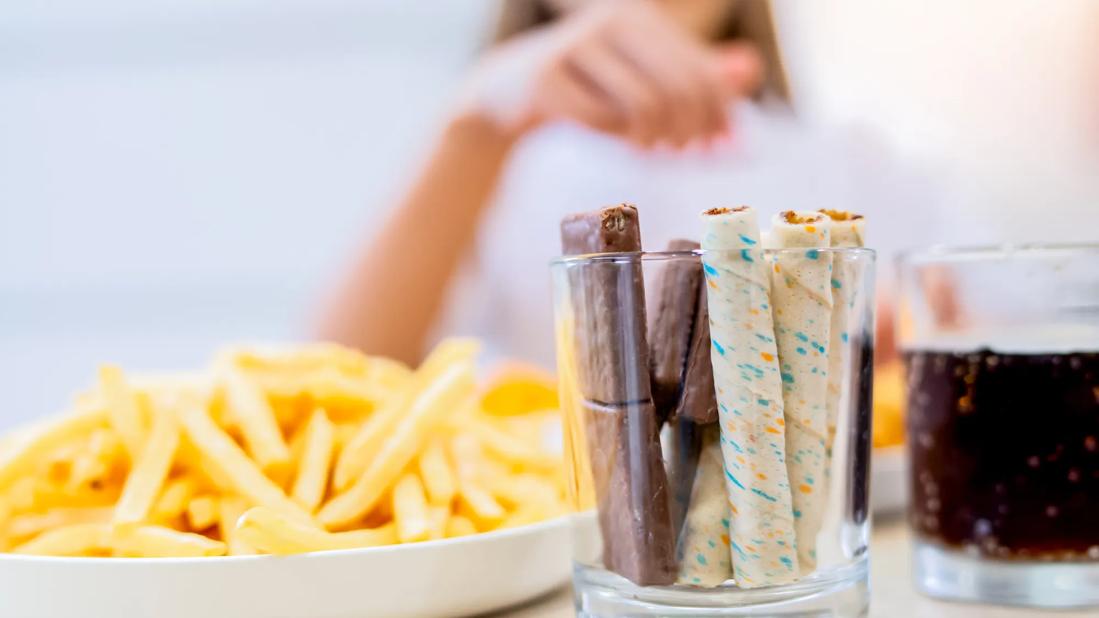
Image content: This image is available to view online.
View image online (https://assets.clevelandclinic.org/transform/570d1720-2667-49cf-b694-2baf35b35f33/snack-cravings-2248486122-2)
Person with salty, sweet and fatty snacks, with french fries, chocolates and soda pop
It’s that time of the month, and you’re feeling snacky. So snacky, you’re fighting the urge to order a meat lover’s pizza … for breakfast. But why? Why does your appetite get dialed up to 11 around “that time of the month”? And why are period cravings so oddly specific?
Advertisement
Cleveland Clinic is a non-profit academic medical center. Advertising on our site helps support our mission. We do not endorse non-Cleveland Clinic products or services. Policy
“Cravings around your period are real — they’re a physiological response to hormonal changes, not something you’re imagining,” says women’s health specialist Lynn Pattimakiel, MD.
Dr. Pattimakiel explains what causes period cravings and how to manage them.
Period cravings occur in response to a series of different changes happening in your body. In the lead up to your period:
All of these changes can make certain types of food more alluring than usual. Another factor? Your body’s preparing for a big job.
“Your resting energy needs increase before your period, so your body naturally looks for more fuel,” Dr. Pattimakiel explains.
All that time spent daydreaming of macaroni and cheese and milkshakes may also serve an evolutionary purpose.
“These cravings may be your body’s way of storing extra energy in case of pregnancy,” she adds. “In other words, these feelings are a part of how we’re biologically wired.”
Period cravings usually make themselves known in the mid to late luteal phase of your menstrual cycle. That’s about five to 10 days before your period begins. During that time, your hormone levels start to shift dramatically. Those changes often cause you to feel hungry, moody and tired — classic premenstrual syndrome (PMS) symptoms.
Advertisement
While it may seem random in the moment, the types of food you want to eat before and during your period are your body’s way of addressing specific physiological changes. Decoding the message behind your comfort food craving can help you make healthy substitutions and avoid unpleasant side effects.
The siren song of chocolate can be hard to resist any day, but it’s extra tempting immediately before or during your period. There’s good reason for that. Chocolate contains sugar, carbs and small amounts of craveable compounds like:
Taken together, these components can make chocolate a go-to snack to boost energy, alertness and mood — all of which can be in short supply around your period.
“Sweets, chocolate included, tend to top the list of period cravings because of how they affect your brain’s reward system and serotonin levels,” says Dr. Pattimakiel.
Serotonin, often called the “feel-good” neurotransmitter or one of the “happy hormones,” tends to dip during the luteal phase of your menstrual cycle (five to 10 days before your period). Sugar can perk you right up, boosting your mood, blood sugar and energy levels.
At least, that’s what it does in the short term. But you pay for it with a crash later.
If you’ve got a hankering for bread, pasta or baked goods before or during your period, your body’s probably trying to refuel fast.
Dr. Pattimakiel notes that menstruation is an energy-intensive process: Your muscles are contracting, hormones are shifting and you’re losing (or about to lose) blood. That means your body has to work harder to function normally. Refined carbs are a reasonable need in that situation.
But that doesn’t make that second serving of spaghetti a good idea. Carbo-loading can spike and crash your blood sugar, leaving you even more fatigued than you were before.
Some people crave savory snack foods, like chips or fries, around their period, potentially in response to bloating or fluid shifts that come with PMS. But while it might taste great, Dr. Pattimakiel says all that extra sodium can make water retention worse.
If you find yourself wanting fatty foods before and during your period — like cheese, fried food or red meat — that could be your body’s way of asking for more protein.
Getting enough protein can be a difference maker when it comes to PMS symptoms.
“It can help you feel more satisfied and reduce the urge to snack on other, less healthy options,” Dr. Pattimakiel reports. But not all sources are created equal. Whenever possible, opt for plant-based or lean proteins, like grilled chicken or lentils.
Advertisement
Here’s the thing about eating to satisfy a period craving: Many of the foods you get fixated on can intensify the cramping, bloating and mood swings that come with menstruation.
“Can you give in to your cravings? Sure. But the foods we crave — like fried foods, sugar and refined carbs — are often inflammatory and can worsen PMS symptoms,” Dr. Pattimakiel says. “Enjoying a treat now and then is fine, but consistently eating these foods might leave you feeling worse physically.”
But the news isn’t all bad. Making strategic food choices can help you kick cravings to the curb. It may even help ease PMS symptoms.
Dr. Pattimakiel suggests that you:
Advertisement
Period cravings are totally normal. But if yours feel overwhelming or make it difficult to function, Dr. Pattimakiel urges you to talk to a provider. You may be dealing with premenstrual dysphoric disorder (PMDD) or a medical condition that affects your hormones, like hyperthyroidism or polyendocrine metabolic ovarian syndrome (PMOS).
What if it’s just really severe PMS? Well, there’s help for that, too.
“Cognitive behavioral therapy (CBT) has been shown to help with both physical and psychological symptoms of PMS, including cravings,” Dr. Pattimakiel says.
“Research suggests selective serotonin reuptake inhibitors (SSRIs) may help reduce cravings and other PMS symptoms, too. They’re not for everybody, but if you need extra help, it's nice to know there are options available.”
Advertisement

Sign up for our Health Essentials emails for expert guidance on nutrition, fitness, sleep, skin care and more.
Learn more about our editorial process.
Advertisement

Your period may occasionally line up with someone else’s, but science suggests coincidence is responsible — not a mysterious biological connection
Eating and exercising according to your cycle may reduce PMS and period symptoms
These substitutes for tampons and pads can be a great option for lower cost, lower carbon footprint and longer wear times
Pads are a low-effort option for period management and come in different absorbencies, materials and shapes
Fluctuating hormones, water retention and a change in habits can cause temporary weight gain
Stress can cause light, late or nonexistent periods — which may eventually create a hormonal imbalance
Your period typically gets darker as the days go on, starting out pink and changing to red, dark red and even brown
Foods with iron, antioxidants and fiber can help you feel your best

Hormonal changes, a slower metabolism and muscle loss can make weight gain more common around menopause — healthy habits can help you manage it
Life-threatening complications include sepsis, stroke, pneumonia and more
Fruity-smelling breath can happen when your body burns fat for energy, and in some cases, can signal a medical emergency
 Search










