Locations:





They have similar effects, but differ in how they’re made, used and understood
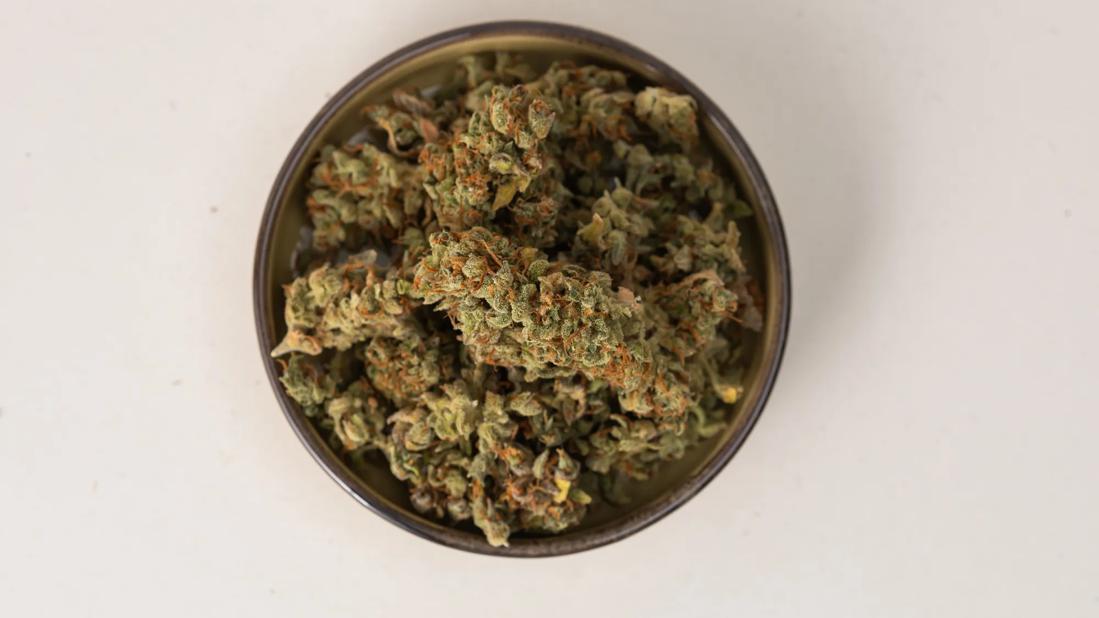
Image content: This image is available to view online.
View image online (https://assets.clevelandclinic.org/transform/d9d8c754-0612-459d-86fd-672a673a238a/cannabis-2190707680)
Bowl of medical cannabis
You may have seen delta-8 THC advertised as “THC lite” or “diet weed.” But is a milder “high” the only thing that sets it apart from its relative, delta-9 THC?
Advertisement
Cleveland Clinic is a non-profit academic medical center. Advertising on our site helps support our mission. We do not endorse non-Cleveland Clinic products or services. Policy
Psychiatrist and addiction specialist David Streem, MD, explains how these psychoactive cannabinoid cousins compare and why it’s important to approach both with caution.
To understand how delta-8 and delta-9 compare, it helps to start with what they have in common.
Both are intoxicating cannabinoids found in the cannabis sativa plant, and they have nearly identical chemical structures.
“They both bind to receptors in your endocannabinoid system, which controls functions like mood and sleep,” explains Dr. Streem.
The differences between the two begin with their dose and effects. The cannabis plant naturally contains much higher levels of delta-9 THC than delta-8 THC.
“Research shows that delta-8 THC binds to receptors less intensely than delta-9 THC, which results in a milder effect,” he adds.
For consumers, these compounds have much bigger differences due to how they’re made and regulated. To see how these distinctions play out, let’s take a closer look at each compound.
Delta-9 THC (tetrahydrocannabinol) is what most people think of when they hear “THC.” It’s the main compound in marijuana that produces a “high.”
It’s most often consumed in its natural form via marijuana, though synthetic versions also exist.
Advertisement
Researchers have studied delta-9 for decades, and it has long been a controlled substance at the federal level in the U.S. State laws vary.
Delta-8 THC is another intoxicating cannabinoid. But unlike delta-9, it’s most often sold as a manufactured product made from hemp-derived CBD (cannabidiol) and other chemicals.
It gained popularity in the U.S. after the 2018 Farm Bill created a loophole that made it legal to sell. Before that, it was relatively unknown, so there’s far less research on it.
The short-term effects of delta-9 THC may include:
In small, controlled studies, delta-8 has shown the same effects — just less intense. But the delta-8 products sold in stores don’t always reflect the precise conditions of those studies.
“The potency of delta-8 THC in retail products varies drastically,” stresses Dr. Streem.
Both delta-8 and delta-9 THC can affect your brain and body — and both come with real risks. But those risks can show up in different ways depending on how each compound is made and used.
Because both are intoxicating, they can:
In case you were wondering, they can both show up on drug tests, too.
Researchers have studied delta-9 THC more extensively, and its risks are better understood. “Regular use — especially at a young age — has been linked to a higher risk of addiction, as well as potential negative effects on brain development and mental health,” reports Dr. Streem.
Delta-8 THC is often advertised as milder, but that doesn’t necessarily make it safer. In fact, experts are often more concerned about how delta-8 products are made and sold than about the compound itself.
Manufactured delta-8 products can:
The uncertainty around delta-8 is a risk in itself, notes Dr. Streem.
“Because there’s far less research on delta-8, many of its short- and long-term effects aren’t fully understood.”
Delta-8 and delta-9 THC may seem similar, but how they’re made, consumed and studied makes a real difference. Both carry risks — so it’s important to stay informed and talk with a healthcare provider about safer options.
Advertisement
Advertisement

Sign up for our Health Essentials emails for expert guidance on nutrition, fitness, sleep, skin care and more.
Learn more about our editorial process.
Advertisement

This intoxicating cannabinoid may be marketed as mild, but it can still carry risks

Synthetic weed may seem like a safer alternative to natural marijuana, but it can have serious — and sometimes life-threatening — effects
Sellers call it ‘light weed,’ but the health effects and safety are largely unknown
Because of a lack of research and possible side effects, cannabis isn’t recommended to treat mental health disorders

These recently popular drinks claim to relieve anxiety and stress, but more research is needed
Try this slightly sweet seed for hunger-fighting protein and disease-fighting fatty acids
Changing habits takes time and commitment

Studies suggest CBD has wide-ranging benefits, but there’s a catch or two

Hormonal changes, a slower metabolism and muscle loss can make weight gain more common around menopause — healthy habits can help you manage it

Life-threatening complications include sepsis, stroke, pneumonia and more

Fruity-smelling breath can happen when your body burns fat for energy, and in some cases, can signal a medical emergency
 Search










