Locations:





Making lifestyle changes can help reduce your blood pressure, but taking cinnamon supplements probably isn’t one of them
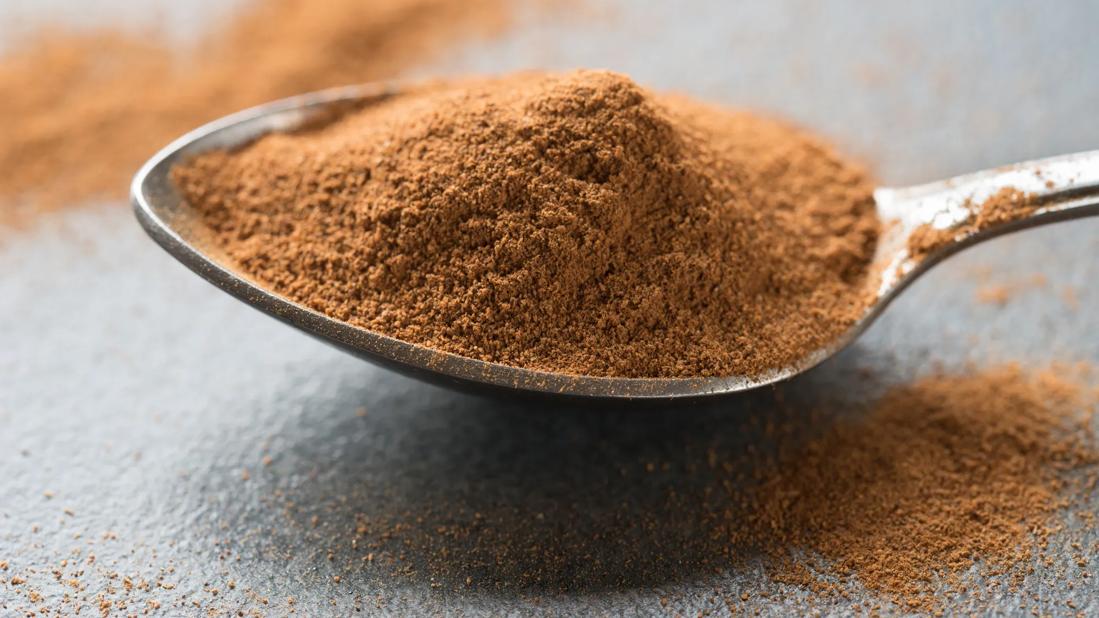
Image content: This image is available to view online.
View image online (https://assets.clevelandclinic.org/transform/1df7ebe7-dab7-4d12-ab0a-87dad1372049/cinnamon-1135156228)
Spoonful of cinnamon
It’s a delicious and nutritious part of a balanced diet. But does cinnamon lower blood pressure? Cardiologist Luke Laffin, MD, explains why he (and many other experts) isn’t convinced.
Advertisement
Cleveland Clinic is a non-profit academic medical center. Advertising on our site helps support our mission. We do not endorse non-Cleveland Clinic products or services. Policy
There’s little evidence that cinnamon reduces blood pressure. And the evidence that does exist isn’t strong enough to say it prevents or treats high blood pressure (hypertension).
“These are not large studies — and they’re not particularly well-done studies either,” Dr. Laffin reports. “Cinnamon might lower blood pressure a little bit in high doses, but relying on cinnamon alone for blood pressure management is unsafe and ineffective.”
So, why the hype?
People who argue in favor of cinnamon supplements usually do so because cinnamaldehyde — a bioactive compound found in cinnamon — is thought to be a powerful antioxidant.
The theory is pretty simple: The antioxidants in cinnamon reduce oxidative stress and inflammation at the cellular level. The result: Fewer chronic illnesses.
And we’re not just talking about hypertension. Cinnamon enthusiasts also see the spice as potentially staving off other conditions caused (in part) by chronic inflammation, like:
But the evidence that cinnamon can play a role in preventing or treating any of these conditions is limited at best. That’s because, while we know that antioxidants affect inflammation, we don’t actually know how. And we really don’t know if or how cinnamon fits into that picture.
Advertisement
It’s an area for future research, for sure. But for now, that’s about it.
“Even if cinnamon did provide a small blood pressure benefit, it’s absolutely not a substitute for prescription blood pressure medicine if those are recommended by your doctor,” Dr. Laffin stresses.
Most experts recommend skipping cinnamon supplements for heart health because the risks that come with taking them outweigh the possible benefits.
The U.S. Food and Drug Administration (FDA) doesn’t regulate supplements. So, you never really know what you’re getting.
“The supplements can have very high doses of cinnamon or none at all. I also worry about additives that aren’t reported,” Dr. Laffin notes. “Supplements don’t necessarily have the same level of quality control, so contaminants, allergens and other things can slip by.”
Cinnamon may not be the blood pressure buster of your dreams, but that doesn’t mean it’s off limits.
“I don’t think you should avoid cinnamon as you might other things, like sodium,” Dr. Laffin clarifies. “Just don’t rely on it to bring down your blood pressure.”
Focus instead on building healthy habits.
“Lowering your blood pressure is about 70% lifestyle change and 30% medications. Cinnamon doesn’t fit in either category,” he adds.
In addition to taking any blood pressure medicine you’re prescribed, Dr. Laffin advises that you:
When it comes to heart health, small steps can have a big impact. And research suggests losing 5% of your body weight may bring your blood pressure down. Another study found that maintaining a consistent bedtime for just two weeks may be helpful. These changes may not be as easy as dusting cinnamon on your oatmeal, but the results are well worth the effort.
Advertisement

Sign up for our Health Essentials emails for expert guidance on nutrition, fitness, sleep, skin care and more.
Learn more about our editorial process.
Advertisement

The common household medication isn’t a solution for hypertension — and regular use comes with risks

Certain supplements, like licorice root and St. John’s wort, can raise your blood pressure or negatively interact with medication

Foods high in potassium, calcium and vitamins C and E can help lower your blood pressure

Hypertension strains your heart and blood vessels, causing damage that can contribute to heart attacks

Daily stressors can increase BP in the moment, as well as contribute to habits that can feed long-term hypertension
Moderation is best when consuming caffeinated drinks to avoid unhealthy spikes in BP
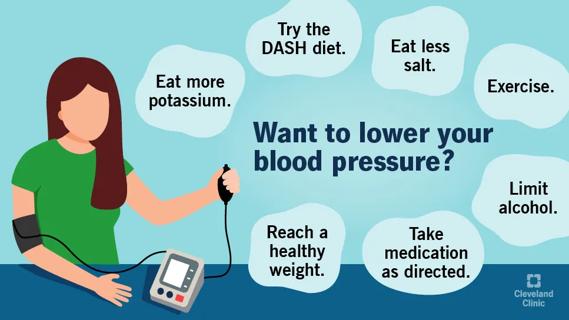
Medication, exercise and diet changes can all help

While not magic elixirs, some drinks like beet juice and skim milk may help keep numbers down

Managing your weight through physical activity may lower your chances of getting this common cancer

It typically starts in October and winds down in early spring, with cases at their highest in the middle of winter

Anxiety disorders, health conditions and past trauma can make driving nerve-wracking — help is available
 Search










