Locations:





Drinking water doesn’t lower blood sugar, but hydration does support diabetes management

Image content: This image is available to view online.
View image online (https://assets.clevelandclinic.org/transform/f52f4ede-c3ef-4cf7-8b02-059beceba5d9/hydration-water-2207787365)
Older person drinking a glass of water
If you live with Type 2 diabetes, chances are, you’ve heard of supposed quick fixes to lower your blood sugar level, like drinking water.
Advertisement
Cleveland Clinic is a non-profit academic medical center. Advertising on our site helps support our mission. We do not endorse non-Cleveland Clinic products or services. Policy
It sounds too good to be true. And it is.
“Drinking water doesn’t directly lower your blood sugar,” says diabetes educator and registered nurse Megan Asterino-McGeean, BSN, RN, CDCES. “But staying hydrated can help prevent dehydration from making high blood sugar worse.”
Asterino-McGeean explains the benefits of hydration — and the risks of dehydration — when you’re living with this chronic disease.
Drinking water won’t bring down your blood sugar (glucose). But that doesn’t mean it isn’t important.
In addition to general health benefits, being well-watered helps you stay on top of diabetes by:
Advertisement
There’s another reason hydration matters: Dehydration and high blood glucose often go hand in hand.
Dehydration and increased blood sugar can feed off of each other, each making the other worse.
“Dehydration can raise your blood sugar level because your blood is more concentrated,” says Asterino-McGeean.
To understand why this happens, it helps to know that blood sugar is measured in milligrams per deciliter (mg/dL). It’s a ratio of sugar (measured in mg) to blood or fluid (measured in dL). When there’s less water in your blood than usual, sugar takes up more space — the concentration is higher.
But drinking extra water won’t “water down” excess sugar in your blood. That’s because your body carefully balances fluid levels. If you drink more water than you need, your body simply gets rid of it through your pee.
While a lack of fluids can directly bump up your blood sugar level, high blood glucose has more of a downstream effect on dehydration.
“When you have high blood sugar, your kidneys work overtime to flush out extra sugar through your pee,” explains Asterino-McGeean. “If you’re not replenishing what you lose, high blood sugar can increase your risk of dehydration.”
In the short term, severe dehydration combined with high blood sugar levels can increase your risk of dangerous complications. These include hyperosmolar hyperglycemic state (HHS) and diabetes-related ketoacidosis (DKA).
“You’re especially at risk for HHS or DKA when you’re sick,” she warns. “That’s because your body is already under a lot of stress.”
Over time, the cycle of elevated blood sugar and dehydration can wear down your body as well, causing or worsening nerve and kidney damage.
The good news? Keeping up with your fluid intake and diabetes treatment plan can help break that cycle.
So, how much water do you actually need? There isn’t a one-size-fits-all answer.
“Each person’s needs are unique,” says Asterino-McGeean. “It’s best to discuss fluid intake goals and restrictions with your healthcare team.”
That’s because your hydration needs can change based on your:
But she does recommend water as your go-to fluid source. Other hydration helpers for people with diabetes include:
Drinking enough water is one of the simplest ways to support your overall health when you have diabetes. But it isn’t a cure.
“Water isn’t a treatment for diabetes,” reiterates Asterino-McGeean. “Instead, think of it as a supporting actor. Your medications and management plan do the heavy lifting, while staying hydrated helps keep your overall health in check.”
Advertisement
Advertisement

Sign up for our Health Essentials emails for expert guidance on nutrition, fitness, sleep, skin care and more.
Learn more about our editorial process.
Advertisement

If you have diabetes, working out soon after eating can help lower your blood sugar

Focus on eating more whole grains, lean proteins, fruits and vegetables, and fewer processed foods and saturated fats

This approach is all about eating foods that don’t spike your blood sugar quickly
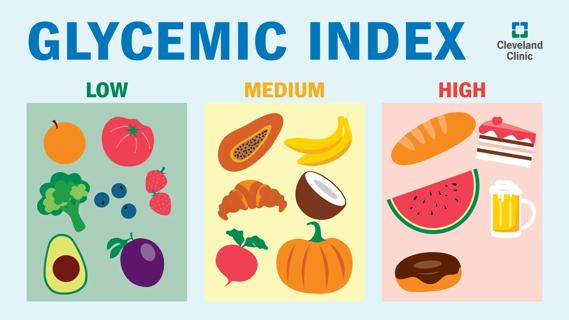
You can use this index to help identify which foods can cause wild swings in your blood sugar

Diet adjustments and exercise can help, as can asking your doctor about medication changes

Exercising more, eating healthier and managing weight can significantly improve insulin sensitivity

These simple sugars give us energy, but they can also raise blood sugar levels

Even a short walk can make a positive difference

Managing your weight through physical activity may lower your chances of getting this common cancer

It typically starts in October and winds down in early spring, with cases at their highest in the middle of winter

Anxiety disorders, health conditions and past trauma can make driving nerve-wracking — help is available
 Search