Locations:





This hormone may affect your weight, but it doesn’t usually act alone
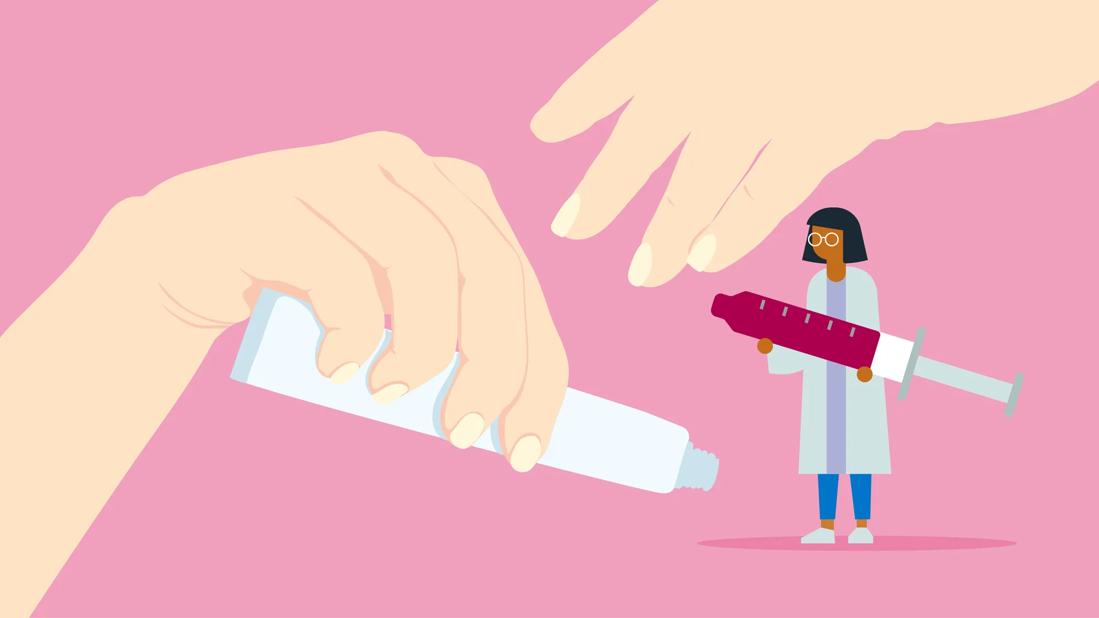
Image content: This image is available to view online.
View image online (https://assets.clevelandclinic.org/transform/c6129842-d12c-4e4e-8bca-ca30ac14c6d6/estrogen-doctor-1195893402)
Female hands holding a tube of cream, with a healthcare provider holding an oversized syringe
The number on the scale keeps shifting — and you can’t figure out why.
Advertisement
Cleveland Clinic is a non-profit academic medical center. Advertising on our site helps support our mission. We do not endorse non-Cleveland Clinic products or services. Policy
You’ve heard hormones like estrogen can sometimes pull the strings. That can feel especially true if you have a hormonal imbalance, take hormone-related medications or are nearing menopause.
But does estrogen cause weight gain on its own?
The short answer? No. But it’s definitely a supporting character in the story.
“Estrogen by itself has no direct impact,” says gynecologist Claudia Mason, MD. “The bigger story is how changing estrogen levels can influence the systems in your body that help regulate it.”
It’s important to understand that estrogen isn’t just a “women’s hormone.” Everyone has estrogen, though levels and effects differ from person to person.
As you move through adulthood and midlife, your body may burn calories, store fat and regulate hunger differently. These changes may be more noticeable during hormonal transitions, including the years leading up to menopause, but they can also start well before then.
For some people, changes in estrogen levels can affect where their body stores fat. In men, these shifts may contribute to enlarged breast tissue, known as gynecomastia. For women, it often shows up in the belly.
“These changes can be easy to miss because they don’t usually happen all at once,” Dr. Mason says, noting that many adults gain about 1 to 2 pounds a year during midlife, which she defines as ages 30 to 60.
Advertisement
“You may still feel like yourself and not notice them until your weight, shape or clothes start to feel different,” she says.
While that may not seem significant, small gains can add up over time.
Whether estrogen levels rise, fall or fluctuate, weight changes usually happen because of several factors working together.
When your estrogen levels change, your body may not use energy as efficiently as it used to. That can slow your metabolism, so you burn fewer calories when you’re not moving.
Combine this slowdown with dropping estrogen, and it can be easier to gain weight, even if eating and activity habits stay the same.
As estrogen levels change, you may notice more fat around your waist and belly. Fat that was once stored in your hips and thighs may gradually shift toward your midsection.
This means your favorite clothes may start fitting differently, even if the number on the scale hasn’t changed much.
“You’re not really asking why you gained weight as much as why your weight is suddenly in a different place,” Dr. Mason clarifies. “That’s often the big change.”
Estrogen also plays a role in how your body manages blood sugar. When estrogen levels change, your body might not respond to insulin as well.
Over time, this can play a role in how your body uses and stores energy — and may contribute to weight changes.
Changes in hormones like estrogen can affect hunger, cravings or how satisfied you feel after eating. Estrogen communicates with the hypothalamus, the part of your brain that helps control when you feel hungry.
When estrogen levels drop, your body may make more ghrelin, a hormone that makes you feel hungry. It may also make less leptin, a hormone that helps you feel full. This can leave you feeling hungrier or less satisfied after eating.
Less estrogen can also affect brain chemicals that influence cravings. This can make carb-heavy comfort foods, like sweets, chips, bread and pasta, feel more tempting.
But estrogen isn’t the only reason. Sleep, stress and your overall health can also make you feel hungry all the time and crave comfort foods.
Not every increase on the scale means you’ve gained fat. Changes in your estrogen levels can affect how your body holds onto fluid, causing bloating, puffiness or fluctuating numbers on the scale.
You may also retain fluid after eating a lot of salty food, when you’re due for your period or during other hormonal shifts. So, if the scale jumps quickly, it may reflect temporary fluid changes, not lasting weight gain.
Advertisement
When it comes to tracking your weight, Dr. Mason recommends paying attention to trends rather than day-to-day fluctuations.
“I usually recommend you get on the scale every day with the understanding that plus or minus two pounds is probably going to be pretty normal,” she says.
If the number keeps climbing over time, that may be worth scheduling a visit with a healthcare provider.
Decreasing estrogen levels can affect how your body maintains muscle. As you age, you naturally start to lose muscle over time — sometimes as early as your 30s.
This kind of muscle loss is a normal part of aging, but changing estrogen levels can add to it.
Muscle helps your body burn calories, so when you start losing it, you may gain fat or notice changes in your body shape. This doesn’t mean your body is doing anything wrong. It just means many weight changes come from several things happening at once.
If you notice weight changes while taking hormone replacement therapy (HRT), estrogen may be part of it, but it usually isn’t the only factor.
Estrogen used in HRT doesn’t typically cause fat gain on its own. Weight changes may be more related to aging, a slower metabolism or fluid retention due to other hormonal changes.
Advertisement
HRT helps replace the hormones that your body makes less of during menopause, including estrogen. It’s mainly used to treat frustrating symptoms, like hot flashes, night sweats, vaginal dryness and sleep changes, not to manage weight.
If your weight changes after starting HRT, your healthcare provider can help you understand what may be causing it.
While you can’t control every hormone or body change, you can build habits that help manage their effects over time. It’s never too soon to:
Taking steps like these — and understanding how your body changes over time — can help you focus on the bigger picture. Estrogen may be part of it, but it’s not the whole story.
Advertisement

Sign up for our Health Essentials emails for expert guidance on nutrition, fitness, sleep, skin care and more.
Learn more about our editorial process.
Advertisement

The plant-based compound may boost brain health, protect bones and ease menopause symptoms

Your natural estrogen levels support a healthy heart by improving your cholesterol, increasing blood flow and reducing free radicals

Decreasing estrogen levels can cause brain fog, but symptoms of dementia are different and more pronounced

Estrogen and progesterone changes throughout the month — and throughout your life — can make you more prone to dental health concerns
This experimental peptide isn’t approved to treat or prevent any health condition

This modern twist on a traditional sauna may help support heart health, soothe sore muscles, manage pain and more
Abruptly ending treatment often comes with weight regain and other issues

Managing your weight through physical activity may lower your chances of getting this common cancer
Managing your weight through physical activity may lower your chances of getting this common cancer

It typically starts in October and winds down in early spring, with cases at their highest in the middle of winter

Anxiety disorders, health conditions and past trauma can make driving nerve-wracking — help is available
 Search










