Locations:





If you’re dealing with intense itching and red or swollen skin, it might be eczema
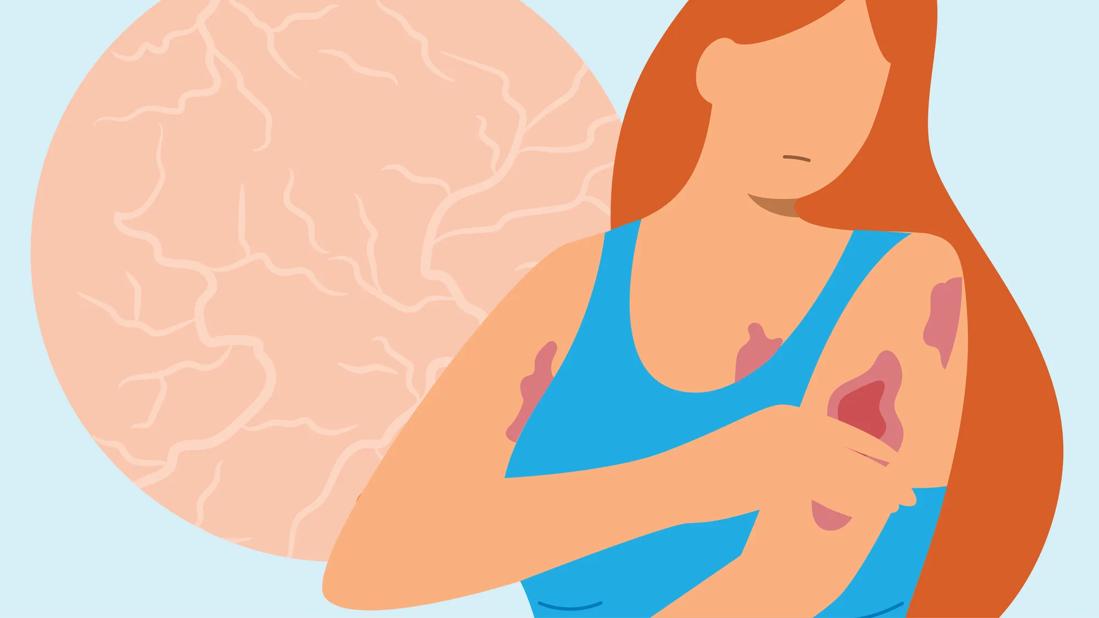
Image content: This image is available to view online.
View image online (https://assets.clevelandclinic.org/transform/f0875ebe-069f-4c70-b358-0336cf9a8fc7/person-eczema-dry-skin-2254702858)
Dry skin patch in background and person with eczema in foreground
Sometimes, dry, itchy skin just needs a little more moisture to regain its strength. But when the irritation keeps coming back — or starts to burn, swell or become intensely itchy — you may wonder if it could be something else, like eczema.
Advertisement
Cleveland Clinic is a non-profit academic medical center. Advertising on our site helps support our mission. We do not endorse non-Cleveland Clinic products or services. Policy
Dermatology resident Angela Wei, MD, explains how to tell the difference between these two conditions, and which treatments may help.
Dry skin is usually a temporary condition that occurs when your skin doesn’t have enough moisture, like in the middle of winter.
Eczema (atopic dermatitis) is also common. But it’s a chronic inflammatory condition involving a weakened skin barrier and activation of the immune system.
There’s some overlap between the two, but they’re also very different. Let’s break down some of those differences.
Dry skin is a common condition that causes:
Eczema, on the other hand, tends to have more severe symptoms like:
Timing is a key difference, too. Eczema usually starts in childhood, but it can develop at any point in your life. It also tends to flare up in response to different triggers over time.
“The biggest complaint people have with eczema is itchiness,” shares Dr. Wei. “It can be intense and can interfere with daily activities. The itching also tends to get worse at night and can disrupt your ability to sleep, too.”
Advertisement
A lack of moisture causes dry skin. As you get older, your skin tends to dry out naturally. But you can also get dry skin from:
Some skin conditions, like psoriasis and eczema, can also lead to dry skin when they cause lasting inflammation and skin damage.
Eczema happens when your skin’s natural defenses break down and your immune system overreacts. Genetics plays a role in that.
“If you have a family history of eczema, asthma or environmental allergies, you’re at higher risk for eczema,” explains Dr. Wei.
Eczema flares can also be triggered by:
“Dry skin can lead to eczema flares or make existing symptoms worse for people prone to eczema,” warns Dr. Wei. “This is because dry skin causes cracks in your skin barrier, which makes it easier for irritants, allergens and germs to penetrate the skin and trigger inflammation.”
But having dry skin doesn’t mean you’ll get eczema. While we don’t know exactly why some people get eczema, it’s likely due to many factors, including:
Dry skin can occur anywhere on your body, but it’s most common on areas exposed to the elements, like your:
Eczema can also occur anywhere on your body, but common areas in adults include:
If you have dry, cracked skin, try these solutions:
As these lifestyle changes can help keep your skin healthy and strong, they can help soothe eczema flares, too. More specific treatments for eczema include:
“Taking care of your physical and mental health also goes a long way to reducing the likelihood of a future flare,” says Dr. Wei.
Advertisement
Both dry skin and eczema can be uncomfortable and frustrating. Plus, it’s not always easy to tell what type of skin condition you’re dealing with.
Dr. Wei recommends making an appointment if:
“If symptoms are affecting your quality of life and over-the-counter options aren’t helping, make an appointment with a dermatologist,” advises Dr. Wei. “We can help you find relief and figure out if it’s eczema or something else.”
Advertisement

Sign up for our Health Essentials emails for expert guidance on nutrition, fitness, sleep, skin care and more.
Learn more about our editorial process.
Advertisement
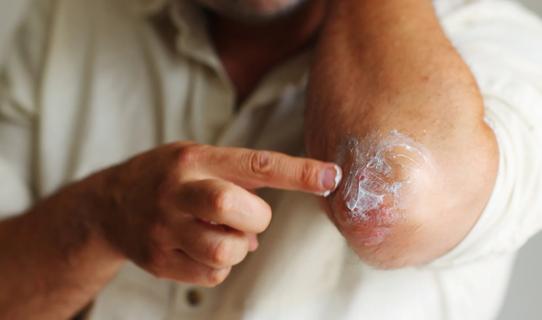
Look for emollients, humectants and occlusives to hydrate, soothe and protect your skin
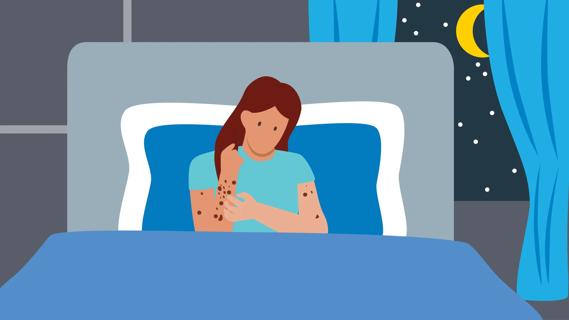
Address your nighttime itching with moisturizers, topical anti-inflammatories, and changes to your bedtime routine and environment
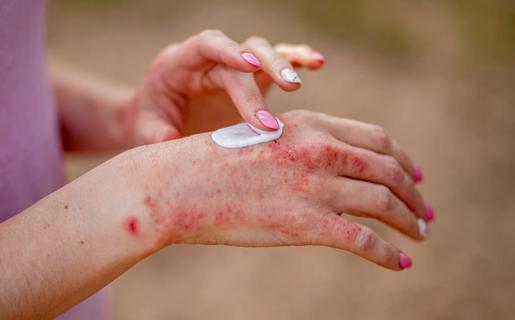
Eczema triggers are different for everyone, but there are some common ways to manage flare-ups, like using a humidifier and fragrance-free creams

There’s not one specific cure-all diet for eczema, but it helps to keep track of what you eat and when you experience symptoms
Both inflammatory conditions have varying triggers and symptoms
Colloidal oatmeal, petroleum jelly and other around-the-home products can help provide needed relief
Your body’s natural response to stress can lead to painful skin irritation

Hot or cold, your eczema can have flare-ups during multiple times of the year

Managing your weight through physical activity may lower your chances of getting this common cancer

It typically starts in October and winds down in early spring, with cases at their highest in the middle of winter

Anxiety disorders, health conditions and past trauma can make driving nerve-wracking — help is available
 Search










