Locations:





 Search
A Q&A to prep for your fasting blood test
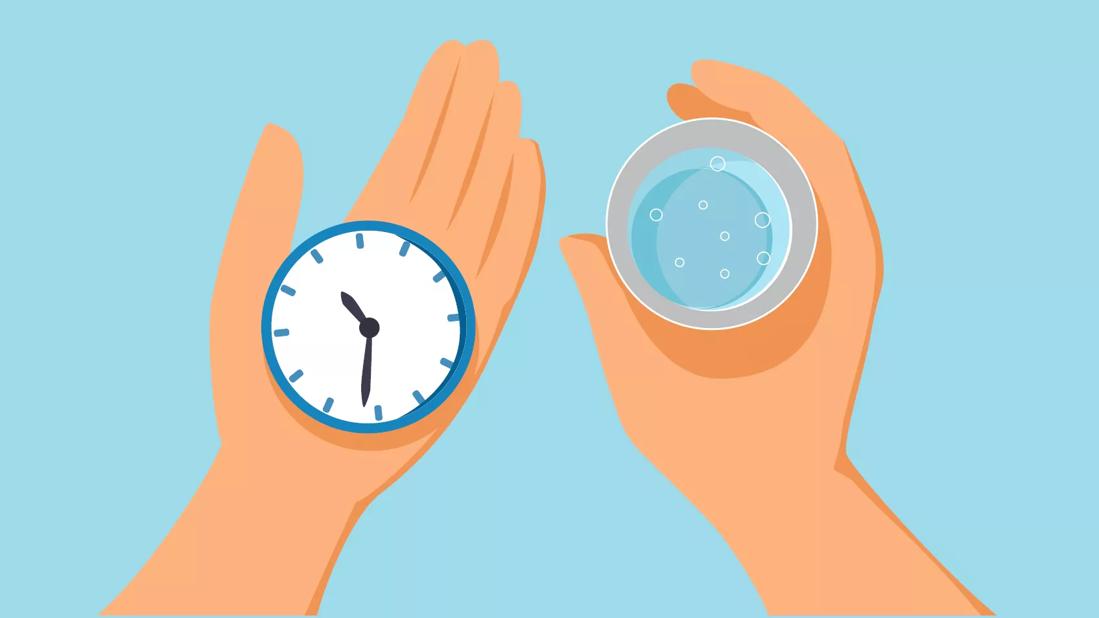
So, your healthcare provider has asked you to fast before your blood test. Fasting means not eating and drinking for a period of time. You often need to do this before bloodwork. This is because what you eat and drink ends up in your bloodstream and can skew your results.
Advertisement
Cleveland Clinic is a non-profit academic medical center. Advertising on our site helps support our mission. We do not endorse non-Cleveland Clinic products or services. Policy
But can you drink black coffee when fasting for bloodwork? How about taking your medications? Family medicine specialist Timothy Tramontana, MD, MS, answers your frequently asked questions.
A: Typically, you should fast before bloodwork anywhere between 10 and 12 hours. Usually, people choose to do blood tests first thing in the morning. This way, you can fast overnight, when you generally don’t eat anyway.
Blood tests are a quick, effective way for doctors to check your health and to see if certain treatments are working. Blood tests you may need to fast for include:
A: Yes. You can drink as much water as you want, but it should be plain. Avoid lemon-flavored and carbonated waters, as well as teas until after your test.
A: Don’t drink anything but water. Coffee contains caffeine. It’s also a diuretic, which removes water from your body. Many people think coffee counts toward your fluid requirements. However, it makes you urinate more, which can affect some of your lab results. So, get your blood test done, then get your cup of coffee!
Advertisement
A: You can take over-the-counter and prescription medications unless your doctor advises you otherwise. On that note, it’s definitely a good idea to tell your doctor about all medications and supplements you’re taking to avoid something potentially skewing lab results.
There’s no indication that daily medications — such as blood thinners and blood pressure meds — will cause any problems with fasting bloodwork, so definitely continue taking them unless told otherwise. And if you have a headache, taking an ibuprofen or another over-the-counter pain reliever shouldn’t cause any issues.
A: Let your doctor know so you don’t end up doing a test unnecessarily. If you’ve already gone for the test without fasting, and the results come back normal, then you’re most likely OK. But if results come back abnormal, that may mean you have to redo the bloodwork while fasting.
A: Call or send a message to your primary care team. Someone should be able to field your questions so you can feel as prepared as possible.
Advertisement
Learn more about our editorial process.
Advertisement
The Galleri test can detect more than 50 kinds of cancer
Basic metabolic panel can point to diabetes, heart or kidney troubles

They can feel similar, but the differences matter — especially if you’re at higher risk for complications
Understanding how your health information is recorded can help you take charge of your care

Yes, but symptoms can be easy to miss

Wait a few hours, then start with water or ice chips, graduating to clear liquids and then, soft, bland foods
It’s a great disinfectant for around your home, but not for your skin
If the area is bleeding a lot or the wound is near your face or genitals, you likely need a specialist’s care
Wearing a scarf, adjusting your outdoor activities and following your asthma treatment plan can help limit breathing problems
Your diet in the weeks, days and hours ahead of your race can power you to the finish line
When someone guilt trips you, they’re using emotionally manipulative behavior to try to get you to act a certain way











