Locations:





These wearable devices can help you understand your body and stay active — but how you use them matters most
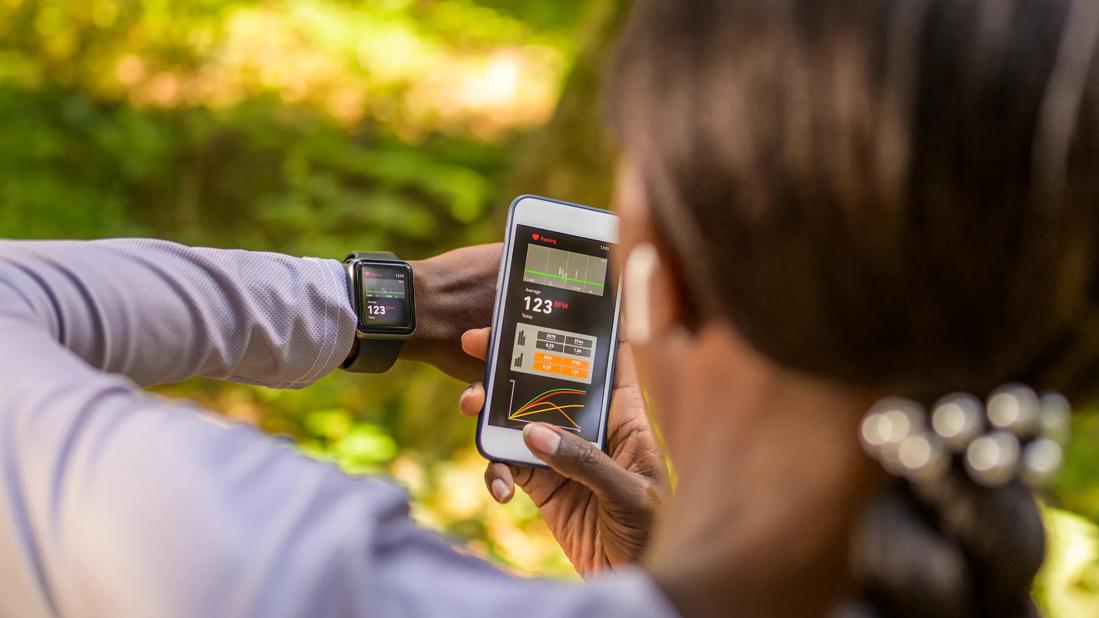
Image content: This image is available to view online.
View image online (https://assets.clevelandclinic.org/transform/fe8fc3ac-c229-40cc-9044-91baed17de43/fitness-tracker-watch-phone-1291101485)
Person checking their fitness tracker on their phone and smartwatch
Fitness trackers seem to be everywhere — from smartwatches and rings to devices you clip to your clothes. But if you’re not a “gym person,” you might wonder whether they’re worth it.
Advertisement
Cleveland Clinic is a non-profit academic medical center. Advertising on our site helps support our mission. We do not endorse non-Cleveland Clinic products or services. Policy
The short answer? They can be helpful tools for many people, but they’re not magic.
“Fitness trackers give you information about your body and your activity,” says certified personal trainer Curt Fischer, CPT. “What really matters is how you use that information to stay consistent and keep moving.”
Fischer shares advice about what to know when choosing and using a fitness tracker.
Fitness trackers are devices that monitor your physical activity and certain body metrics throughout the day, and even overnight. Depending on your model, they may have features like:
But not every metric is equally reliable.
Some measurements — like heart rate — tend to be fairly accurate as long as you’re wearing the device properly. Others, like body composition estimates, may be less precise.
“A lot of those advanced measurements are more of an estimate,” Fischer notes. “They can be off, so it’s important not to rely on them as exact numbers.”
Fitness trackers aren’t just for athletes or gym regulars. They can offer practical benefits for just about anyone. Let’s take a look at what you can learn about your health by using one regularly.
Advertisement
Perhaps one of the biggest advantages fitness trackers can offer is that they can help you understand your body better.
“You can learn a lot about yourself and your habits,” Fischer says. “Over time, you start to recognize your heart rate, your patterns and how your body responds to activity.”
That awareness can help you make more informed choices about your health and daily habits.
Most trackers are designed to encourage movement, whether that’s through step counts, activity rings or reminders to stand up. Even small nudges from your tracker can help you maintain healthy habits.
Likewise, features like notifications when you reach a certain goal or opportunities to share your activity with friends can help you celebrate a job well done.
Instead of guessing how hard you’re working, a tracker can help you gain insight in real time.
Heart rate monitoring, for example, can help you gauge your exercise intensity. The American Heart Association, among other groups, encourages adults to get at least 150 minutes of moderate intensity exercise per week, or 75 minutes of vigorous exercise.
With a fitness tracker, your heart rate is at your fingertips (or on your wrist, as the case may be). So, you can know if you’re working at the proper intensity.
“If you can see your heart rate during activity, you know whether you’re in that moderate intensity range, where you’re really getting benefits,” Fischer explains.
Some devices include features like fall detection, emergency alerts or GPS tracking. While not always perfect, these tools can offer reassurance. And they can be especially helpful for older adults or people with certain health concerns.
“There are features that can alert others if something happens,” Fischer shares. “That peace of mind can be valuable for a lot of people.”
Seeing your data over time — whether it’s daily activity or heart rate trends — can help you spot improvements.
“If your heart rate comes down over time with the same activity, that’s a sign you’re getting fitter,” Fischer illustrates.
That kind of feedback can reinforce healthy habits and give you a sense of accomplishment.
The market for fitness trackers is huge. Costs vary wildly, as do features. So, choosing the best fitness tracker for your needs can take some research and forethought.
Here are a few things to consider:
Advertisement
Fitness trackers can be useful tools — but they’re just that: tools.
“They don’t improve your health on their own,” Fischer states. “What matters is that you wear them, review your stats and stay active.”
In other words, the best fitness tracker is the one you’ll use (and keep charged). Using it regularly can help you move more, learn more about your body and stick with habits that support your health.
Advertisement

Sign up for our Health Essentials emails for expert guidance on nutrition, fitness, sleep, skin care and more.
Learn more about our editorial process.
Advertisement

That unnerving sense that something terrible is about to happen can be a sign of serious distress — trust your gut

From hydration to meditation, little changes can yield big benefits
Practices range from simple lifestyle changes to extreme experiments — and not all approaches come with the same level of risk

Cold-water immersion offers benefits like sore muscle relief, but the therapy comes with risks, too

The process delivers nutrients quickly and efficiently, but research is limited on many claimed benefits

Hot tub sessions can help relieve stress, soothe sore muscles and improve heart health

Different types of yoga poses, meditation and breathwork may help you feel more emotionally balanced

This phenomenon is when your high expectations can influence how well a medication or procedure works

Hormonal changes, a slower metabolism and muscle loss can make weight gain more common around menopause — healthy habits can help you manage it

Life-threatening complications include sepsis, stroke, pneumonia and more

Fruity-smelling breath can happen when your body burns fat for energy, and in some cases, can signal a medical emergency
 Search










