Locations:





Side effects like nausea and fatigue are common, but there are ways to feel better
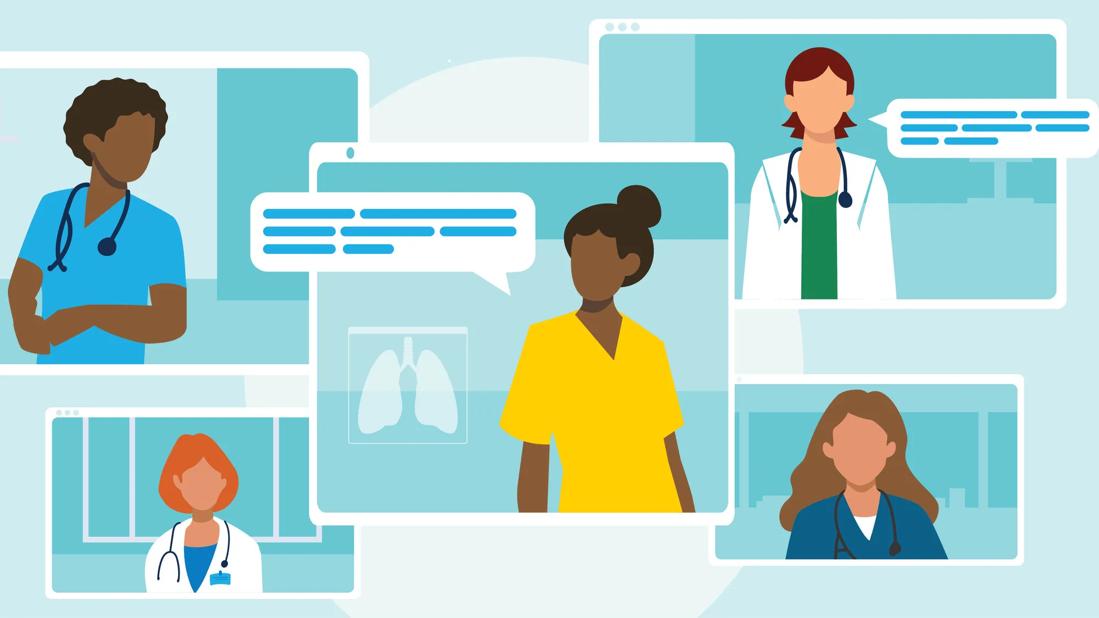
Image content: This image is available to view online.
View image online (https://assets.clevelandclinic.org/transform/8912707d-5ef3-4f50-85fd-64948cb64088/patient-talk-care-team-1348926894)
Patient care team communicating with each other and patient
Living with HER2-mutant non-small cell lung cancer (NSCLC) can take its toll. And while treatments can help slow the spread of the disease, they can come with their own challenges. Feeling sick, tired or unlike yourself can be discouraging.
Advertisement
Cleveland Clinic is a non-profit academic medical center. Advertising on our site helps support our mission. We do not endorse non-Cleveland Clinic products or services. Policy
But there’s hope: Many side effects are manageable.
“Treating HER2-mutant NSCLC isn’t just about living longer, it’s about living well,” says thoracic oncologist Lukas Delasos, DO. “That means managing your symptoms and adjusting your treatment plan when needed so you can maintain a high quality of life.”
Dr. Delasos shares what you may expect from common treatments and how to feel your best while navigating them.
Chemotherapy is often part of first-line treatment for HER2-mutant NSCLC. It works by killing fast-growing cells — including cancer cells — throughout your body.
Chemo has a reputation for coming with a host of side effects. But Dr. Delasos points out that the chemo used for HER2-mutant NSCLC is often less intense than people fear.
“I call it ‘chemo-light,’” he says. “The regimens we use are generally well tolerated. Most patients keep their hair, and we give medications before and after chemo to help manage symptoms.”
Even still, chemo treatments can lead to side effects like:
To help combat those troubles, Dr. Delasos recommends:
Advertisement
Immunotherapy helps your immune system recognize and attack cancer cells. In HER2-mutant NSCLC, it's often used alongside chemotherapy.
“These medications help your body see the cancer and fight back — but they can also cause inflammation in healthy tissues,” Dr. Delasos explains.
In some cases, that can lead to autoimmune-like conditions, where your immune system attacks healthy tissue. Immunotherapy side effects can include:
To keep these side effects manageable, Dr. Delasos urges you to report side effects early so they don’t escalate. Also:
If your cancer progresses after first-line treatment, your care team may recommend Enhertu® — a targeted infusion therapy that delivers chemotherapy directly to HER2-positive cancer cells.
When taking this medication, you may experience side effects like:
“Tell your provider right away about any new breathing problems, cough, fever or chest pain,” Dr. Delasos advises. “We want to catch lung inflammation early so we can treat it.”
This is what may help:
Hernexeos® is another second-line option. It’s a pill that targets HER2 mutations, and many patients tolerate it well. In studies, it’s been shown to have very few side effects, but it may bring on some diarrhea and, occasionally, changes in liver function.
“I’ve had patients on zongertinib with minimal to no side effects — even at higher doses," Dr. Delasos relays. “We monitor labs and symptoms closely, just to be safe.”
If you take this medication:
If you’re experiencing side effects from HER2-mutant NSCLC — even if they seem small — let your care team know.
Advertisement
“We can hold or lower a dose, change medications or add support medications to help with side effects,” Dr. Delasos encourages. “You don’t need to suffer through treatment.”
Your treatment plan isn’t set in stone. And the more your providers know about how you’re feeling, the more they can help you feel better, faster.
Advertisement

Sign up for our Health Essentials emails for expert guidance on nutrition, fitness, sleep, skin care and more.
Learn more about our editorial process.
Advertisement

Lung cancer and treatment can take its toll, but support is available to help you live well

Getting your treatment plan just right can take some fine-tuning, but the appointments will taper off

Knowing the signs (like a cough that won’t quit) may help some people detect lung cancer early

Your care team can determine if you’re a good match for this newer type of targeted treatment

Breast cancer treatments can lower estrogen, which has a ripple effect on your bones
Follow a balanced diet, get lots of rest, stay hydrated, tend to your mental health — and don’t skip your appointments
This breathing technique can help protect your heart during treatment for certain types of cancer

Vaping exposes you to thousands of chemicals, including many that are known to cause cancer and lung disease

Managing your weight through physical activity may lower your chances of getting this common cancer

It typically starts in October and winds down in early spring, with cases at their highest in the middle of winter

Anxiety disorders, health conditions and past trauma can make driving nerve-wracking — help is available
 Search










