Locations:





Lung cancer and treatment can take its toll, but support is available to help you live well

Image content: This image is available to view online.
View image online (https://assets.clevelandclinic.org/transform/306ab84c-a502-41f6-a933-ac520b34ee4a/Time-with-family-1445045964)
Caregiver sitting on floor next to couch with teen child sitting on it, talking
A diagnosis of HER2-mutant non-small cell lung cancer (NSCLC) can feel like the ground has shifted beneath you. It’s normal to worry about what it means for your future. But living with lung cancer means just that — living. Not just getting by.
Advertisement
Cleveland Clinic is a non-profit academic medical center. Advertising on our site helps support our mission. We do not endorse non-Cleveland Clinic products or services. Policy
“It’s a life-changing diagnosis,” acknowledges thoracic oncologist Lukas Delasos, DO. “But I always tell my patients that having NSCLC doesn’t mean your life stops. I want them to keep doing the things that make life worth living.”
Dr. Delasos shares advice to help you stay active, be supported and stay hopeful while managing HER2-mutant NSCLC.
What brings you joy? Maybe it’s biking, cooking or spending time with family. Whatever makes your life full, keep it up as much as you can.
“I don’t want this diagnosis to take away the things you love,” Dr. Delasos encourages. “You may need to adjust your pace, but you should keep going.”
During treatment, many people feel well enough to travel, exercise and enjoy social events. Be kind to yourself and listen to your body — but don’t be afraid to say yes to the things that make you feel like you. Even if that means tweaking your treatment.
“For example, if you want to take a trip, we can usually shift treatment schedules to make it work,” he continues. “Delaying by a week or two won’t hurt your outcome, and the benefit for your mental health can be immeasurable.”
And if NSCLC treatment side effects are getting in the way of you and the life you want to live, tell your team. They may be able to adjust the dosages or switch medications to help you feel your best.
Advertisement
Supporting you through your cancer journey goes beyond the medication and treatments you receive. Healthcare professionals and others can help you with everything from emotional health to practical challenges.
“We offer support services from the start and encourage everyone to take advantage of them,” Dr. Delasos shares. “Even if you’re feeling OK now, it helps to be connected in case things change later.”
To build community and get support:
It’s tempting to dwell on survival rates and prognosis information — but keep in mind that those numbers don’t tell your story.
“The statistics are medians,” Dr. Delasos reminds us. “They don’t show the full picture. Some people live well for many years with HER2-mutant NSCLC. We don’t know where any one person will fall.”
If you want to learn more about your prognosis, ask your care team. But don’t let the numbers guide your life.
HER2-mutant NSCLC is a serious condition, and treatment is often ongoing. But your needs — and your goals — may change over time.
“You’ll probably see your oncologist more often early on,” Dr. Delasos says. “But as you go, you should be able to tolerate treatments better and know more about what to expect. We also may space out your appointments more and more.”
Living with lung cancer is a journey, and no two paths look the same. But with the right support, you can keep moving forward — and living well — every step of the way.
Advertisement

Sign up for our Health Essentials emails for expert guidance on nutrition, fitness, sleep, skin care and more.
Learn more about our editorial process.
Advertisement

Getting your treatment plan just right can take some fine-tuning, but the appointments will taper off
Side effects like nausea and fatigue are common, but there are ways to feel better
Knowing the signs (like a cough that won’t quit) may help some people detect lung cancer early
Allergies, postnasal drip, asthma or reflux could be to blame for a cough that won’t quit
Vaping exposes you to thousands of chemicals, including many that are known to cause cancer and lung disease
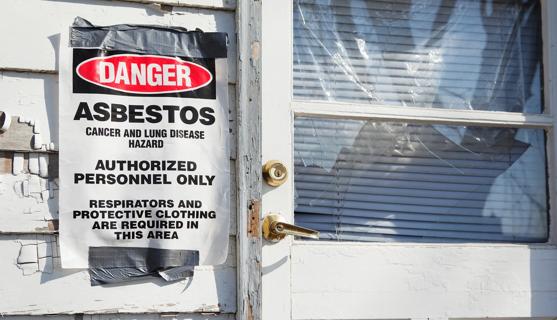
There’s no safe way to find, handle, repair or remove asbestos yourself — it’s always a job for a professional

Even only a couple cigarettes a day can lead to potentially deadly lung diseases like COPD and emphysema

Your risk goes down once you quit, but you may still need a lung cancer screening

Managing your weight through physical activity may lower your chances of getting this common cancer

It typically starts in October and winds down in early spring, with cases at their highest in the middle of winter

Anxiety disorders, health conditions and past trauma can make driving nerve-wracking — help is available
 Search










