Locations:


Supporting your immune system starts with taking care of your overall health — from the foods you eat to your daily habits

Image content: This image is available to view online.
View image online (https://assets.clevelandclinic.org/transform/5d300db5-8b78-4227-9c27-012bbcf849b2/Boost-Immune-System-2186531857)
Smiling man eating a bowl of salad in kitchen
Your immune system is constantly working behind the scenes to fight off infections and keep you on your feet. Literally — it’s a big part of what keeps you healthy, functioning and alive. But as we age, our immune systems change and become less effective. Is there anything you can do to strengthen it?
Advertisement
Cleveland Clinic is a non-profit academic medical center. Advertising on our site helps support our mission. We do not endorse non-Cleveland Clinic products or services. Policy
Preventive medicine physician and brain health expert Sandra Darling, DO, shares what works as an immune system booster and what you can do to stay as healthy as possible.
Turn on the TV or go to the store, and you’ll find a load of products that claim they can give your aging immune system a boost. But your immune system is a complex network of cells, tissues and organs that work together to protect you. So, there’s no magic pill that can crank the whole thing into high gear. And you wouldn’t necessarily want that either.
And an overactive immune system can cause other problems. So, it’s better to support normal, healthy immune function than to rely on supplements that promise to boost immunity.
“Your immune system works around the clock to protect your body from infections and help you recover from illness,” says Dr. Darling. “While you can’t prevent every infection, you can support your immune system by making choices that promote your overall health and well-being.”
In fact, research shows that it takes multiple factors to support a well-functioning immune system. Dr. Darling recommends focusing on the following areas.
Your immune system relies on a variety of nutrients to function properly. When you don't get enough of certain ones, your immune system becomes less effective at healing wounds and fighting off infections. If you have a nutritional deficiency, your healthcare provider may recommend supplements to get you back to healthier levels. But most of the time, a well-balanced eating plan can provide the nutrients your immune system needs.
Advertisement
“Eating a variety of whole, minimally processed foods is one of the best ways to nourish your body and support long-term health,” says Dr. Darling.
So, what does eating healthy look like? Help strengthen your immunity with these nutritional tips:
Sleep supports recovery and healing, in part because your immune system recharges overnight. While you’re asleep, your body produces more cytokines that help your immune system repair injuries and fight off germs.
To maximize its benefits, you need seven to eight hours of restorative sleep. “If you’re not sleeping enough or you feel tired during the day, start by adopting good sleep habits to improve the quality of your sleep,” recommends Dr. Darling.
A sleep specialist can also help you get back on track using different techniques.
Stress has a lasting impact on your immune system by increasing cortisol levels. Over time, that stress hormone can worsen certain autoimmune conditions and make you more susceptible to colds, the flu, RSV and other infections. Stress can also disrupt immunity by contributing to poor sleep and increasing blood pressure.
Dr. Darling recommends a few stress-relieving strategies:
Consistent physical exercise does more than just relieve stress. It also gets your blood flowing and your heart pumping, which can help support healthy immune function.
“Regular physical activity helps support a healthy immune system and your body's ability to defend against infections,” says Dr. Darling. “It also helps your body function at its best, which is why moving every day is so important for overall health.”
Try to carve out at least 10 minutes of physical activity every day and do a mixture of cardio and strength training each week. Start slowly, and as your endurance improves, you can increase the amount of activity you’re doing over time.
Advertisement
A positive mindset is vital for health and well-being. Research shows that positive thoughts can help reduce stress and inflammation and increase resilience to infection.
“Start your day with a positive thought or a simple affirmation, such as ‘I am well,’” suggests Dr. Darling. “A positive outlook doesn’t mean ignoring life’s challenges, but approaching each day with optimism can help motivate you to make choices that support your health and well-being.”
Vaccines bolster your immunity in a few different ways. Some, like the RSV vaccine, help your immune system identify and defend against viruses or bacteria that cause infections. Others, like the HPV vaccine, help protect against infections that can lead to certain kinds of cancer.
Check with a healthcare provider to see which vaccines are right for you. They may recommend them based on your age, exposure risk and overall health.
“Vaccines are an important part of protecting yourself against infection, but immune health goes beyond vaccination,” notes Dr. Darling. “It’s also about making healthy lifestyle choices every day to support your body’s natural defenses.”
Bottom line? Taking care of your immune system doesn’t have to be complicated. Small, healthy habits can go a long way toward helping you feel your best.
Advertisement
Advertisement

Sign up for our Health Essentials emails for expert guidance on nutrition, fitness, sleep, skin care and more.
Learn more about our editorial process.
Advertisement

Cold, wet conditions can weaken your immune system, which makes it easier for illnesses and infections to spread
Options like fatty fish, citrus fruits and sunflower seeds can help keep you well and heal faster

Look for options that have protein, fiber and healthy fats
The seven-part analysis identifies movement limitations and differences that may affect performance and long-term health

Don’t underestimate the power of a pause

This modern twist on a traditional sauna may help support heart health, soothe sore muscles, manage pain and more

That unnerving sense that something terrible is about to happen can be a sign of serious distress — trust your gut
From sauerkraut to kimchi, these foods can help keep your gut healthy

This simple practice can help you notice what’s meaningful, comforting or going well
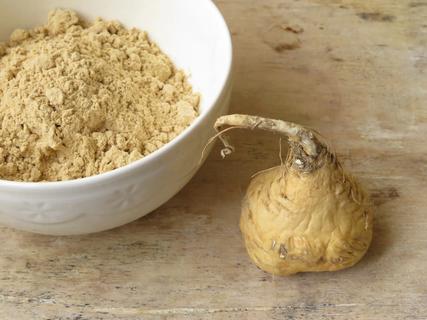
Maca root supplements claim benefits like sexual health, menopause symptom relief and more energy — but human research is limited

It can take a few months — and you’ll need to put down the tweezers to give your brows time to recover
 Search