Locations:





Proper timing and storage matter when it comes to harvesting this liquid gold
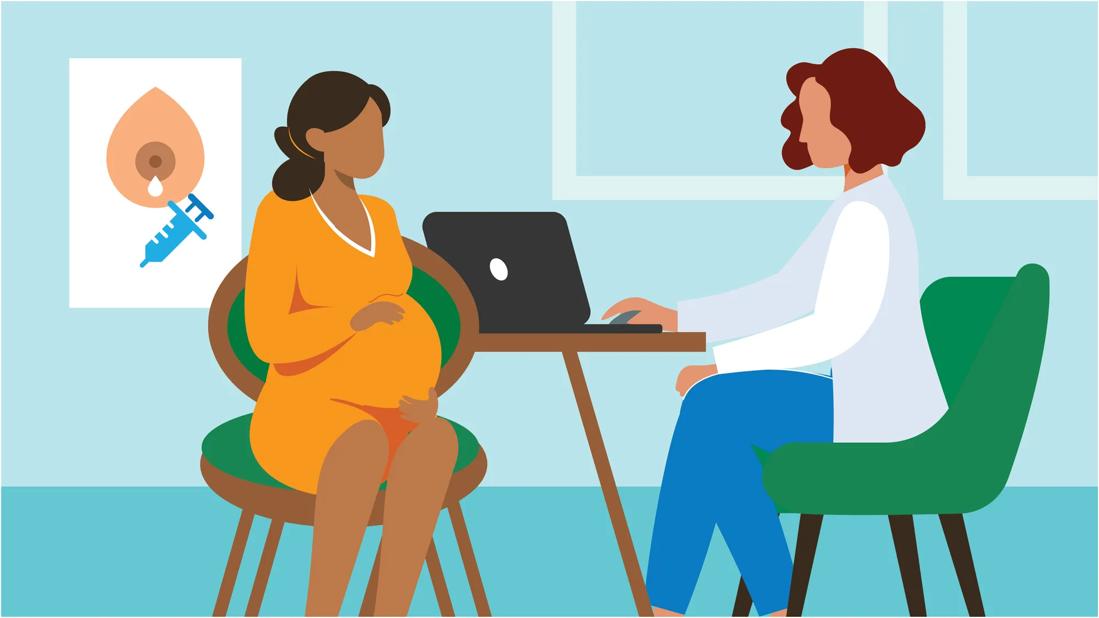
Image content: This image is available to view online.
View image online (https://assets.clevelandclinic.org/transform/5e7be93a-6005-4010-b4d9-05c10787ccd1/pregnant-woman-doctor-collect-colostrum-1972201753)
Pregnant woman appointment with healthcare provider
As you prepare for birth, you may hear about colostrum harvesting (also known as antenatal colostrum expression or ACE). But is it something you need to do?
Advertisement
Cleveland Clinic is a non-profit academic medical center. Advertising on our site helps support our mission. We do not endorse non-Cleveland Clinic products or services. Policy
Pediatrician and breastfeeding medicine specialist Heidi Szugye, DO, IBCLC, NABBLM-C, explains why and how you may want to collect colostrum before delivery, including how to store it.
Colostrum is the first milk your body makes during pregnancy. It’s extra rich in nutrients and thicker and more yellow than breast milk. That’s why you may hear it called “liquid gold.”
Your body may start to make colostrum during your second trimester. This lasts until two to four days after your baby’s birth. Then, your body makes transitional milk and mature milk.
Hormone shifts after birth gradually trigger mature milk production. That means that you can’t “run out” of colostrum before your baby’s birth if you choose to harvest it.
Colostrum harvesting can provide key nutrition in case your newborn has low blood sugar or feeding difficulties soon after birth. It may also help you become more comfortable with hand expression after they’re born.
Most of the research on antenatal expression focuses on pregnant women with preexisting or gestational diabetes. These babies are at increased risk of low blood sugar after birth.
Low blood sugar needs quick treatment. In most cases, your own breast milk, donated breast milk, formula or an IV sugar solution (in severe cases) are the main options to boost your baby’s blood sugar.
Advertisement
But antenatally expressed colostrum is another possible treatment. “The colostrum that you collect toward the end of pregnancy and bring to the hospital can help provide the extra nutrients your baby may need,” Dr. Szugye says.
So, what about those who don’t have diabetes? There are other reasons your baby may need supplementation, like if they have feeding issues or need extra care in the NICU.
“Research is ongoing if antenatal expression is helpful in other cases,” she adds. “That’s why it’s best to talk with your pregnancy care provider first to make sure it’s right for you. Everyone, especially those at risk of preterm labor, needs to consult with their provider before starting.”
Your healthcare provider may give you the OK to start collecting colostrum at or after 36 weeks of pregnancy. Talk it over with them first.
You may notice colostrum leaking from your breasts as early as the second trimester. It’s normal and safe if it leaks on its own. But you shouldn’t try to make colostrum come out this early.
“We don’t recommend collecting colostrum before 36 weeks,” Dr. Szugye states. “It may lead to preterm labor if you stimulate your nipples during the process.”
Hand expression is the main way to collect colostrum. But before you collect it, you’ll need some supplies, including:
Once you’re ready, wash your hands and find a relaxing and comfortable place to sit. You can apply heat to your breasts for a few minutes with a heating pad, if you want. Gently massage or pet your breasts. This shouldn’t be a firm touch. Think of it like petting a cat. Avoid touching your nipples, which can increase the chances of uterine contractions.
To hand express colostrum, follow these steps:
Advertisement
You can collect colostrum up to twice a day.
You may be surprised by how little colostrum comes out (if any at all). But it’s supposed to be that way.
“A newborn’s stomach is about the size of a marble. They can only take in a small amount of colostrum at a time,” Dr. Szugye clarifies. “So, it’s normal and expected to release only a few drops of colostrum — or none at all.”
On average, people collect 1 to 3 ml per session and about 40 ml total prior to delivery.
If nothing comes out, that’s OK. It may be frustrating, but try not to read into it. Dr Szugye reassures, “Antenatal expression doesn’t bring your milk in faster or increase long-term milk production.”
After each harvesting session, use a small syringe to collect the colostrum. Label the syringe with your name and the date. Freeze the syringe unless you expect to use it in the next four days. (It’s safe in a refrigerator for up to four days.)
Once you thaw frozen colostrum, it’s only good for 24 hours.
These timelines can make bringing colostrum to the hospital tricky once it’s time for delivery. It’s hard to know how long your labor will last. And most hospitals can’t store your colostrum in a refrigerator until after your baby is born.
Advertisement
“We generally advise that you have someone bring your collected colostrum to the hospital once your baby is born,” Dr. Szugye says. “If you bring the colostrum when you first arrive, it may expire before it’s needed. Most hospitals require the milk to be labeled with your baby’s hospital label in order to store it.”
Hospital policies may vary. Ask your healthcare provider for more information.
Pregnancy and preparing for birth can leave you with information overload. So, here are the key takeaways of colostrum harvesting:
Even if you don’t get any colostrum, the process may still be beneficial. It can help you become more comfortable with hand expression, Dr Szugye notes. “This skill is helpful if you and your baby are separated after birth and you want to provide breast milk. It can aid in latching and help relieve engorgement, as well.”
Advertisement

Sign up for our Health Essentials emails for expert guidance on nutrition, fitness, sleep, skin care and more.
Learn more about our editorial process.
Advertisement
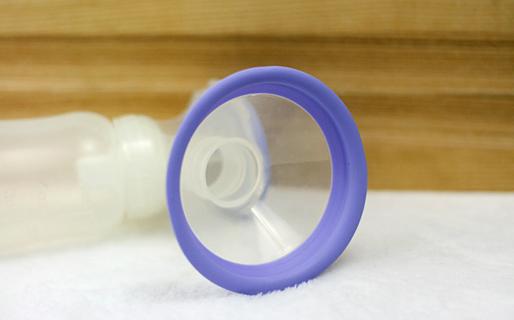
Getting the right flange fit can make pumping breast milk more comfortable and effective
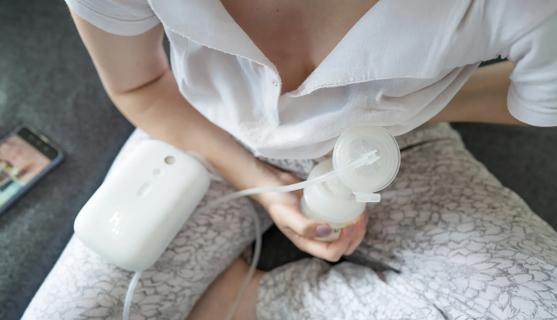
A flexible pumping schedule, the right gear and a few smart habits can make pumping at work smoother and more successful

Look at weight gain, wet diapers, signs of dehydration and more

Yes, you can have honey if you’re breastfeeding — but never feed it directly to babies under 1

Intermittent fasting could impact your milk supply and energy levels, so it’s best to wait until you’ve weaned your baby from nursing
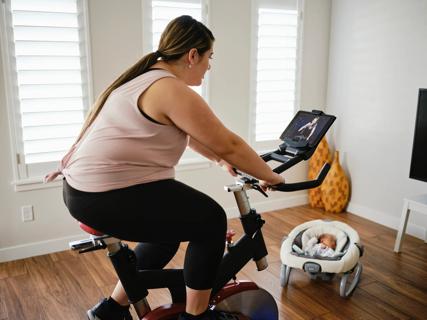
Ease into exercising, focus on sleep and follow a balanced diet — and be patient with yourself

If your baby has problems switching between breast and bottle, talk to your provider to get to the bottom of the confusion

It’s highly unlikely your baby will have an allergic reaction to food you eat while you’re breastfeeding

Hormonal changes, a slower metabolism and muscle loss can make weight gain more common around menopause — healthy habits can help you manage it

Life-threatening complications include sepsis, stroke, pneumonia and more

Fruity-smelling breath can happen when your body burns fat for energy, and in some cases, can signal a medical emergency
 Search










