Locations:





Prepping ingredients ahead of time, rethinking your snacks and making smart protein swaps can up your daily intake
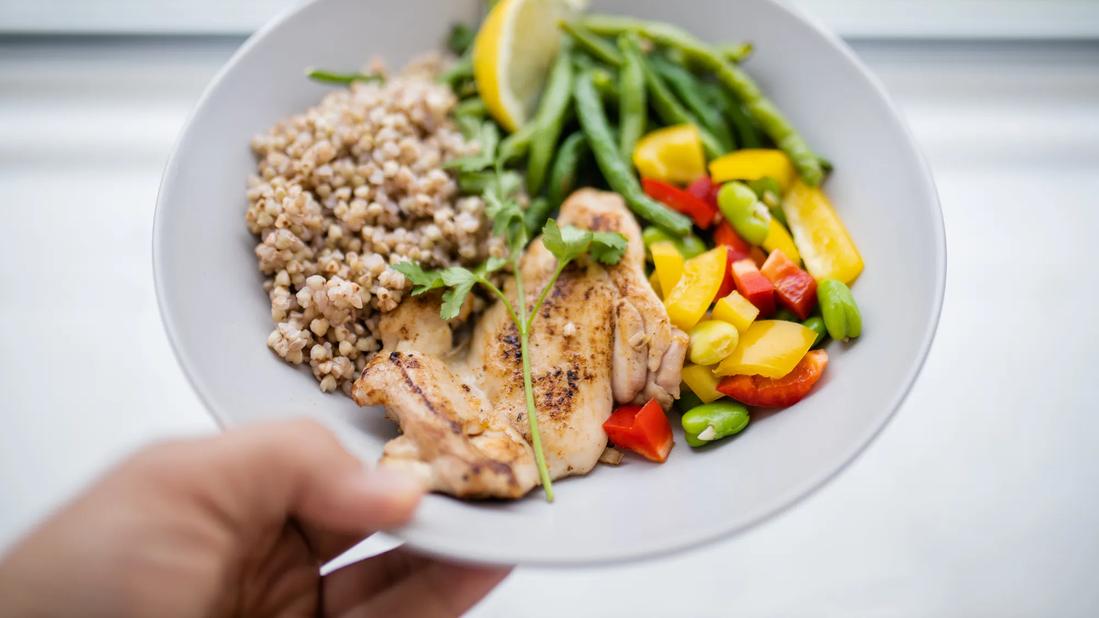
Image content: This image is available to view online.
View image online (https://assets.clevelandclinic.org/transform/5ce93dc1-2a9d-4560-9b82-dec81025c857/chicken-vegetables-buckwheat-1318832220)
Hand holding a plate filled with grilled chicken breast, veggies and buckwheat
Protein is essential to your health and wellness. This slow-burning nutrient takes longer to digest, so it keeps you feeling full — good news for people trying to lose weight. It’s also a champion for your muscles, helping your body build and maintain them.
Advertisement
Cleveland Clinic is a non-profit academic medical center. Advertising on our site helps support our mission. We do not endorse non-Cleveland Clinic products or services. Policy
“Protein should represent about 10% to 35% of your daily calories, depending on your overall health and activity level,” says registered dietitian Kate Patton, MEd, RD, CSSD, LD.
For example, the average healthy adult should have 1.2 to 1.6 grams of protein each day per kilogram of body weight.
So, how can you increase your protein? Patton shares tips on how to get more protein in your daily diet.
“It’s best to eat a consistent amount of protein during the day rather than load up at one meal and go without for other meals,” says Patton. “Your body loves consistency, especially in protein intake.”
To get more protein, start by building your meals around protein options, like chicken, fish, eggs, lentils and dairy.
A good example? Use salmon to create a dish. While the fish is the star of the show, you can add beans or grains for an additional protein punch. And then top with whatever veggies you have on hand.
“Leading with protein will help you reach your goals,” she adds. “If you’re having a hard time coming up with protein-forward meal ideas, talk to a registered dietitian. They can design a meal plan that works best for you.”
Protein is made up of essential and non-essential amino acids. A complete protein source is one that contains all nine essential amino acids to support human dietary needs.
Advertisement
“Not only does a complete protein contain all essential amino acids, but it also contains them in perfect proportion in terms of biological function or what your body needs,” explains Patton.
Examples of complete proteins include:
Having a midmorning or afternoon snack is a good way to get more protein into your diet.
Instead of grabbing a bag of chips or a cookie (or two), try options like:
The goal is to sneak in some extra protein while keeping your total calorie count between 150 and 170 calories per snack.
Take a look at what you plan to eat this week. Are there simple swaps you can make to up your protein intake?
For example, instead of chicken and white rice, sub in ancient grains like quinoa, barley and amaranth. These options have more protein per serving than white rice.
Grabbing a salad for lunch? Make sure you add protein like grilled chicken, salmon or tuna.
And if you tend to drink a fruit smoothie each morning for breakfast, try to incorporate chia seeds, hemp seeds and Greek yogurt to up the amount of protein.
“You can also use chickpea or lentil pasta instead of white pasta,” suggests Patton. “I also like using plain Greek yogurt as a mayo substitute in recipes.”
Cooking and prepping certain ingredients ahead of time will make it easier for you to have all the necessary parts of a healthy, protein-forward meal that you can store in your fridge or freezer.
For example:
“Having the option to add a protein source to your meal will make it easier for you to hit your protein goals,” encourages Patton.
Some people like to take Saturday or Sunday to plan and prep their meals for the upcoming week. Find a time that works best for you.
If you don’t like other protein-rich foods, protein powder is a great addition to smoothies, especially if you’re on the go.
“But be careful not to consume protein powder in addition to eating a meal to avoid gaining weight,” stresses Patton. “Use it on its own as a post-workout recovery drink or as a quick meal replacement.”
Getting protein from the foods you eat each day is key to giving your body the nutrients it needs.
You don’t have to overhaul your meals to get more protein each day. Instead, focus on making small, simple changes — like adding a high-protein ingredient to your meal — to up your protein intake.
Advertisement
“If you focus on prioritizing protein early in your life,” concludes Patton, “it will help you as you age to prevent chronic conditions associated with muscle loss and weight gain, allowing you to live a longer, healthier life.”
Advertisement

Sign up for our Health Essentials emails for expert guidance on nutrition, fitness, sleep, skin care and more.
Learn more about our editorial process.
Advertisement
From sauerkraut to kimchi, these foods can help keep your gut healthy

This East Asian and subtropical fruit is packed with delicious nutrition
Lean meats, fish, dairy and plant proteins can help you meet your protein needs without piling on saturated fat and sugar
Choosing snacks with protein can help curb hunger, support muscle health and keep your energy steady between meals
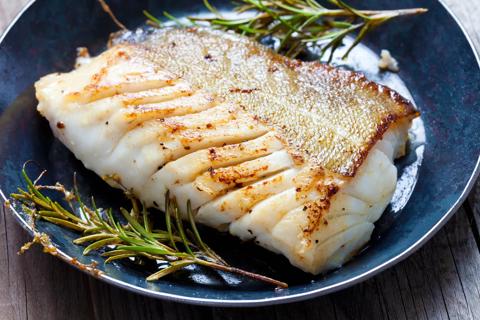
Fish packs plenty of protein, heart-healthy fats and other body-boosting nutrients into every bite
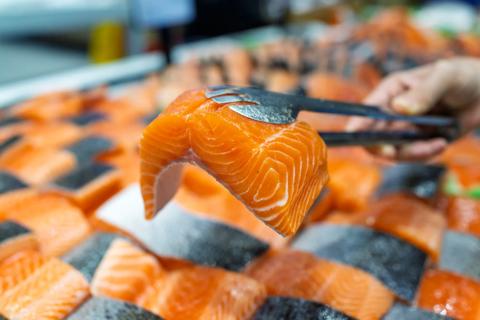
Both are healthy choices, but wild-caught salmon offers a few more benefits
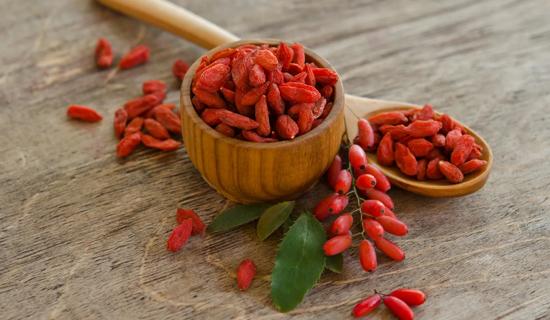
These bright berries are packed with nutrients and antioxidants that may support your eyes, immune system and overall well-being

The general rule is 1.2 to 1.6 grams of protein per kilogram of body weight — but that may not be exactly right for you

Managing your weight through physical activity may lower your chances of getting this common cancer

It typically starts in October and winds down in early spring, with cases at their highest in the middle of winter

Anxiety disorders, health conditions and past trauma can make driving nerve-wracking — help is available
 Search










