Locations:





 Search
Cold compresses, aloe vera and colloidal oatmeal can all help you find relief

You may not think much about those little hairs that sprout up on your legs, under your arms and around your bikini line. In fact, many think about them only in terms of getting rid of them, whether it’s through shaving, waxing or plucking.
Advertisement
Cleveland Clinic is a non-profit academic medical center. Advertising on our site helps support our mission. We do not endorse non-Cleveland Clinic products or services. Policy
But that hair actually serves a purpose — and removing it can cause skin issues like razor burn. “Although being hairless or hair-reduced is considered ‘in,’ it causes you to lose hair’s protective features,” says adolescent medicine specialist Ellen Rome, MD, MPH.
Here are some of the options for getting rid of razor burn on your own — and when you might need to see a healthcare provider for an assist.
You were in a hurry to de-fuzz your legs before you hit the beach, and you didn’t give shaving the careful time and attention it requires. Now, you’re fuzz-free but paying the price in the form of a painful, blotchy red rash. Ouch!
“Shaving, plucking and waxing can cause razor burn or inflame the hair follicles, which is called folliculitis,” Dr. Rome explains. “This can also cause tender pimples, pustules or larger skin lesions to develop.”
So, what’s the solution? Here are a few home remedies for razor burn.
When your skin is already irritated from shaving, doing more of it will only make things worse. Lay off all hair removal tactics (not just shaving but waxing, too) until the inflammation subsides and your skin clears up.
It’s called razor burn for a reason. If your freshly shaved skin feels like it’s on fire, try applying a cool washcloth to the area to provide some sweet relief. A blow dryer on a cool-air setting can also feel soothing.
Advertisement
Another option is to apply a bit of aloe vera gel — yep, the same kind you sometimes slather atop a sunburn. Though it won’t cure razor burn, it has cooling qualities that can help ease the discomfort while you heal.
You may have heard that other natural products can help, too, but Dr. Rome advises against them. “Apple cider vinegar and witch hazel may sting, and tea tree oil may contain other ingredients with unwanted consequences,” she cautions. Stick to the aloe vera!
Razor burn can happen when you shave skin that’s already dry and prone to inflammation. To give your skin back its moisture, apply an emollient like:
Just be sure to read the labels closely to avoid anything that could further irritate your already-angry skin. “Stay away from products that contain fragrances, alcohol or other ingredients that can irritate your skin,” Dr. Rome warns.
Colloidal oatmeal can help relieve itchy skin, making it a top choice for calming conditions like eczema and razor burn.
Just sprinkle some colloidal oatmeal into your bathwater to help soothe itchy legs and restore some moisture. When you get out of the tub, pat yourself dry (rubbing can make things worse) and apply a fragrance-free moisturizer.
Razor burn often goes away on its own, but if yours persists, escalate from home remedies to a more tried-and-true method: Speak with a healthcare provider.
Razor burn can lead to ingrown hairs, which can then cause a condition called pseudofolliculitis barbae, or “razor bumps.” Instead of the bumpy, red rash that accompanies regular razor burn, razor bumps look (and feel) more like little pimples.
“If it looks like a pimple, over-the-counter or prescription acne medicines can tackle the surface or deeper skin layers to prevent more of them,” Dr. Rome says. “But you should only use them with your doctor’s blessing.”
If things are really painful, you could be dealing with something more, like an infection.
“Big, juicy lesions may signal a pocket of pus that needs attention,” Dr. Rome states. “See a doctor for help getting rid of these.”
Razor burn can clear up within a couple of hours or it may take a few days. If yours isn’t going away, or if it seems to be getting worse, make an appointment with a healthcare provider who can help you can find relief.
Advertisement

Sign up for our Health Essentials emails for expert guidance on nutrition, fitness, sleep, skin care and more.
Learn more about our editorial process.
Advertisement
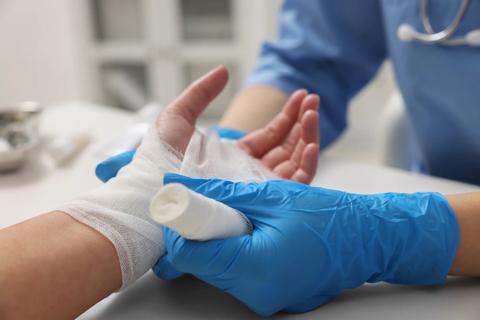
Follow the 4Cs — cooling, cleaning, covering and comforting — to start the healing process

Ice and ice-cold water can damage tissue, restrict blood flow and delay the healing process

Stay safe while celebrating by using legal fireworks, keeping a safe distance and disposing of them properly
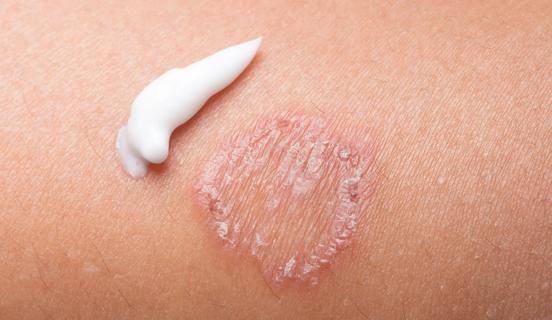
Over-the-counter antifungal creams usually get the job done, but it’s important to keep it from spreading in the meantime
Although it could be used as a moisturizer, this new trend is not recommended

The popular skin care ingredient can help smooth, brighten and strengthen your skin
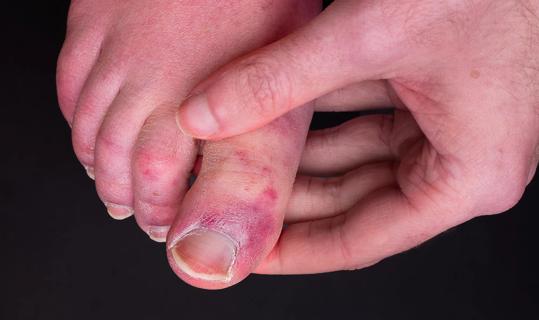
Chilblain-like skin lesions and rashes are mild (and rare) complications of many viral infections, not just COVID-19

It’s a great disinfectant for around your home, but not for your skin

Even small moments of time outdoors can help reduce stress, boost mood and restore a sense of calm

A correct prescription helps your eyes see clearly — but as natural changes occur, you may need stronger or different eyeglasses

Both are medical emergencies, but they are very distinct events with different causes











