Locations:





 Search
The goal is a balance of aerobic activity, flexibility exercises and muscle strengthening
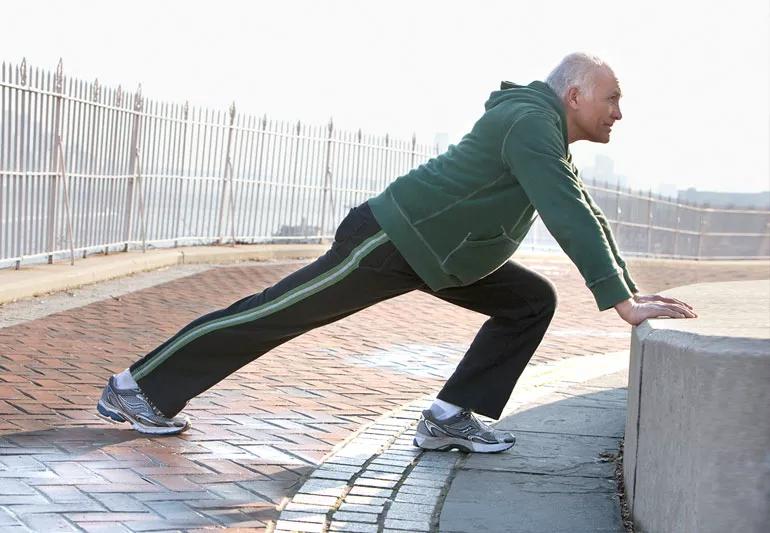
Image content: This image is available to view online.
View image online (https://assets.clevelandclinic.org/transform/940383b6-72ac-4fa4-92e8-cd766d255840/keepLimberStretchExercise-103576186-770x553-2_jpg)
A person outside stretching
Thanks to our healthy joints, we can move, run, jump, twist and turn. All of the things that keep us moving freely and enjoying life.
Advertisement
Cleveland Clinic is a non-profit academic medical center. Advertising on our site helps support our mission. We do not endorse non-Cleveland Clinic products or services. Policy
And as we age, it’s natural that our bodies go through normal wear and tear over time. Our joints can, too, if we don’t proactively keep them in good shape.
Joints are where two bones come together, connected by ligaments and muscles for stability. Bones also have a layer of smooth, white tissue called articular cartilage. This tissue helps distribute compression forces and allows for smooth gliding when we move.
According to orthopaedic surgeon Robert Molloy, MD, keeping your joints healthy should begin with the initial goal of reducing the wear and tear on the cartilage over time.
“It’s a circular approach in some ways. By keeping your joints healthy with an active lifestyle and continuing to stay active throughout your life, it sets you up to continue these activities that you love later on — whether it’s walking, running or other sports,” Dr. Molloy says.
Healthy joints also play an important role in preventing early onset of pain and joint replacement surgeries — especially hip and knee arthroplasties.
Dr. Molloy recommends a three-way approach to the care you give your joints — continuing to move, picking the right exercises that reduce the load on the joints, and using and strengthening your core muscles (to positively affect posture, which also reduces pressure on the joints).
Advertisement
This three-way combination is crucial to long-lasting joint function and reducing the potential for early arthritis. It even aids in better health outcomes for bone health, too.
Physical therapist Gary Calabrese, PT, DPT, advises on the specific training regimen you can build for healthy joints.
“The key to a successful exercise program is variety. Completing a balance of aerobic, muscle-strengthening and flexibility exercises, along with keeping a healthy weight, will provide the base for good joint health for a lifetime,“ says Dr. Calabrese.
Here are some of the best exercises you can wrap into your routine to support your joint health.
“Above all, you should pick exercises and activities that you enjoy and that meet a low joint load outcome,” Dr. Calabrese says. “This will help you stick to your activity and keep you active longer.”
It’s also a good idea to seek help from a personal trainer or physical therapist when putting together the program that works best for you, especially if you’re an athlete with more performance goals and activity.
“Although there are treatments out there that can help chronic muscle and joint pain later in life, the true goal is to try to avoid getting there in the first place by taking care of yourself early on,” he emphasizes.
Advertisement

Sign up for our Health Essentials emails for expert guidance on nutrition, fitness, sleep, skin care and more.
Learn more about our editorial process.
Advertisement

Fish, cruciferous veggies, turmeric, yogurt, ginger and green tea all reduce inflammation
It’s a normal, common occurrence, but popping with pain or swelling may be a sign of an injury

As long as it’s done correctly, knuckle cracking is safe

Stay afloat with bicycle kicks, alternating punches and water jogging
Aerobic, strength training, flexibility and balance exercises are all important parts of maintaining movement

Plyometric training uses explosive movements to improve speed, power and agility

The general rule is 1.2 to 1.6 grams of protein per kilogram of body weight — but that may not be exactly right for you
Physical activity can lift your mood, increase your energy and boost your self-esteem

Your period may occasionally line up with someone else’s, but science suggests coincidence is responsible — not a mysterious biological connection

Most penis-enlargement products, devices and procedures deliver only modest (if any) gains

Make meals with lean proteins, non-starchy vegetables and complex carbohydrates











