Locations:





Passing a stone isn’t the same as peeing it out — and it’s not always the end of your symptoms
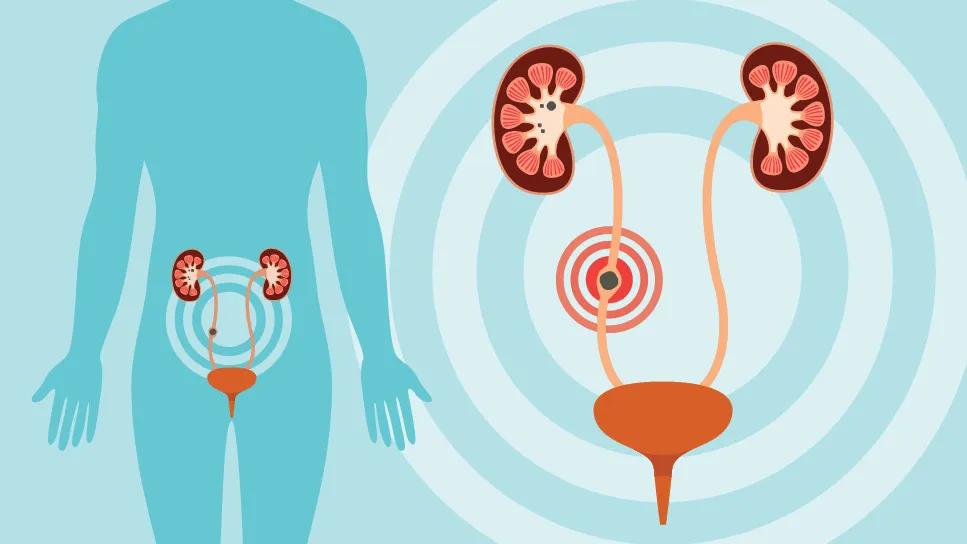
Image content: This image is available to view online.
View image online (https://assets.clevelandclinic.org/transform/05d3e886-2002-4803-ad25-ba90b75e778a/kidney-stone-body-pain-2203522604)
Kidneys with stones, with one passing through the ureter to the bladder
Kidney stones are extremely common — about 10% of us will get them at some point or another. But they’re also easily misunderstood. One of the more significant sources of confusion is the term “passing a kidney stone.”
Advertisement
Cleveland Clinic is a non-profit academic medical center. Advertising on our site helps support our mission. We do not endorse non-Cleveland Clinic products or services. Policy
Urologist Smita De, MD, PhD, explains what’s happening in your body when you pass a kidney stone, how to interpret your symptoms and when it’s time to get professional help.
Contrary to popular belief, the act of “passing” a kidney stone isn’t the same thing as peeing it out — and it doesn’t always mean the situation has resolved.
When a healthcare provider tells you you’ve passed a kidney stone, they’re telling you that the stone has made it through your ureter and into your bladder. This is when your pain lets up. If all goes well, you’ll pee out the stone shortly after.
But this is important: Feeling better doesn’t always mean your kidney stone is gone.
“The only ways to know you’ve expelled a stone in your urine are if you see it, a urologist removes it or imaging shows that it’s gone,” Dr. De says.
Pain may not be a good way to tell if you’ve passed a stone, but it does follow a pretty reliable pattern. And understanding what your pain means can help you better care for yourself throughout the process.
Kidney stones are clusters of minerals, acids and salts that form in your kidneys. And they can hang out there for a long time without causing any symptoms.
“Many people don’t even know they have them until they develop pain,” Dr. De says. The discomfort usually starts when the stone leaves your kidney and enters your ureter — the narrow tube that connects your kidney to your bladder.
Advertisement
Kidney stone pain can be mild, moderate or severe. But it usually starts in your side or back and moves into your groin. Most people have two kidneys — one on either side of their body. Unless you’re unlucky enough to have stones leaving both kidneys at the same time, the pain will be on one side only.
It’s natural to assume the pain means the stone is moving, but that’s not quite right. “The pain is usually when the stone is stuck, not while the stone is moving,” Dr. De clarifies.
The discomfort comes from the stone blocking the flow of urine into your bladder. It causes your pee to back up into (and stretch out) your kidney. In addition to hurting, this can cause nausea and vomiting.
Another thing to know about kidney stone pain? It comes and goes. Providers call this pattern renal colic.
“If urine finds a way around the stone, the swelling goes down and the pain improves,” Dr. De adds. “Then, it gets stuck again, and the pain comes back.”
This cycle can trick you into thinking that your kidney stone has passed when it hasn’t.
As the stone travels through your ureter, the renal colic pain will migrate down with it toward your groin. As the stone approaches your bladder, Dr. De says that you may notice pressure in your lower abdomen. Some people liken the feeling to having a bladder infection. Men may also be saddled with pain in their scrotum or in the testicle on the affected side.
Once the stone enters your bladder, your urine will flow freely — meaning an end to the pain.
For most people, passing the stone means the hard part is over. But Dr. De observes that you may have more difficulty peeing the stone out if you have certain anatomical issues (like a big prostate) or you’ve had prior surgeries involving your genitals or urinary tract. In those situations, the stone may need to be removed from your bladder surgically or else it could continue to grow and cause bleeding or infection.
There’s nothing you can do to make a kidney stone pass into your bladder. How quickly or slowly it moves depends, in large part, on the stone’s size and shape. But Dr. De says there are things you can do to manage your pain and support your body during the process, like:
Advertisement
How long it takes to pass a kidney stone varies widely from person to person and stone to stone. Dr. De reports that some take hours or days, while others can take weeks.
In some cases, a stone can’t pass on its own. If that happens, your doctor will need to do a procedure to remove or break up the stone.
While taking your medications and staying hydrated may help, there’s no proven way to speed up the process of passing a kidney stone.
So, don’t put too much stock into what you may see online. There’s no “best position” to pass a kidney stone, and you aren’t going to get relief faster by drinking beer or cranberry juice. Your best bet? Follow your healthcare provider’s instructions and ask questions as they arise.
(Side note: There are rare stone types that can be dissolved, but Dr. De says this can take months and usually requires prescription medications.)
Most of the time, a kidney stone can be managed at home with over-the-counter pain relievers and a healthy dose of patience — but certain symptoms are red flags that you need medical attention.
Call a healthcare provider’s office if:
Advertisement
Seek help immediately if you:
Advertisement
While about 80% of kidney stones pass on their own, others require medical treatment. Letting a stone hang out in your urinary tract for too long can cause serious complications.
“We don’t like people to have a blockage for more than about six weeks,” Dr. De explains. “At that point, there’s a risk of scar tissue and permanent kidney damage.”
Your provider will either perform a procedure to break the stone into smaller pieces (so it can pass into your bladder and get peed out naturally) or remove the stone themselves. The course of action they take will depend on:
Luckily, surgical procedures for stones are typically outpatient, which means you get to go home the same day.
“There are a lot of newer tools that make the process more efficient and less uncomfortable,” Dr. De reassures.
Nobody wants to get a kidney stone. The process can be painful, frustrating and confusing. But understanding what’s happening can make a difference. It won’t make the stone pass any faster, but it will help you manage both your expectations and your symptoms.
Not sure if it’s time to ask for help? When in doubt, ask. Your urinary tract will thank you.

Sign up for our Health Essentials emails for expert guidance on nutrition, fitness, sleep, skin care and more.
Learn more about our editorial process.
Advertisement

Warmer temps, dehydration and increased physical activity can cause kidney stones that formed over the winter to move

You can limit your risk of kidney stones by hydrating, eating calcium-rich foods, plus fruits and vegetables, and limiting meat, sodium and sugar
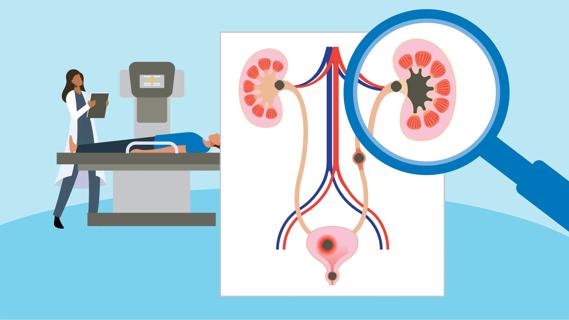
Food and drink choices, plus your weight and activity level, can all play a role
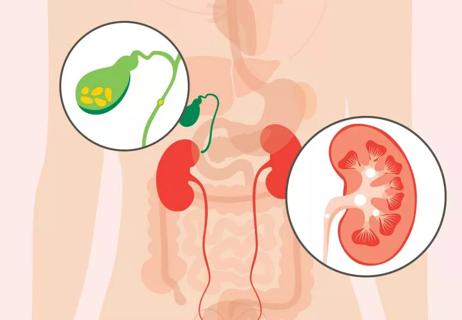
One is related to your urinary system, while the other is related to your digestive system
An overactive bladder, UTI, kidney stones or an enlarged prostate can affect how you urinate

Why kidney stones in kids are on the rise (and what to watch for)

Here’s how to tell if you’re experiencing a kidney stone

An expert explains a complicated relationship

Managing your weight through physical activity may lower your chances of getting this common cancer

It typically starts in October and winds down in early spring, with cases at their highest in the middle of winter

Anxiety disorders, health conditions and past trauma can make driving nerve-wracking — help is available
 Search










