Locations:





Daily oral hygiene goes a long way to keeping your mouth healthy and your smile bright
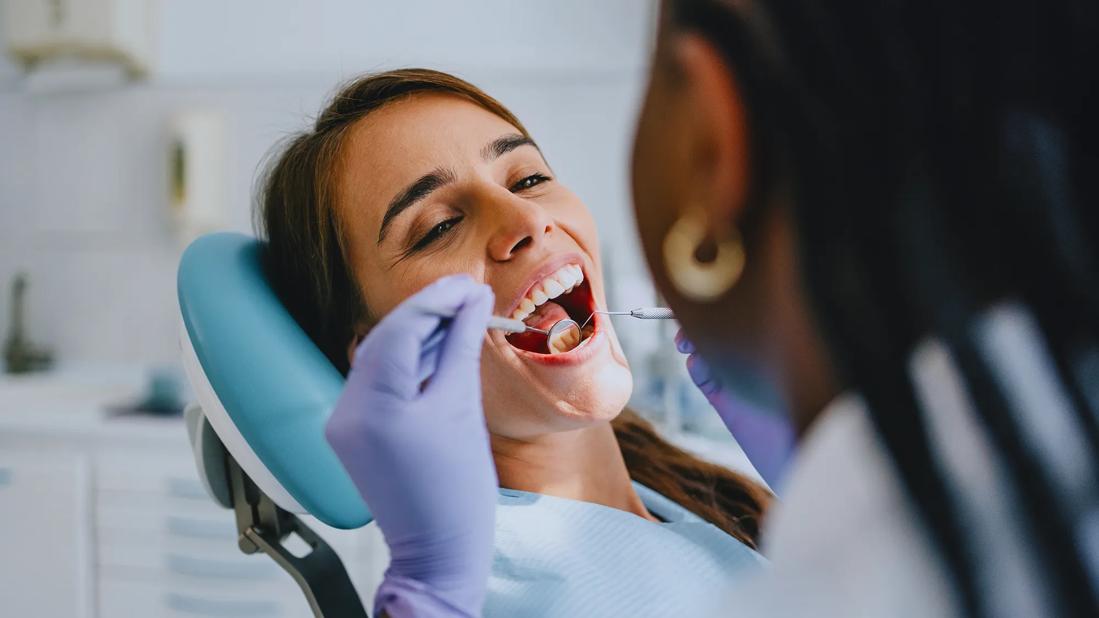
Image content: This image is available to view online.
View image online (https://assets.clevelandclinic.org/transform/4b2169bf-bc34-43be-afd6-b323e8ef15d6/dentist-checkup-2166227001)
Patient receiving a dental exam for a cleaning
“Plaque” is one of those dental terms you’ve probably heard a hundred times. But what is it, really? And more importantly, how do you get rid of it?
Advertisement
Cleveland Clinic is a non-profit academic medical center. Advertising on our site helps support our mission. We do not endorse non-Cleveland Clinic products or services. Policy
“Plaque is a biofilm that forms on your teeth from everyday life — eating, drinking, even your own saliva,” explains registered dental hygienist Tenika Patterson, RDH. “It’s soft and sticky at first, but if it’s not removed within 24 hours, it hardens like cement. That’s what we call tartar.”
Once plaque becomes tartar, only a dental professional can remove it. But with the right habits, you can stop plaque before it hardens — and protect your smile in the long run.
Here’s the good news: You have the power to remove plaque. Patterson walks us through the habits that matter most.
Flossing may not be the highlight of your day. But it is so (so) important to floss your teeth every night before brushing.
“Flossing removes plaque between your teeth. Your toothbrush doesn’t reach those spots,” Patterson says.
And when it comes to choosing floss, she recommends sticking with the good ol’ string version.
“Water flossers are great in addition to string floss, but they shouldn’t replace it,” she advises. “String floss really gets under the gum line and hugs the tooth to rub plaque away.”
As for those handy little floss picks? They can work in a pinch — like after dinner at a restaurant — but they’re not as effective for full plaque removal, she adds.
Advertisement
Make sure you use proper technique, too — don’t just saw between your teeth.
“You want to wrap the floss around each side of the tooth in a ‘C’ shape,” Patterson instructs. “Then, rub up and down gently against the tooth. That friction is what removes plaque.”
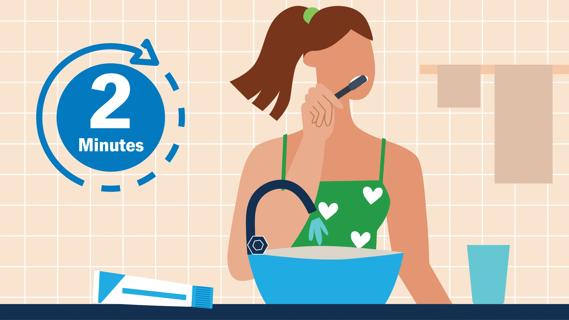
Brush your teeth every morning and every evening. For best plaque-busting results, follow these tips:
It’s no surprise that gummy or sticky foods can be bad for your teeth. But foods that crunch can help keep plaque at bay.
“Crunchy foods like apples, celery and carrots can actually help scrub plaque off your teeth,” says Patterson.
The mechanical action of chewing helps clear buildup. An added bonus: These healthy snacks can keep you fuller longer, so you don’t go reaching for some of those other snacks that aren’t so kind to your chompers.
Even if you’re a rockstar at daily dental care, you still need regular professional cleanings.
“Getting a dental cleaning and check-up every six months is the gold standard,” Patterson explains. “But some people need to come in every three or four months, depending on how quickly they build plaque.”
Dental visits also give your provider a chance to catch other issues early. They’ll check for everything from cavities and gum disease to signs of larger health problems, like oral cancer.
“It’s a critical part of your overall healthcare,” Patterson emphasizes.
Removing plaque isn’t just about keeping your pearly whites ... well, pearly white. Left unchecked, plaque buildup can lead to serious oral health problems.
Here’s how the dominoes fall:
Advertisement
In other words, a few minutes of daily prevention can save you a lot of problems down the road. Keep up the healthy habits!
Advertisement

Sign up for our Health Essentials emails for expert guidance on nutrition, fitness, sleep, skin care and more.
Learn more about our editorial process.
Advertisement
Good dental habits and staying hydrated can help, but persistent bad breath merits professional care

You may not be able to smell your own breath, but a bad taste, dry mouth and other clues can tell you when it may be less than fresh
Expired toothpaste won’t make you sick, but it’s less effective for your dental health
From whitening to sensitivity toothpastes, the best choice depends on your dental needs — but fluoride should always be part of the equation

A variety of OTC products and professional treatments can be effective at removing stains on teeth
Try to brush for at least two minutes twice a day to keep your teeth healthy
Fluoride has the power to make your teeth stronger

You might have a sensitive gag reflex — but gagging while brushing can also be a result of certain medical conditions

Managing your weight through physical activity may lower your chances of getting this common cancer

It typically starts in October and winds down in early spring, with cases at their highest in the middle of winter

Anxiety disorders, health conditions and past trauma can make driving nerve-wracking — help is available
 Search










