Locations:


Hypoglycemia means your blood sugar is too low, and hyperglycemia means it’s too high
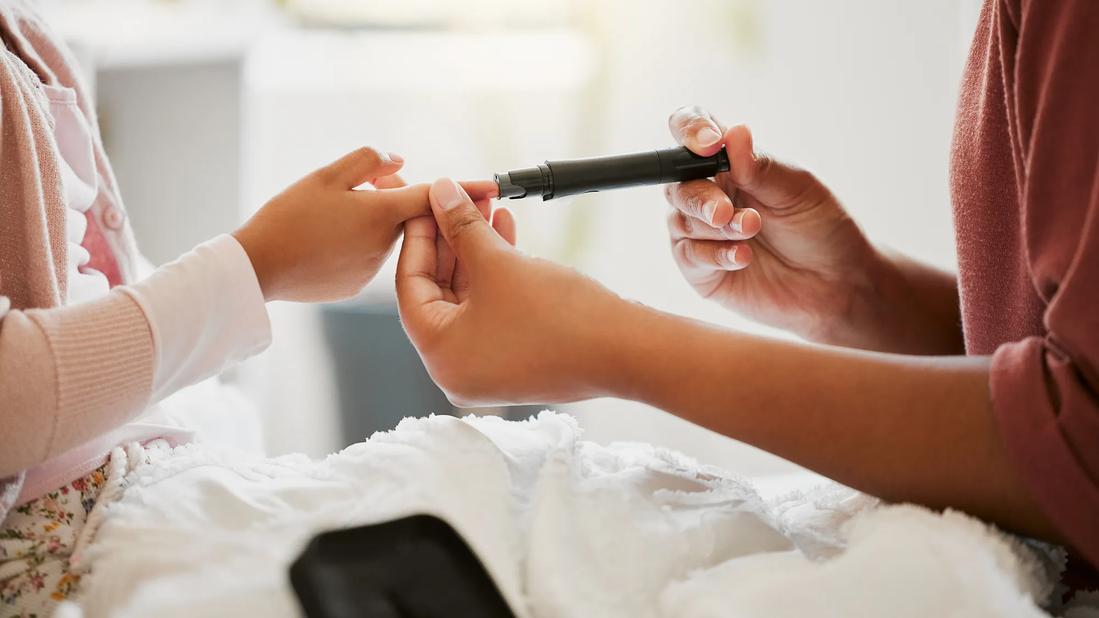
Image content: This image is available to view online.
View image online (https://assets.clevelandclinic.org/transform/24bd07af-e629-4e64-9206-6760caa3b345/blood-sugar-1421122186)
Person getting their blood sugar tested via finger prick
Only a couple letters separate hypoglycemia and hyperglycemia, but they couldn’t be more different when it comes to your blood sugar.
Advertisement
Cleveland Clinic is a non-profit academic medical center. Advertising on our site helps support our mission. We do not endorse non-Cleveland Clinic products or services. Policy
“They’re polar opposite problems,” says endocrinologist Anira Iqbal, MD. “But both low and high blood sugar can have serious consequences.”
Dr. Iqbal walks us through the differences, causes, and what to do if you’re having symptoms.
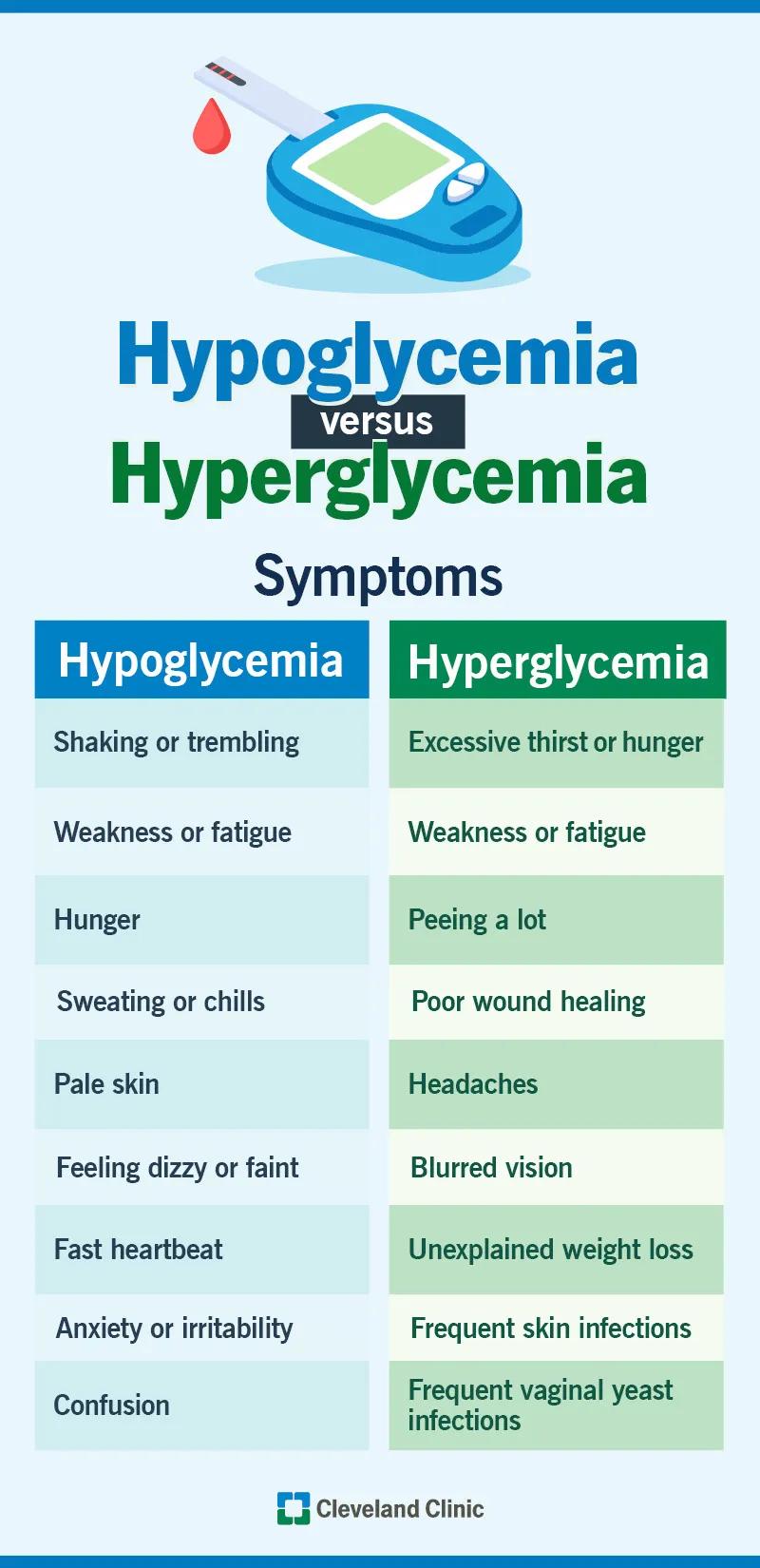
Image content: This image is available to view online.
View image online (https://assets.clevelandclinic.org/transform/cfc52811-a21c-4d19-b4be-6a7c441181f3/hypoglycemia-versus-hyperglycemia-infographic)
Hypoglycemia is low blood sugar, and hyperglycemia is high blood sugar. But why does the amount of glucose in your blood matter? How much is too much, and how little is too little?
“If your body’s a car, sugar is gasoline,” Dr. Iqbal illustrates. “You need sugar to keep your body running. You can’t run on ‘empty,’ but you don’t want your tank overflowing either.”
While your mileage will vary, for most people, hypoglycemia is when your blood sugar level is below 55 mg/dL (milligrams per deciliter). If you have diabetes, the threshold is higher: 70 mg/dL.
Hyperglycemia is a bit more involved because what’s healthy doesn’t just depend on you and your symptoms. It also depends on when (and what) you most recently ate.
For a typical person without diabetes:
For a typical person with diabetes:
Advertisement
Keep in mind that, while numbers matter, they aren’t the be-all-end-all. Your symptoms are also important when assessing your blood sugar.
“What counts as hypoglycemia and hyperglycemia can vary from person to person, so it’s important to know what ‘normal’ means for you,” Dr. Iqbal says.
If you have hypoglycemia, there’s not enough glucose in your blood to power your body effectively.
“Hypoglycemia can develop very quickly,” Dr. Iqbal notes. “And symptoms like mental confusion mean you may not fully realize what’s happening.”
If you have hyperglycemia, on the other hand, there’s either not enough insulin to deliver the sugar into your cells, or your cells might be resistant to insulin. So, the sugar just keeps building up.
“Your kidneys have to work overtime to try and filter all that glucose out in your pee,” she explains. “In severe cases, your body may start burning fat and breaking down muscle to make up for the lack of sugar. This can cause emergency situations such as diabetic ketoacidosis (DKA) in those with diabetes.”
Regardless of whether you have diabetes, common causes of low blood sugar include:
Advertisement
If you’re living with diabetes, it could also be due to:
Unlike hypoglycemia, hyperglycemia can be either episodic or chronic. In other words, it can go up suddenly, but it’s also possible to live with hyperglycemia for months or years without realizing it.
“People with prediabetes, for example, have chronic high blood glucose that hasn’t yet developed into diabetes,” Dr. Iqbal says.
Regardless of whether you have diabetes, an isolated episode of high blood sugar can happen because of:
If you’re living with diabetes, Dr. Iqbal says high glucose levels are usually the result of:
Advertisement
Then there’s chronic hyperglycemia. If you haven’t been diagnosed with diabetes, but your blood sugar is consistently higher than it should be, Dr. Iqbal says your providers will likely check for Type 2 diabetes and other underlying conditions that can affect your blood sugar.
If you don’t typically have issues with your blood sugar, it can take a while to realize that it may be the reason you don’t feel well.
Severe spikes and dips in blood sugar can be life-threatening. We’ll review those symptoms in a bit. First, let’s look at signs of mild or moderate blood sugar changes.
You may be contending with low blood sugar if you’re:
If you have high blood sugar, your symptoms will look a bit different. In the short term, hyperglycemia red flags include:
If you have chronic hyperglycemia, you may also experience:
If you’re experiencing any of these symptoms regularly, Dr. Iqbal recommends sharing that information with your provider. She doesn’t recommend using a continuous glucose monitor (CGM) to track your blood sugar levels unless you’ve been diagnosed with diabetes.
Advertisement
“These devices measure interstitial glucose, not blood glucose, and studies show they’re not the most accurate in people who have prediabetes or normal glucose levels,” she explains.
“It’s normal for your blood sugar to fluctuate throughout the day, and constant monitoring without medical supervision could mislead you into thinking something’s wrong, when it could just be your normal variations.”
While the treatments for low and high blood sugar are quite different, they share something in common: They need to be personalized to you and your health needs.
Let’s start with hypoglycemia.
Assuming you’re well enough, your first step will be the same, regardless of whether you have diabetes. It’s called the 15-15 rule. This involves raising your sugar by eating 15 grams of fast-acting carbs (like honey, fruit juice or glucose tablets or gels). Wait 15 minutes. If your blood sugar hasn’t improved, repeat the process and call your provider’s office.
If you have a history of severe hypoglycemia and are at risk of losing consciousness, your next step may be administering glucagon (on your own or with help), as directed by your provider.
If you can’t safely eat, drink or administer medicine, Dr. Iqbal urges you to call 911 or local emergency services.
Advertisement
Now, let’s look at treatment options for hyperglycemia.
If you have diabetes, you’ll typically treat hyperglycemia with insulin. If your blood sugar is over 240 mg/dL, you’ll need to check for ketones to rule out more serious complications that require emergency care.
If you don’t have diabetes — or you don’t take insulin as part of your diabetes treatment — Dr. Iqbal advises calling your provider. The next step they recommend will depend on:
“In extreme cases, both hypoglycemia and hyperglycemia have the potential to be deadly — but the time scales are a bit different,” Dr. Iqbal says.
Severe hypoglycemia can happen quickly and cause serious symptoms like seizures, disorientation and loss of consciousness. You may only have minutes to react.
As for severe hyperglycemia, the most dangerous complications are typically diabetic ketoacidosis (DKA) and hyperosmolar hyperglycemic state (HHS). They can be deadly, but Dr. Iqbal notes that the symptoms tend to build over the course of hours or days.
Call 911 or local emergency services for anyone:
These situations are frightening, but for your providers, they’re also familiar territory. They’ll do everything they can to get you back in a healthy range — and back on your feet.

Sign up for our Health Essentials emails for expert guidance on nutrition, fitness, sleep, skin care and more.
Learn more about our editorial process.
Advertisement

If you have diabetes, working out soon after eating can help lower your blood sugar

Focus on eating more whole grains, lean proteins, fruits and vegetables, and fewer processed foods and saturated fats

This approach is all about eating foods that don’t spike your blood sugar quickly
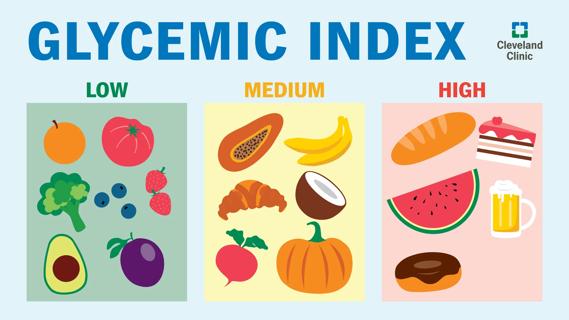
You can use this index to help identify which foods can cause wild swings in your blood sugar

Diet adjustments and exercise can help, as can asking your doctor about medication changes

Exercising more, eating healthier and managing weight can significantly improve insulin sensitivity
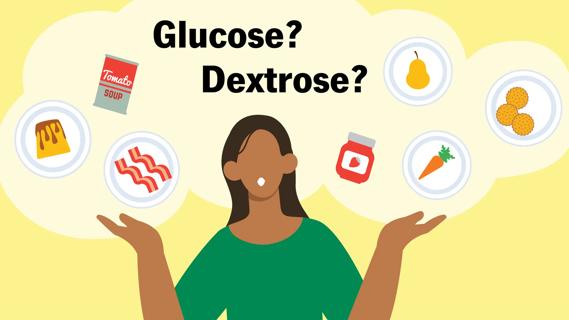
These simple sugars give us energy, but they can also raise blood sugar levels

Even a short walk can make a positive difference

This low-impact activity could boost your cardiorespiratory health

The advice dates to 1574, but it falls a little short given what we know today

Most tongue pain isn’t too serious, but seek help if it’s severe or lasts longer than a few weeks
 Search