Locations:





The supplement is OK for most people and may offer some potential benefits for kidney health
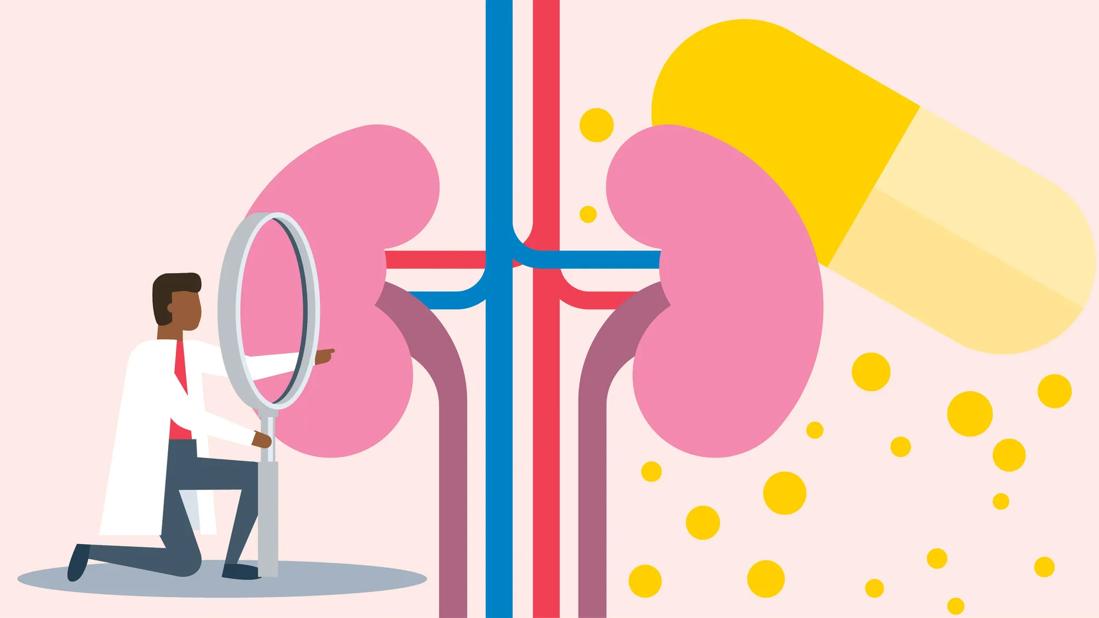
Image content: This image is available to view online.
View image online (https://assets.clevelandclinic.org/transform/adc71644-2561-4413-bd16-9b76abd55c77/doc-checks-kidneys-1479248677)
Healthcare provider with oversized magnifying glass checking oversized kidney function, with supplement capsule
Berberine, a staple in traditional Chinese medicine (TCM), has been mainly used to treat diarrhea and other gastrointestinal infections.
Advertisement
Cleveland Clinic is a non-profit academic medical center. Advertising on our site helps support our mission. We do not endorse non-Cleveland Clinic products or services. Policy
And while it’s a popular supplement that may also cause weight loss and reduce blood pressure, you may be worried about its potential side effects and risks.
For most people, berberine doesn’t appear to cause harm to your kidneys.
“Berberine use doesn’t seem to affect the kidneys in a negative way, including early stages of kidney disease (CKD 1 and 2), and research doesn’t show any major concern about using berberine with the recommended dose,” says functional medicine specialist Layth Tumah, MD. “However, regular monitoring with either a blood or urine test is recommended.”
But Dr. Tumah adds that if you have severe chronic kidney disease and are on dialysis, you should avoid using berberine. Dialysis affects your kidneys’ ability to filter and remove substances from your body.
Research shows that berberine may have some potential benefits for your kidneys.
“It’s not clear if berberine improves kidney health directly,” notes Dr. Tumah. “It’s likely more due to the other benefits of berberine.”
Berberine benefits that may indirectly improve or support your kidney health include:
Advertisement
Research also shows that berberine could potentially help manage Type 2 diabetes for people who can’t take certain anti-diabetes drugs because of kidney problems. But more research is needed.
A 2022 systematic review and meta-analysis notes that in lab studies, berberine may improve renal function by reducing creatinine and blood urea nitrogen levels, which can be beneficial for kidney health.
These waste products are filtered out through your kidneys, and high levels can indicate that your kidneys aren’t working properly. These beneficial effects of berberine may be related to its anti-inflammatory and anti-oxidative stress properties.
Another study shows that berberine can impact your gut health, which results in a reduction of substances that can make kidney disease worse.
But it’s important to note, again, that more research is needed to fully understand how berberine can affect your kidneys.
Like other supplements, the U.S. Food and Drug Administration (FDA) doesn’t review or regulate berberine. That means no one checks what’s sold to ensure it’s safe and effective.
Berberine side effects may include:
But not everyone experiences berberine side effects. If you do, Dr. Tumah suggests lowering your dosage (500 milligrams once or twice a day before meals), which should help minimize side effects.
If you’re pregnant or breastfeeding, you shouldn’t take berberine. And berberine isn’t recommended for children or babies.
Make sure you talk to your healthcare provider before taking berberine, especially if you take other medications. Berberine may interact with certain medications.
Advertisement

Sign up for our Health Essentials emails for expert guidance on nutrition, fitness, sleep, skin care and more.
Learn more about our editorial process.
Advertisement

This South Pacific plant is often promoted for stress relief and relaxation, but there are a few things you should know before trying it

The compound that gives chili peppers their kick may support your health — and even help relieve certain types of pain
Collagen peptide supplements may support your skin, joints and bones — but there’s no guarantee
This naturally occurring nutrient supports energy and heart health, but supplements aren’t necessary for everyone

They claim to boost energy and improve longevity, but there’s currently not enough research to confirm these benefits
Properly prepared, elderberries can be a safe and healthy part of a balanced diet — just steer clear of supplements
Science doesn’t support most claims about this bee byproduct, and supplements have potential risks
Until there’s more research on it, this plant’s greatest claim to fame is its deliciousness

Managing your weight through physical activity may lower your chances of getting this common cancer

It typically starts in October and winds down in early spring, with cases at their highest in the middle of winter

Anxiety disorders, health conditions and past trauma can make driving nerve-wracking — help is available
 Search










