Locations:





Weighing the delight (or havoc) for your skin
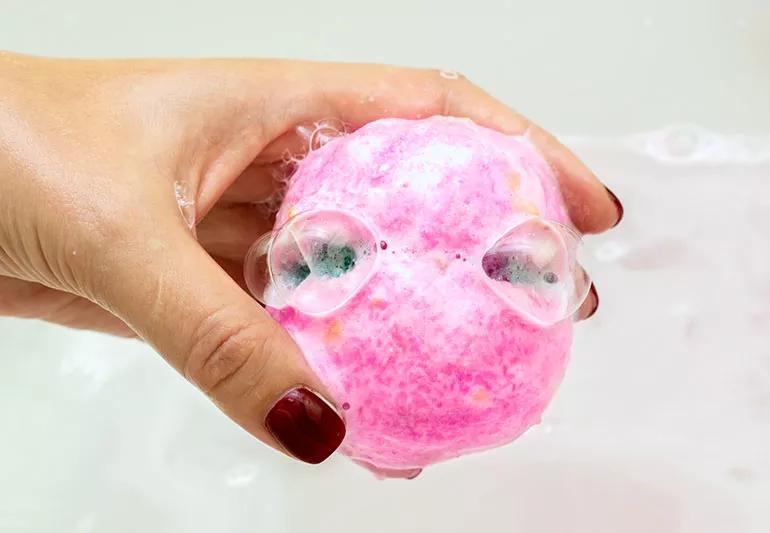
Image content: This image is available to view online.
View image online (https://assets.clevelandclinic.org/transform/addf7973-ced4-4291-ab72-240d7fd3e3c1/bath-bomb-1053942906_jpg)
Woman holding a bath bomb
Bath bombs — those fizzy, scented “party in a bath” additives — are a huge hit, especially with kids. You can buy them everywhere, from dollar stores to high-end department stores. And kids are scouring YouTube for videos on how to make bath bombs. (Because DIY slime is sooo last month.)
Advertisement
Cleveland Clinic is a non-profit academic medical center. Advertising on our site helps support our mission. We do not endorse non-Cleveland Clinic products or services. Policy
Bath bombs may be fun for kids and adults alike. But is soaking in a tub that’s been “bombed” safe for your skin?
According to dermatologist Alok Vij, MD, bath bombs are made using a combination of baking soda and citric acid. When mixed with water, those ingredients generally neutralize each other. But bath bombs may contain other substances that can potentially harm your skin, including:
There aren’t any bath bombs that are totally safe, particularly for people with sensitive skin. Sadly, the size of the bath bomb doesn’t really matter — smaller bombs can have concentrated amounts of potential allergens.
Not all skin is created equal. For some people, a bath bomb is a sensual delight. For others, it’s a recipe for discomfort. The most common signs that your bath bomb is wreaking havoc on your skin include:
These telltale signs often first show up in skin creases (think behind the knees, or in the groin area) where the harmful substances linger because of the skin-on-skin contact. But for people with known skin sensitivity, these signs may declare themselves on any part of the skin that was submerged in bath water.
Advertisement
“Don’t be fooled by ‘natural ingredients.’ They can also play mischief with your skin,” says Dr. Vij. “For example, common bath bomb ingredients include witch hazel, an astringent that can cause dryness, or cocoa butter, which can fuel the growth of yeast.”
Sometimes, bath additives such as bath bombs and even bubble bath can affect the body’s pH balance. For women and girls, changing the pH of the vagina and surrounding areas can alter bacterial flora and possibly lead to irritation or, worse, a yeast infection. (A not-fun price to pay for a few minutes of fizzy bath glory.)
Dr. Vij suggests those who are allergic to ingredients in bath bombs avoid them altogether. “However, if people don’t have a history of atopic dermatitis (commonly called eczema) or a known history of sensitivity to fragrances or dyes — the occasional bath bomb is fine. But I recommend staying in the water just until fingers and toes start to prune up,” says Dr. Vij. “That’s different for everyone, but usually 10 to 15 minutes is enough time.”
And rinse off after the bath to remove the residual chemical layer.
“The longer you’re exposed to chemicals and known allergens, the more likely you are to develop an allergy,” says Dr. Vij. “My daughters love bath bombs, but I remind them to take a nice rinse to clean off their skin and keep it healthy after they’ve soaked.”
Advertisement

Sign up for our Health Essentials emails for expert guidance on nutrition, fitness, sleep, skin care and more.
Learn more about our editorial process.
Advertisement
Antibacterial soap hasn’t been shown to be any more effective at killing germs than regular soap and water

Your dollar bills, coins and cards are covered in germs — but they’re very unlikely to make you sick

It’s a great disinfectant for around your home, but not for your skin

Bathing once a day is the general guidance, but you could also have reasons to soap up twice a day or not at all
You’re sharing your sheets with dust mites, bacteria and lots of dead skin, so you’ll want to keep your bedding fresh
You may notice itching, redness and swelling after wearing or using laundered items
An icy blast may boost mental clarity, increase circulation and give your skin a little glow — but don’t overdo it

Researchers found potentially harmful germs on 95% of wristbands

Managing your weight through physical activity may lower your chances of getting this common cancer
It typically starts in October and winds down in early spring, with cases at their highest in the middle of winter

Anxiety disorders, health conditions and past trauma can make driving nerve-wracking — help is available
 Search










