Locations:


The lean meat can be a good source of proteins, B vitamins and minerals

Image content: This image is available to view online.
View image online (https://assets.clevelandclinic.org/transform/2c26a740-f45b-4068-9ba5-45ce97acfcdd/carving-turkey-2294115889)
Person carving a large turkey set amongst holiday dishes on a big dining table
It’s the holidays, and there’s a grand feast laid out on the dining room table, including a golden turkey and all the fixings.
Advertisement
Cleveland Clinic is a non-profit academic medical center. Advertising on our site helps support our mission. We do not endorse non-Cleveland Clinic products or services. Policy
As you pile your plate high, you may wonder: Is turkey good for you?
The good news is that turkey is packed with protein, B vitamins and essential minerals that support everything from muscle health to immune function. But some factors, like how you prepare your bird, may increase its calorie, fat and sodium content.
Registered dietitian Julia Zumpano, RD, LD, carves out some time to explain turkey’s health benefits and what to consider before filling your plate.
A 3-ounce serving of roasted turkey meat with no skin contains:
Eating turkey skin adds about 30 more calories and 3 grams of additional saturated fat, which can increase cholesterol levels if eaten in excess.
“The holidays are a great time to shave down on saturated fat and calories when you can, since they are abundant in holiday dishes,” says Zumpano. “If you want to eat turkey with the skin, be mindful of other ways that you can cut back on saturated fat, like limiting butter, cheese or fatty meats.”
Turkey also contains vitamins and minerals, such as:
Advertisement
Roasted turkey and lean ground turkey are your best nutritional bets. Processed options like deli turkey, turkey bacon and turkey sausage tend to be high in sodium (salt).
“A diet high in salt may lead to high blood pressure,” warns Zumpano. “It can also put a strain on your kidneys.”
Though the research around turkey is limited, turkey has vital nutrients that may benefit your health. Let’s learn more.
Your body needs protein to help build and repair your muscles. And turkey can be a good way to hit your daily protein goals — a 3-ounce serving will give you about 24 grams of protein.
The exact amount of protein you need depends on factors like your age, gender, muscle mass and activity level.
Protein can also help with:
“Eating a diet with variety, like by including turkey and other lean meats, fish and plant proteins, can help you get enough protein each day,” says Zumpano.
The B vitamins found in turkey offer an assortment of potential health benefits. They include:
Advertisement
“B vitamins support energy production and metabolism, key component to keeping your body functioning at its prime and keeping you feeling energized,” says Zumpano.
In addition to vital B vitamins, turkey contains minerals that can support your health. Key standouts include:
If you’re roasting a turkey, there are a few things you can do to make it a healthier option.
Advertisement
You can gobble up some turkey beyond Thanksgiving. You can freeze the leftovers to have for sandwiches, soups, salads and casseroles. Ground turkey can also be a great option for burgers and meatballs.
“Turkey is a great option for lean protein any time of the year,” says Zumpano.
Advertisement

Sign up for our Health Essentials emails for expert guidance on nutrition, fitness, sleep, skin care and more.
Learn more about our editorial process.
Advertisement
The tiny cousins of blueberries are packed with antioxidants

This tiny fruit offers fiber and vitamin A in a sweet-tart little package
Look for options that have protein, fiber and healthy fats

Don’t underestimate the power of a pause
From sauerkraut to kimchi, these foods can help keep your gut healthy

This famously funky-smelling fruit is packed with fiber, vitamins and minerals
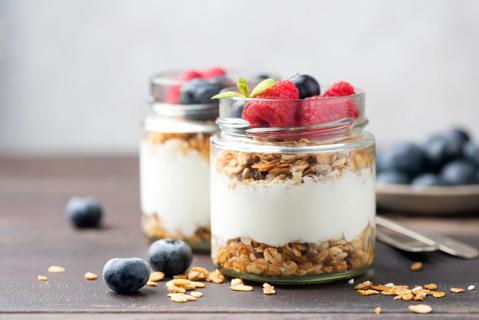
Choosing snacks with protein can help curb hunger, support muscle health and keep your energy steady between meals
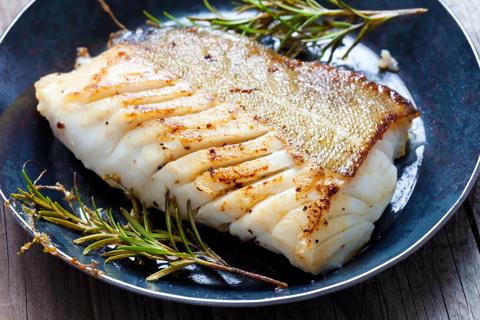
Fish packs plenty of protein, heart-healthy fats and other body-boosting nutrients into every bite
This low-impact activity could boost your cardiorespiratory health

The advice dates to 1574, but it falls a little short given what we know today

Most tongue pain isn’t too serious, but seek help if it’s severe or lasts longer than a few weeks
 Search