Locations:


The tiny cousins of blueberries are packed with antioxidants
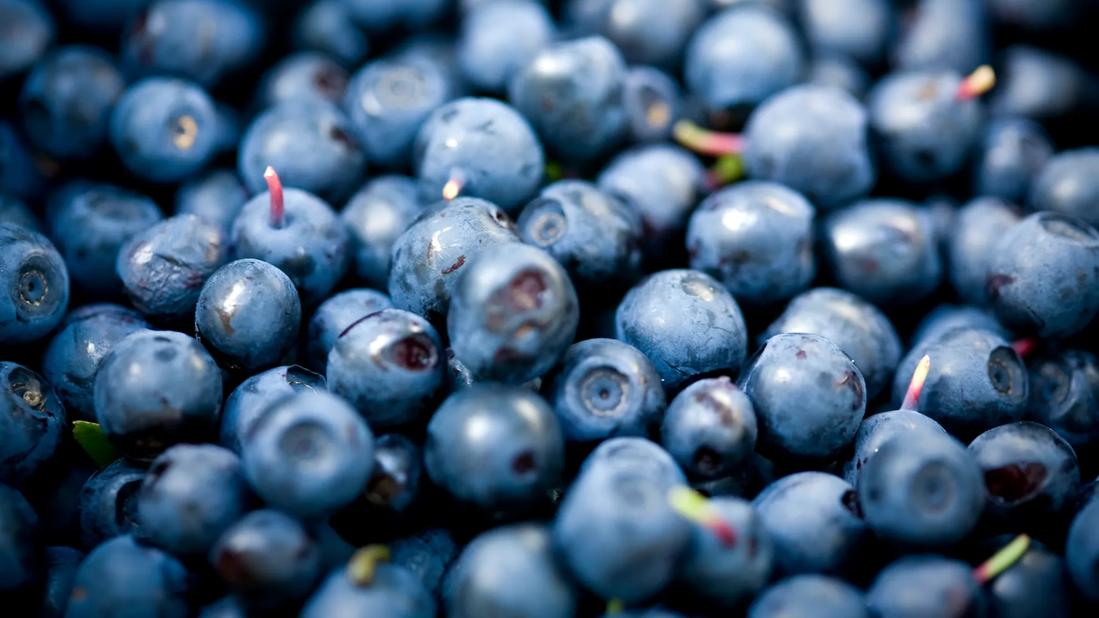
Image content: This image is available to view online.
View image online (https://assets.clevelandclinic.org/transform/facd535d-ac71-4196-9b94-5ac0d6574533/bilberries-95509153)
Fresh, whole bilberries
A bilberry and a blueberry can be easy to mix up. They may look alike, but they’re not quite the same. Think of them as cousins — similar, but each with its own unique qualities.
Advertisement
Cleveland Clinic is a non-profit academic medical center. Advertising on our site helps support our mission. We do not endorse non-Cleveland Clinic products or services. Policy
While research on bilberries is limited, there’s plenty to like — they’re a good source of fiber and have certain antioxidants that can benefit your health.
So, should you give them a try? Registered dietitian Beth Czerwony, RD, LD, explains what you need to know about the tiny fruit.
Also known as European blueberries, bilberries are grown on shrubs across northern areas of Europe, Canada and the United States. In addition to being a food, bilberries have been popularly used to dye certain materials, like linen and paper.
They also have a history of being used for medicinal purposes — most notably, they’ve been thought to improve night vision. But those claims haven’t been proven with scientific research.
You may be able to find frozen or dried bilberries online or at your local grocery store or specialty market.
Both bilberries and blueberries come from the Vaccinium plant family.
But there are some slight differences in their appearance. While both types of berries are blue, bilberries have darker blue exterior. Their insides also differ — blueberries are yellow or white, while bilberries are a dark red or purple. And bilberries tend to be smaller than blueberries.
As for the taste, bilberries are tangy, while blueberries are sweet and mild. Both can be eaten fresh or used in recipes, such as smoothies or jams.
Advertisement
The United States Department of Agriculture (USDA) doesn’t list bilberries in its food database, so we don’t have exact nutritional information for the fruit.
But it may be similar to blueberries. This means bilberries may be low in calories and a good source of fiber. And they may contain essential nutrients, like:
Czerwony shares how else bilberries may benefit your health.
Bilberries get their deep blue color from anthocyanins. Along with other antioxidants found in bilberries, like vitamin C and polyphenols, they work to protect your cells from free radical damage.
This may benefit your health by:
More research is still needed. But a small, preliminary study shows that eating fresh bilberries may help increase insulin secretion and improve A1C levels.
“Your A1C levels can help healthcare providers determine if you have prediabetes, Type 2 diabetes or show how well your blood sugar management strategies are working,” explains Czerwony.
The antioxidants found in bilberries may also help your heart.
A small study showed that over eight weeks, 35 people who consumed daily amounts of various berries, like bilberries, saw an improvement in their blood pressure and HDL (“good”) cholesterol numbers.
Advertisement
“Since that study used different types of berries, it’s difficult to pinpoint bilberries’ specific effects,” notes Czerwony. “More research is needed to fully understand the relationship between bilberries and your heart health.”
Eating bilberries should be safe for most people. But leave the leaves alone. Czerwony says that this part of the bilberry shrub is poisonous.
And if you’re considering using a bilberry supplement or drinking bilberry tea, Czerwony recommends talking to a healthcare provider first. Supplements aren’t regulated by the U.S. Food and Drug Administration (FDA). That makes it harder to know exactly which ingredients — and what concentration — are being used in a product.
“As we don’t have enough research on bilberries, using a bilberry supplement may not be recommended for some individuals,” she stresses.
That may include:
“Bilberry may interact with anticoagulants and lead to excessive bleeding,” warns Czerwony. “Be sure to discuss eating bilberry or taking a supplement with bilberry with your doctor first.”
You can use bilberries in many of the ways you’d use blueberries. Try using them:
Advertisement
“You can also use bilberries as a topping on your salads and yogurt,” suggests Czerwony.
Bilberries are the smaller, intensely colored cousins of the everyday blueberry that are a good source of antioxidants. But remember, bilberries haven’t been conclusively shown to treat or prevent any particular health condition.
“It’s still worth trying bilberries,” encourages Czerwony. “They can be healthy addition to an otherwise well-balanced diet.”
Advertisement

Sign up for our Health Essentials emails for expert guidance on nutrition, fitness, sleep, skin care and more.
Learn more about our editorial process.
Advertisement
This tiny fruit offers fiber and vitamin A in a sweet-tart little package

Look for options that have protein, fiber and healthy fats

Don’t underestimate the power of a pause
From sauerkraut to kimchi, these foods can help keep your gut healthy

This famously funky-smelling fruit is packed with fiber, vitamins and minerals
Choosing snacks with protein can help curb hunger, support muscle health and keep your energy steady between meals
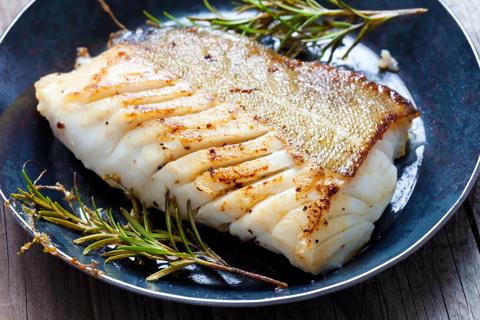
Fish packs plenty of protein, heart-healthy fats and other body-boosting nutrients into every bite

The best choices are high in omega-3s and protein and low in mercury

This low-impact activity could boost your cardiorespiratory health

The advice dates to 1574, but it falls a little short given what we know today

Most tongue pain isn’t too serious, but seek help if it’s severe or lasts longer than a few weeks
 Search