Locations:





This once-common treatment for arthritis is regaining popularity in the United States
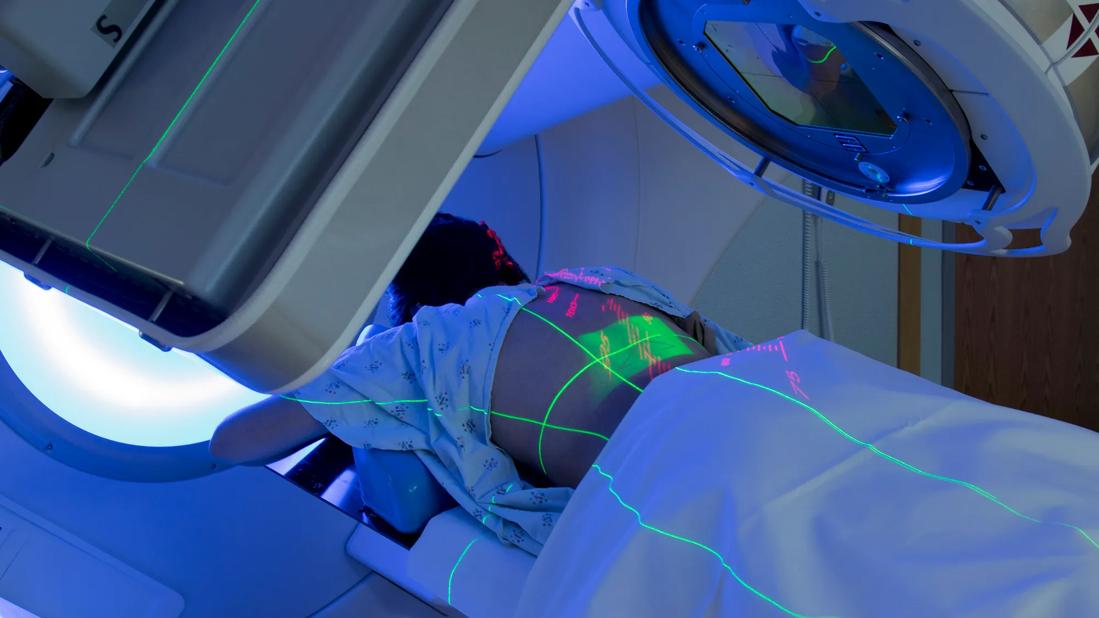
Image content: This image is available to view online.
View image online (https://assets.clevelandclinic.org/transform/56290e65-3768-4448-bc87-a05430d62b2c/radiation-therapy-502615778)
Person receiving radiation therapy
If you’ve been living with osteoarthritis, you know it can wear you down. And while pain medications and joint replacement surgery work well for some people, they’re not for everyone. Fortunately, a once-popular treatment option is gaining traction again: low-dose radiation therapy.
Advertisement
Cleveland Clinic is a non-profit academic medical center. Advertising on our site helps support our mission. We do not endorse non-Cleveland Clinic products or services. Policy
Radiation therapy is often thought of as a treatment for cancer. But it’s been used for decades to treat arthritis and other benign (noncancerous) conditions. And experts are now returning their attention to it.
We talked with radiation oncologist Rahul Tendulkar, MD, to learn how low-dose radiation is being used for osteoarthritis symptoms and who might benefit most.
High doses of radiation can be used to kill cancer cells. But for people with arthritis, lower doses of radiation can help lower inflammation and relieve pain without damaging healthy tissue.
“This approach fell out of favor for a while in the United States several decades ago, as other treatments became widely available, like anti-inflammatory medications,” Dr. Tendulkar explains. “Now, there’s growing interest again.”
Low-dose radiation has been used more commonly in Europe for arthritis relief. Doctors in Germany developed the treatment protocols that serve as the basis for the practice in the U.S.
“It’s not a cure for arthritis,” he continues, “but it can manage the inflammatory process and lead to meaningful pain relief.”
Low-dose radiation therapy isn’t for everyone — and it’s not a first-line treatment. It’s mainly being explored for people who fall into what Dr. Tendulkar calls the “middle ground”— people with osteoarthritis who haven’t responded to medications but aren’t quite ready or able to have joint replacement surgery.
Advertisement
“It’s a great option for patients who can’t take anti-inflammatory drugs due to ulcers, kidney problems or other conditions,” he adds. “It may also help people who want to avoid surgery or delay it for as long as possible.”
Right now, the treatment is typically reserved for people with arthritis in their joints, including their:
Why? Joints are easier to target with radiation without risk of affecting nearby organs. Older adults with osteoarthritis in other areas, like their hips or spine, may be candidates in select cases.
It’s not used for rheumatoid arthritis or psoriatic arthritis.
Understandably, some people feel nervous when they hear the word “radiation.” That’s because exposure to radiation can be a risk factor for developing cancer later on. That’s especially true in younger people, as secondary cancer from radiation is slow to develop, typically emerging 10 years or more after treatment.
But because the dose of radiation used for arthritis is so small, the risk of developing cancer from low-dose radiation is understood to be extremely low.
Consider this: If you’re getting radiation for breast cancer, a typical dosage is 40 to 50 units (these units are called “Gray”). Prostate cancer uses 70 to 80 units. A typical dose of radiation for arthritis? Just 3 units.
“We always weigh the risks and benefits, especially in younger patients. But for older adults, the safety profile is very reassuring,” Dr. Tendulkar says.
Low-dose radiation therapy has shown a lot of promise.
“In one recent trial, about 70% of patients who received radiation saw a drop in their knee pain, compared to about 40% in the placebo group,” Dr. Tendulkar reports. “That’s a meaningful difference.”
People are typically reassessed about three months after treatment. If they don’t see results, a second round of radiation may help. And if pain returns years later, some may be eligible for re-treatment.
The process is fast and painless. Here’s what to expect:
“You’re not radioactive, and you won’t feel anything during treatment,” he clarifies. “It’s a lot like getting an X-ray.”
Advertisement
Low-dose radiation therapy isn’t a replacement for traditional arthritis treatments — but it may offer relief for people stuck between medications that don’t work and surgery they’re not ready for.
“It’s a promising tool,” Dr. Tendulkar says. “And for the right people, it could make a big difference in quality of life.”
Radiation is becoming increasingly popular for treating arthritis, but it hasn’t caught on everywhere. Talk with your healthcare provider about whether it’s an option for you.
Advertisement

Sign up for our Health Essentials emails for expert guidance on nutrition, fitness, sleep, skin care and more.
Learn more about our editorial process.
Advertisement

Exercise, nutrition, assistive aids and different therapies are all forms of self-care when you’re living with this degenerative disease
An expert explains the potential benefits

Consider the severity and location of your arthritis to decide on the right support
This breathing technique can help protect your heart during treatment for certain types of cancer

Your care team can help you manage the side effects of surgery, chemo and radiation — but you have to let them know what you’re experiencing

Yes, your genetic makeup may increase your risk of developing arthritis, but other factors like age and weight can play a role, too

Arthritic knees can benefit from bridging, mini squats, balancing exercises and other stretches

Swimming, cycling and walking can help keep your hips strong and mobile

Managing your weight through physical activity may lower your chances of getting this common cancer

It typically starts in October and winds down in early spring, with cases at their highest in the middle of winter

Anxiety disorders, health conditions and past trauma can make driving nerve-wracking — help is available
 Search










