Locations:


Their antioxidants and healthy fats can help lower the risk of chronic diseases, build bones and prevent weight gain
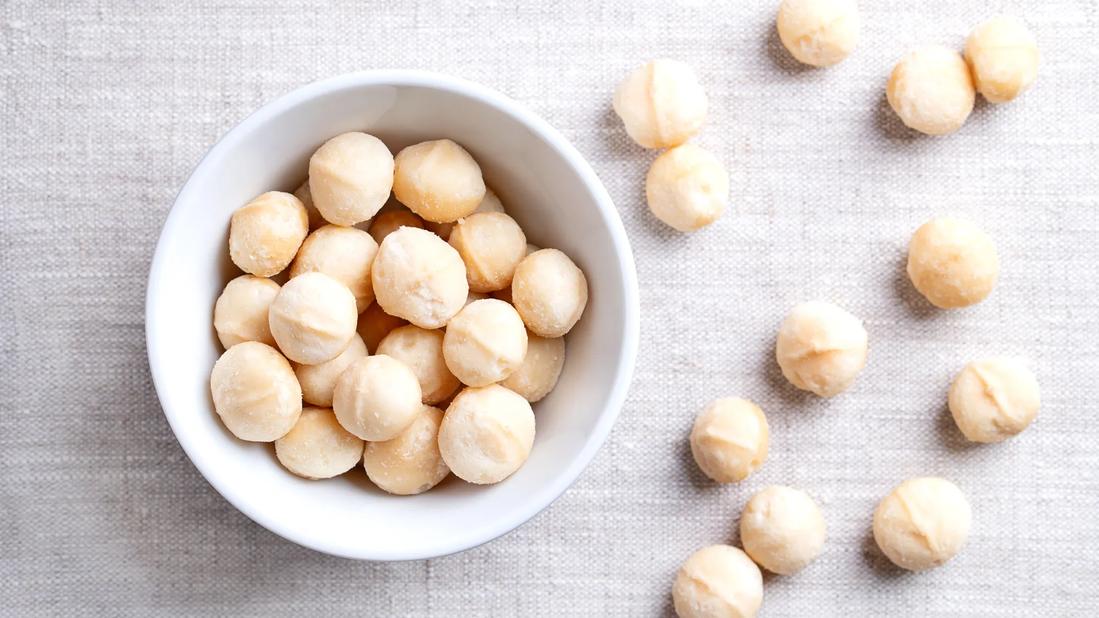
Image content: This image is available to view online.
View image online (https://assets.clevelandclinic.org/transform/d8c12007-4e2c-4bb6-a6e4-c5666bf69a42/macadamia-nuts-2180974081)
White bowl of whole, shelled macadamia nuts, with a few scattered on table
Macadamia nuts may not be everyday pantry staples like some other nuts, but their creamy, mild flavor offers a welcome change from the usual selection. Macadamia nuts originated in Australia, but they’re a popular crop in Hawaii and other areas worldwide.
Advertisement
Cleveland Clinic is a non-profit academic medical center. Advertising on our site helps support our mission. We do not endorse non-Cleveland Clinic products or services. Policy
“These tree nuts are known for their silky texture and high fat content,” says registered dietitian Julia Zumpano, RD, LD. “They’re full of healthy fats, fiber and other beneficial nutrients.”
A 1-ounce serving of macadamia nuts (about 10 to 12 nuts) contains:
One ounce of macadamia nuts also provides these vitamins and minerals:
“A single food can’t prevent or cure a disease, but macadamia nuts have nutrients that are great for your bones, heart and metabolic health,” says Zumpano. “They’re full of healthy fats and antioxidants.”
Zumpano shares five top macadamia nut benefits.
“Macadamia nuts are an excellent addition to a heart-healthy diet,” says Zumpano. “They contain polyphenols and monounsaturated fats — healthy fats that may reduce the risk of developing coronary artery disease (CAD) in people living with high cholesterol.”
High cholesterol is one of the primary risk factors for peripheral artery disease (PAD), stroke and other cardiovascular conditions. Studies show that macadamia nuts can lower your risk of cardiovascular disease and help lower total cholesterol and LDL (“bad”) cholesterol.
Advertisement
Antioxidants neutralize damage caused by too many free radicals in your body. It’s healthy to have some free radicals, but if levels go unchecked, they can wreak health havoc. They cause oxidative stress throughout your body that may lead to damaging inflammation.
Your body makes some antioxidants, but you get most of what you need from food. Macadamia nuts supply several potent antioxidants, like:
Antioxidants are anti-inflammatory, and the flavonoids in macadamia nuts have powerful inflammation-lowering properties. Antioxidants can also help reduce your risk of heart disease and other conditions, including:
Elevated blood sugar or Type 2 diabetes harms organs, nerves and other areas of your body.
“Diabetes raises your risk of heart disease and may lead to serious complications like blindness and kidney failure,” shares Zumpano. “It’s also associated with a higher risk of dementia, heart attack and stroke.”
Preventing high blood sugar (or managing blood sugar well if you have diabetes) is one of the best things you can do for your health. Research shows that eating plenty of monounsaturated fats — found in macadamia nuts — reduces the risk of complications from Type 2 diabetes.
“When we think of bone health, we usually think of calcium,” notes Zumpano. “However, calcium is just one of the nutrients your body needs to build and maintain strong bones.”
Bone health nutrients in macadamia nuts include:
“Macadamia nuts provide protein, fiber and healthy fats, all of which help you stay full and can prevent overeating,” says Zumpano. “These nutrients move more slowly through your digestive system than sugars and carbs. They keep your blood sugar from spiking, which also helps you feel full.”
“The most serious potential side effect of macadamia nuts is an allergic reaction,” says Zumpano. “If you have known tree nut allergies, you should avoid macadamia nuts.”
And if you’re watching your calorie intake, keep an eye on your macadamia nut serving sizes. These nuts are packed with healthy fats, but this makes them calorie-dense. Just a dozen nuts contain around 200 calories, so they may be better as a topping on other foods instead of a standalone snack.
Another reason to eat them in moderation: They’re pricey compared with other nuts.
Advertisement
Macadamia nuts hold up well when cooked, and they’re a delicious substitute for other nuts in cookies, brownies and other baked goods. You can crush them and sprinkle them on salads or try them blended into a protein-rich creamy garlic dressing.
Advertisement

Sign up for our Health Essentials emails for expert guidance on nutrition, fitness, sleep, skin care and more.
Learn more about our editorial process.
Advertisement

This East Asian and subtropical fruit is packed with delicious nutrition
Lean meats, fish, dairy and plant proteins can help you meet your protein needs without piling on saturated fat and sugar

This citrus fruit delivers vitamin C, fiber and other nutrients that can support your heart, immune system and skin

Protein is essential in your diet, but piling more onto your plate isn’t always better

Both are healthy choices, but wild-caught salmon offers a few more benefits

This vibrant purple yam offers vitamin C, fiber and antioxidants in every bite
These bright berries are packed with nutrients and antioxidants that may support your eyes, immune system and overall well-being

The general rule is 1.2 to 1.6 grams of protein per kilogram of body weight — but that may not be exactly right for you

Managing your weight through physical activity may lower your chances of getting this common cancer

It typically starts in October and winds down in early spring, with cases at their highest in the middle of winter

Anxiety disorders, health conditions and past trauma can make driving nerve-wracking — help is available
 Search