Locations:





For fresher breath in the a.m., practice good oral hygiene, including flossing your teeth and scraping your tongue
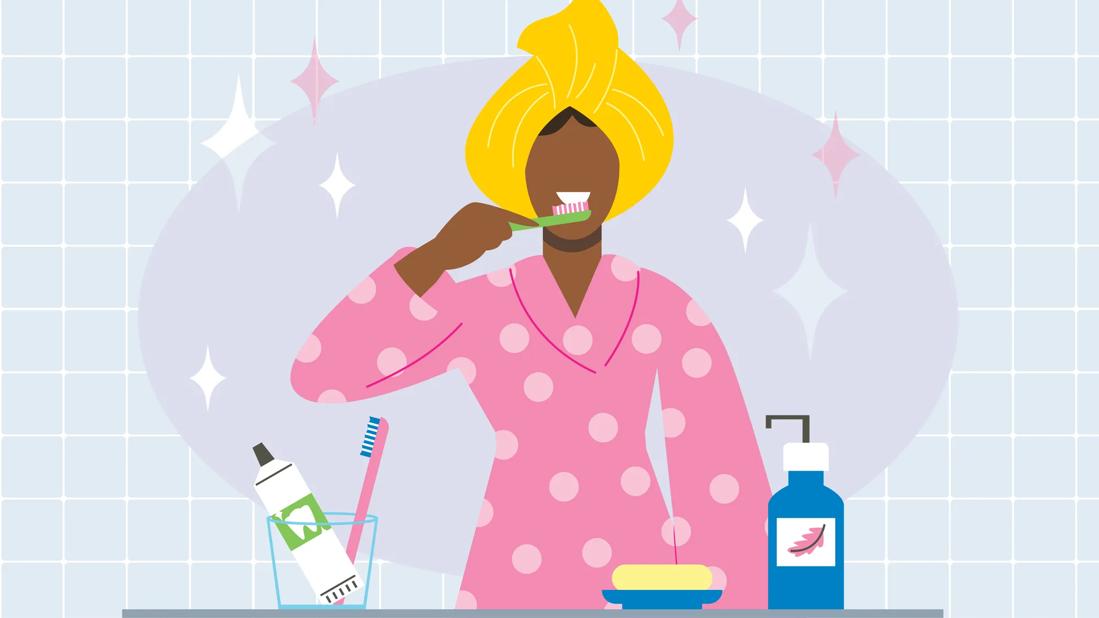
Image content: This image is available to view online.
View image online (https://assets.clevelandclinic.org/transform/bd93da0e-a772-4121-9c2f-7734c6db0956/person-brushing-teeth-1474964830)
Person in robe, hair wrapped in a towel, brushing their teeth at bathroom sink
Waking up with breath that could knock over a houseplant? You’re not alone. Morning breath is completely normal — but that doesn’t mean you have to live with it.
Advertisement
Cleveland Clinic is a non-profit academic medical center. Advertising on our site helps support our mission. We do not endorse non-Cleveland Clinic products or services. Policy
Beyond being embarrassing, persistent bad breath can sometimes point to health issues that need attention. Fortunately, there’s plenty you can do to wake up fresher.
“Morning breath just means you’re human,” says registered dental hygienist Denise Stepka, RDH. “But that doesn’t make it any less annoying.”
Stepka explains why it happens and how to keep it under control.
Morning breath is the unpleasant smell many people notice first thing in the morning. It happens when your mouth dries out overnight, allowing bacteria to multiply. As bacteria break down leftover food particles, they release smelly (and sometimes sulfur-like) compounds that linger in your mouth.
“Your mouth at night is like a closed gym,” Stepka illustrates. “No air flow, no cleaning crew, just bacteria growing and releasing odors.”
Saliva plays a major role in preventing morning breath. During the day, saliva helps wash away food particles and bacteria. But when you’re sleeping, saliva production naturally slows down, leaving bacteria free to multiply.
While bacteria are the main cause, several factors can make the problem worse:
Advertisement
“Brushing and flossing before bed helps,” says Stepka. “But your mouth naturally dries out overnight, giving bacteria the upper hand.”
If your breath stays bad even after brushing, something more serious could be going on. Issues like gum disease, cavities or chronic dry mouth can lead to persistent bad breath.
“In many cases, these issues feed into each other,” Stepka explains. “Dry mouth lets bacteria build up, and that buildup makes dryness worse. It’s a tough cycle to break.”
If brushing and flossing aren’t enough, check in with a dentist. They can help identify what’s causing the problem.
The good news? Morning breath is manageable. Healthy daily habits make a big difference.
Looking for a fast way to freshen up? Try these habits:
Your tongue’s rough surface makes it a perfect home for bacteria. Regular tongue scraping removes buildup that brushing alone might miss, reducing odors and improving overall oral health.
To keep morning breath from coming back, build these habits into your daily routine:
If you’re brushing, flossing and staying hydrated but still struggling, it’s time to see a dentist.
“Morning breath is normal,” reiterates Stepka. “But if you’re doing everything right and your breath still won’t stay fresh, don’t ignore it. Your dentist can help figure out what’s going on.”
They’ll check for gum disease, cavities and other possible causes. With the right care plan, you can wake up feeling fresher — and more confident — every day.
“A healthy mouth is a key component of overall wellness,” says Stepka.
Advertisement

Sign up for our Health Essentials emails for expert guidance on nutrition, fitness, sleep, skin care and more.
Learn more about our editorial process.
Advertisement

Bad breath can smell foul, fruity, sour, fishy or even metallic — the scent may offer clues about what’s causing it

These common mouth sores are very different — cold sores are caused by a virus and are contagious, but canker sores aren’t

This medicated liquid is available by prescription only and is specially formulated for your specific needs
Lots of things can activate the herpes simplex virus, from the common cold and cold weather to cracked skin and cosmetic procedures
This oral health practice doesn’t have proven benefits, and it’s not a substitute for brushing and flossing

Prescription oral antivirals are your best bet, but OTC creams can help, too
Stay hydrated, use a humidifier and try sugar-free candies or over-the-counter products with xylitol
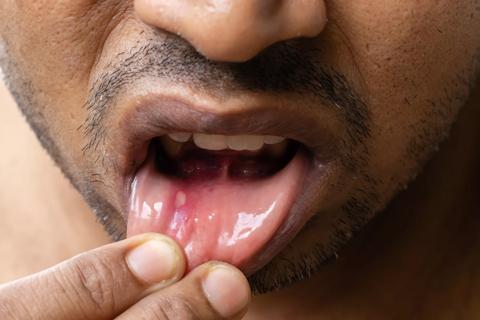
Non-cancerous ulcers usually heal within a few days or weeks — if it’s sticking around, it’s time to get it checked

Managing your weight through physical activity may lower your chances of getting this common cancer

It typically starts in October and winds down in early spring, with cases at their highest in the middle of winter

Anxiety disorders, health conditions and past trauma can make driving nerve-wracking — help is available
 Search










