Locations:





Breaks in training routines can help limit the wear and tear from repetitive stress
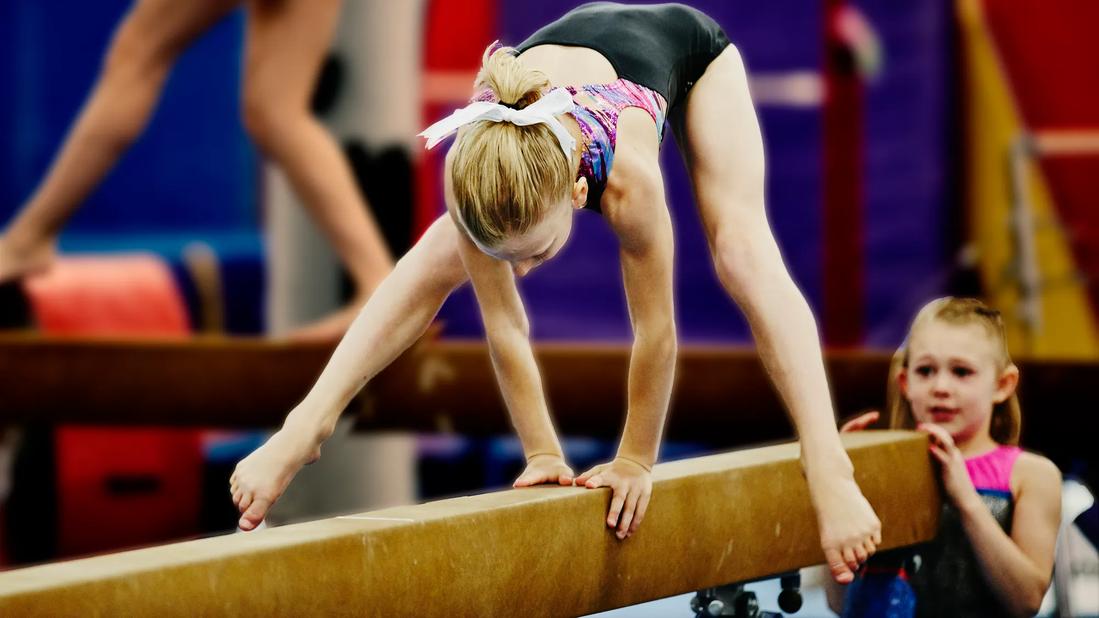
Image content: This image is available to view online.
View image online (https://assets.clevelandclinic.org/transform/1cdc7f94-fbc5-4861-b867-49f34c235363/teen-gymnast-handstand-balance-beam-642805763)
Young gymnast performing on balance beam
Young athletes who specialize in one sport often view their dogged training as a route to athletic success. But the intense workload often leads to another destination: A doctor’s office.
Advertisement
Cleveland Clinic is a non-profit academic medical center. Advertising on our site helps support our mission. We do not endorse non-Cleveland Clinic products or services. Policy
Overuse injuries account for more than 50% of medical visits by young athletes. Study after study shows that repetitive stress from focused year-round training puts children at greater risk of getting hurt.
So, how can you keep your child injury-free and in the game as they chase after goals? Let’s put a playbook together with sports medicine specialists Molly McDermott, DO, and Paul Saluan, MD.
Video content: This video is available to watch online.
View video online (https://cdnapisec.kaltura.com/p/2207941/sp/220794100/playManifest/entryId/1_093l3rqh/flavorId/1_5f3sgelj/format/url/protocol/https/a.mp4)
Do something once, like throw a baseball, and your body barely notices. But do it 10,000 times over months or years of relentless training, and you begin to learn the true meaning of wear and tear.
Repeating the same movement again and again stresses affected muscles, tendons and even bones, says Dr. Saluan. That’s a reality that makes one-sport athletes particularly vulnerable to injury.
“You have kids who live, sleep and breathe a sport — and they’re paying a price,” he states.
But while training volume is a driving force behind overuse injuries, it’s not the only factor putting young athletes on the injured list. Other contributing causes include:
Advertisement
Overuse injuries in young athletes can affect nearly any part of their body from head to toe. These injuries — which cut across many sports — are among the most common.
How can you tell if your young athlete is pushing their training a little too far? Signs of potential overuse injuries include:
“Sometimes, young athletes won’t be open about how they’re feeling because they’re worried about being shut down — and that can be challenging,” recognizes Dr. McDermott. “Trust your gut if you sense that something is off.”
The best defense against overuse injuries can be summed up in three words: Take time off.
A three-month break is recommended for young athletes focused on a single sport, says Dr. Saluan. Stepping away from the activity allows the body — specifically, overtaxed joints and muscles — time to recover.
But to be clear, the recommendation for a “break” isn’t a challenge to log 90 consecutive days on a couch. “Keep moving your body,” he advises. “Just move it differently.”
That means switching things up. If you’re a runner, maybe try swimming for a bit to lessen the pounding on your knees and ankles. (Vice versa, too.) Or just dedicate a few months to full-body weight training.
In the old days, that happened naturally as young athletes moved from sport to sport with the seasons. The pattern minimized overuse injuries because different activities work different areas of the body.
“But by focusing on just one sport, the concern is that these young athletes are accelerating joint degradation,” says Dr. Saluan. “There’s a fine line between being active and healthy and overdoing it.”
The in-season grind of training and competition can make young athletes more susceptible to overuse injuries. Encouraging kids to follow these tips may offer some defense, says Dr. McDermott.
Advertisement
“The idea is to build a mentality that recovery and taking care of your body are key parts of being an athlete,” she adds. “It’s not just about pushing through training. It’s about being ‘the best’ outside of that, too.”
Trying to push a young athlete through an overuse injury can lead to long-term damage. Joint degradation at an early age can set the stage for arthritis and chronic tendonitis years in the future.
Young athletes need to listen when their bodies communicate through pain, stiffness or soreness. What seems like a small problem can quickly blossom into a more serious injury if ignored.
Advertisement
“Pain is not something that should be tolerated in young athletes,” states Dr. Saluan. “It’s a call for attention.”
Absolutely.
“Repetitive stress takes a toll on the body, especially at the growth centers of young athletes who are vulnerable to injury before skeletal maturity,” explains Dr. McDermott. “That’s a big reason we see so many overuse injuries in kids.”
Self-awareness is critical for athletes to avoid overuse injuries. Knowing when something feels off and — more importantly — taking steps to address it is key to staying healthy and in the lineup.
Taking time off isn’t always easy, given the pressure to succeed that often comes with sports.
“That’s where mindset comes in,” notes Dr. McDermott. “If we can start thinking of recovery and rest as part of being an athlete, we may be able to reduce overuse injuries and help kids stay healthy and fit.”
Or to put it another way: “The best way to deal with an overuse injury,” says Dr. Saluan, “is to stop it before it happens.”
Advertisement

Sign up for our Health Essentials emails for expert guidance on nutrition, fitness, sleep, skin care and more.
Learn more about our editorial process.
Advertisement

Swimming is an essential life skill — kids should start learning to swim by age 4
Let your little one’s enthusiasm and motivation fuel their interest in running, but don’t pile on miles too early
Participating in sports teaches kids life skills and can build self-confidence for the long haul
Protective equipment like sports cups can help avoid injury

It depends on how sick they were

An annual exam looking at heart health
Follow guidelines to limit pitches, rest between games
Plus, six ways to tell if it’s a broken bone
Eyes typically increase to full size during two growth spurts in childhood
To start, opt for calorie-dense foods that are rich in protein and healthy fats

Pre-birth injections and monoclonal antibodies can help prevent serious complications
 Search










