Locations:





Timing varies, but changes typically occur in the same order

Image content: This image is available to view online.
View image online (https://assets.clevelandclinic.org/transform/00e92836-63e3-43db-8307-e9b8ec5849cf/pubertyGirls-485603056-770x533-1_jpg)
Preteen girls gathering
Growing up is stressful enough for kids. When puberty arrives, it can add more stress and confusion in the form of unexpected (and maybe unwelcome) physical and emotional changes.
Advertisement
Cleveland Clinic is a non-profit academic medical center. Advertising on our site helps support our mission. We do not endorse non-Cleveland Clinic products or services. Policy
“All children go through emotional changes during puberty,” says pediatrician Veronica Issac, MD. “Some are affected more than others as estrogen and progesterone cycle through their bodies.”
Puberty is the stage of life that serves as a transition from childhood into adulthood. Your child’s body begins to develop and change due to hormonal fluctuations. As part of this, they’ll also go through the physical changes required to reach sexual maturity and be capable of reproduction.
Girls generally begin and end puberty about a year earlier than boys. Typically, girls start puberty between the ages of 8 and 13.
However, Dr. Issac notes girls who are Black and Hispanic tend to start puberty earlier than girls who are white — at age 7 1/2 instead of 8.
Social and school pressures, when combined with hormonal and body changes, can cause your child to start acting differently. Moodiness, emotional outbursts and conflict with parents or siblings are common. You should share any behavioral concerns with your doctor.
While puberty timing differs for each child, Dr. Isaac says physical changes always take place in the same order.
“Doctors will use a tool called Tanner Staging to track progress,” she says.
Advertisement
In girls, this is what the five stages of puberty look like:
This is a prepubescent stage and no changes have occurred.
Between ages 8 and 13, girls typically experience the following:
As girls move through this stage, typically between ages 9 and 14:
As girls go through this stage, usually between ages 10 and 15:
Development typically ends at this stage, as this represents reaching physical adulthood. Most attain their peak height by age 16.
Puberty typically ends anywhere from two to five years after it starts. Although some studies have shown that kids who start puberty earlier take longer to reach maturity, each child’s experience is different.
If your child starts puberty very late or doesn’t seem to be progressing through puberty, it’s worth mentioning to their doctor. “She may just be a late bloomer, especially if her mom was,” notes Dr. Issac.
However, it’s possible they might have hormonal or glandular problems. If your doctor suspects an underlying problem, they may refer your child to a specialist for testing.
Some girls experience what’s known as precocious (or early) puberty. Signs of this include:
If these happen, talk to your child’s doctor. Dr. Issac says simple testing can help determine the cause of early puberty. Common ones include:
Advertisement
If you’re worried that your child isn’t experiencing puberty in a typical way, talk to their doctor. They might opt to wait and monitor your child’s progress, or refer them to another doctor for tests. If needed, an endocrinologist can prescribe medication (such as a puberty blocker) to halt puberty until the appropriate time.
Advertisement

Sign up for our Health Essentials emails for expert guidance on nutrition, fitness, sleep, skin care and more.
Learn more about our editorial process.
Advertisement

Most children start kindergarten when they’re 5, but age isn’t the only factor that determines whether they’re ready

Reading to your child builds language skills, encourages bonding and readies them for school success

Around age 4, start talking to your child about what an emergency is and how to call emergency services
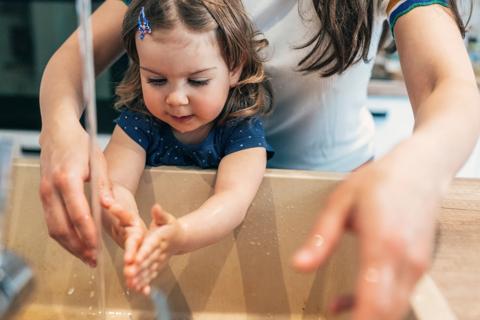
This child development strategy is all about meeting your child where they are

Tiny taste-testing is a way babies can explore their world, relieve aching gums and self-soothe

Start with a few minutes a day and work your way up to an hour or more to help your baby hit developmental milestones
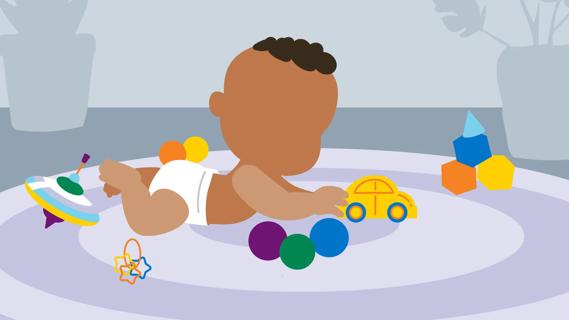
This important activity helps babies reach developmental milestones like rolling, sitting up and crawling
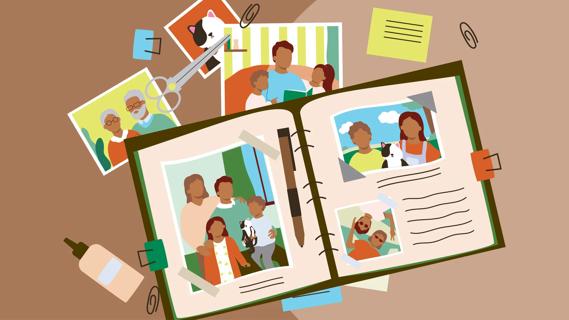
Being the oldest, youngest or middle child may affect characteristics and traits, but the theory isn’t an official medical or psychological diagnosis

Managing your weight through physical activity may lower your chances of getting this common cancer

It typically starts in October and winds down in early spring, with cases at their highest in the middle of winter

Anxiety disorders, health conditions and past trauma can make driving nerve-wracking — help is available
 Search










