Locations:





 Search
Keep your eyes peeled for sneaky sources of sodium

Most of us could probably stand to dial back our salt intake: According to the American Heart Association, the average American consumes twice the recommended amount per day.
Advertisement
Cleveland Clinic is a non-profit academic medical center. Advertising on our site helps support our mission. We do not endorse non-Cleveland Clinic products or services. Policy
“Cutting back on salt is important for everyone, even if they do not have a chronic condition like pulmonary hypertension ― but for those that do, it becomes essential,” says Mindy Rivera, CNS.
We need to consume at least some sodium ― it helps maintain a normal fluid balance in the body and is essential for muscle function (including the largest and most important muscle ― the heart).
But when too much sodium accumulates, the body holds onto water in an effort to dilute it. The amount of fluid surrounding our cells and the volume of blood in the bloodstream also increase, forcing the heart to work harder to pump blood throughout the body.
It also puts extra pressure on the blood vessels. Over time, this can increase risk for heart attack, stroke and heart failure.
If you have pulmonary hypertension, your heart is already working overtime to pump blood to your lungs through narrowed arteries.
“Extra salt intake causes the body to retain more fluid, and therefore further strains the heart to have to pump it through the body,” Rivera says. “This can lead to swelling in the legs and abdomen, and worsening shortness of breath.”
Reducing your sodium intake may help control symptoms and reduce your risk of future heart problems.
Advertisement
It’s important to understand that sodium and salt are not exactly the same thing. When most of us use the word salt, we’re referring to what we sprinkle on our food. Sodium is the chemical element in salt ― both table salt and sea salt are about 40% sodium by weight.
The American Heart Association recommends consuming no more than 1,500 mg of sodium per day ― that’s about three-quarters of a teaspoon of salt.
If you have pulmonary hypertension, your doctor can help you decide how much sodium is appropriate for your diet.
Going low-sodium doesn’t just mean being less generous with the salt shaker. Actually, your best defense is taking a metaphorical magnifying glass to the ingredient labels at the grocery store.
“People often mistakenly believe that kicking the salt shaker is the only part of a low-salt diet,” Riviera says. “Unfortunately that isn’t true; most of our salt intake in America comes already in our foods.”
And it’s in places you might not suspect ― like the chicken you pick up from your grocery store.
“Often, fresh poultry has been injected or brined in a salt solution prior to packaging, which can make it a high-sodium food regardless of how carefully you prepare it,” she explains.
To avoid extra salt, read the packaging for clues like “sodium,” “broth” or “saline.”
Many other foods in your grocer’s aisles may be loaded with sodium, too. Check the sodium content before buying items like:
A low-salt diet does not have to be the end of tasty food. In fact, it can be an opportunity to buy less packaged food and experiment with new ingredients, recipes and cooking methods in your own kitchen.
It might be hard at first, but over time, your taste will evolve to prefer foods with lower sodium levels (yes, truly ― multiple studies show it).
Try jazzing up your food with:
You might have heard about salt substitutes, but check with your doctor before using them ― they could be dangerous for people with certain conditions.
It’s helpful to keep in mind why making this change to a lower-salt diet is important to you, whether that’s to eat healthier or feel less short of breath or stay out of the hospital, Rivera says.
“It’s also important to recognize that decreasing your salt intake in a sustainable way probably won’t happen overnight,” she says. “Progress is key.”
Advertisement
Sign up for our Health Essentials emails for expert guidance on nutrition, fitness, sleep, skin care and more.
Learn more about our editorial process.
Advertisement

Here how to do it safely
A rare gene mutation may increase your risk for the disorder

Allergies, postnasal drip, asthma or reflux could be to blame for a cough that won’t quit

Certain supplements, like licorice root and St. John’s wort, can raise your blood pressure or negatively interact with medication
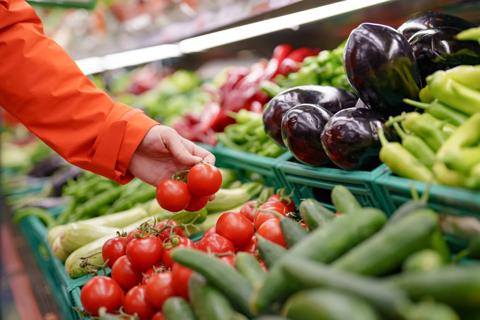
Foods high in potassium, calcium and vitamins C and E can help lower your blood pressure

‘Walking pneumonia’ is milder and doesn’t always require medication — but it’s also highly contagious

Wearing a scarf, adjusting your outdoor activities and following your asthma treatment plan can help limit breathing problems

Vaping exposes you to thousands of chemicals, including many that are known to cause cancer and lung disease
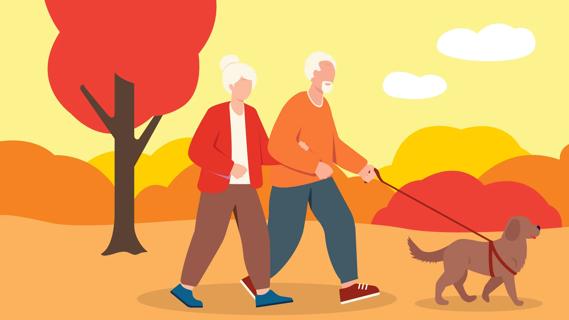
Even small moments of time outdoors can help reduce stress, boost mood and restore a sense of calm

A correct prescription helps your eyes see clearly — but as natural changes occur, you may need stronger or different eyeglasses

Both are medical emergencies, but they are very distinct events with different causes











