Locations:





When baby teeth get damaged, these procedures can relieve pain and save space for adult teeth

Image content: This image is available to view online.
View image online (https://assets.clevelandclinic.org/transform/95b30157-39be-4292-a48e-d20d99e10dcf/dentist-examines-child-teeth-2225008022)
Dentist examining a child's teeth
Root canal treatment might sound like something only adults need, but they’re fairly common in kids, too. Dentists often recommend one of two kinds of root canals — a pulpotomy or pulpectomy — to save badly damaged or decayed baby teeth and protect a child’s future smile.
Advertisement
Cleveland Clinic is a non-profit academic medical center. Advertising on our site helps support our mission. We do not endorse non-Cleveland Clinic products or services. Policy
So, what’s the difference between these two procedures? And what good do they do?
We talked with pediatric dentist Daniel Gindi, DMD, to get to the root of it.
To understand pulpotomies and pulpectomies, let’s start with a look at what’s inside your teeth. Beneath the hard outer layers of enamel and dentin is a soft core called the pulp. It contains nerves, blood vessels and connective tissue. The pulp is what keeps your teeth alive.
“Baby teeth have bigger pulp spaces than adult teeth,” Dr. Gindi explains. “Their enamel is thinner, too, so cavities don’t have far to go to hit the nerve. That’s why tooth decay can progress quickly in kids.”
When a cavity or trauma reaches the pulp, it can cause pain, inflammation or even infection. That’s when dentists consider treatments like pulpotomy or pulpectomy. They’re procedures to help save baby teeth.
A pulpotomy is a treatment that removes damaged or decayed pulp from the crown of the tooth (the part you can see above the gumline). The healthy pulp tissue in the root is left intact.
This approach works well when the problem area hasn’t spread beyond the crown. And it’s used mostly in baby molars, which have more pulp than other teeth.
The procedure can relieve your child’s tooth pain, and it keeps their baby tooth in place until it’s ready to fall out.
Advertisement
“Think of it like a partial root canal,” Dr. Gindi says. “They’re less invasive, and kids usually bounce back fast. Sometimes, they’re back in school the next day.”
A pulpectomy goes a step further. In this procedure, all of the pulp is removed — including the pulp in the roots of the tooth (below the gumline). Pulpectomy is an option when the tissue is too damaged or too infected to be saved. Pulpectomies can be done in any infected tooth as long as there is enough bone around the tooth to support it.
After the pulp is removed, the empty roots are cleaned, disinfected and filled with a special material that your child’s body will absorb over time. That way, the baby tooth can still fall out naturally when it’s time for the adult tooth to come in.
“A pulpectomy is basically a full root canal for a baby tooth,” Dr. Gindi explains. “The big difference is we use different filling material in kids than we do for adults. It’s softer, so it doesn’t interfere with the permanent tooth growing in.”
As with a pulpotomy, recovery from a pulpectomy is quick. Kids are typically back to their usual selves the next day.
The decision of whether your child may need a pulpotomy or pulpectomy depends on what their dentist sees during an exam and on X-rays.
“We’re looking for signs of infection in the bone, especially between the roots,” Dr. Gindi says. “If the bone looks like it’s starting to break down or there’s pus on the gums, those are good indications for a pulpectomy. It’s what’s needed to clear the infection.”
We know what you’re thinking: Baby teeth are going to fall out anyway. Why go through the trouble?
“I get that question all the time,” Dr. Gindi acknowledges. “Baby teeth matter more than people realize. Sometimes, this is the best way to keep a child out of pain and avoid bigger problems later.”
Baby teeth may not last long, but they play an important role in your child’s health and development.
“If you take baby teeth out too early, the other teeth can start shifting,” Dr. Gindi points out. “Then, when the adult tooth tries to come in, there’s no room for it.” Losing teeth too soon can also affect speech, chewing and jaw development.
And just letting a bad tooth stay in place isn’t always a healthy option either. Untreated tooth infections can lead to pain, swelling, trouble eating and even hospital visits. A pulpotomy or pulpectomy helps avoid all that.
Good oral hygiene and regular dental visits go a long way in preventing decay that leads to pulp treatments. So, encourage your kiddo to keep up with healthy habits, like:
Advertisement
“The earlier we catch cavities, the better the outcome,” Dr. Gindi advises. “Sometimes, we can treat them with just a filling or silver diamine fluoride. But once the nerve is involved, we don’t have that option anymore.”
Pulpotomies and pulpectomies can save a baby tooth (and help your child avoid future dental troubles down the road). If your child’s dentist recommends one, know that it’s a common procedure — and kids tend to handle it better than adults might expect.
“It’s all about setting kids up for long-term success,” Dr. Gindi reassures. “If we can avoid pulling teeth, avoid pain and keep their mouth healthy, that’s a win for everyone.”
Advertisement

Sign up for our Health Essentials emails for expert guidance on nutrition, fitness, sleep, skin care and more.
Learn more about our editorial process.
Advertisement

You can correct dental issues no matter your age

Benefits typically include bi-annual screenings and lower payments on procedures like fillings and crowns
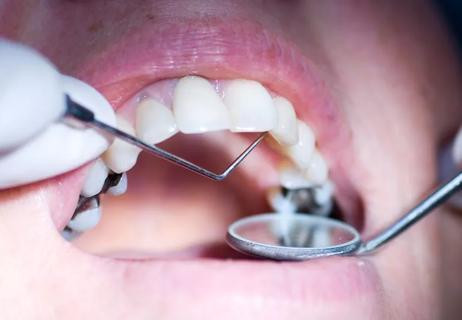
Silver fillings are perfectly safe

The short answer from a cardiologist
Finding a dentist you trust, establishing stop signals and bringing a support person can help you feel more comfortable

Celebrate individuality, create opportunities for cooperation, and stay calm and in control

Bright bathing suit colors can make kids easier to see in pools, lakes and oceans — but color is only one part of water safety

All states require DTaP, MMR, polio and chickenpox vaccines — healthcare providers recommend others, too

Managing your weight through physical activity may lower your chances of getting this common cancer

It typically starts in October and winds down in early spring, with cases at their highest in the middle of winter

Anxiety disorders, health conditions and past trauma can make driving nerve-wracking — help is available
 Search










