Locations:





Infants are at high risk of severe RSV, but getting the vaccine during pregnancy helps protect them from it
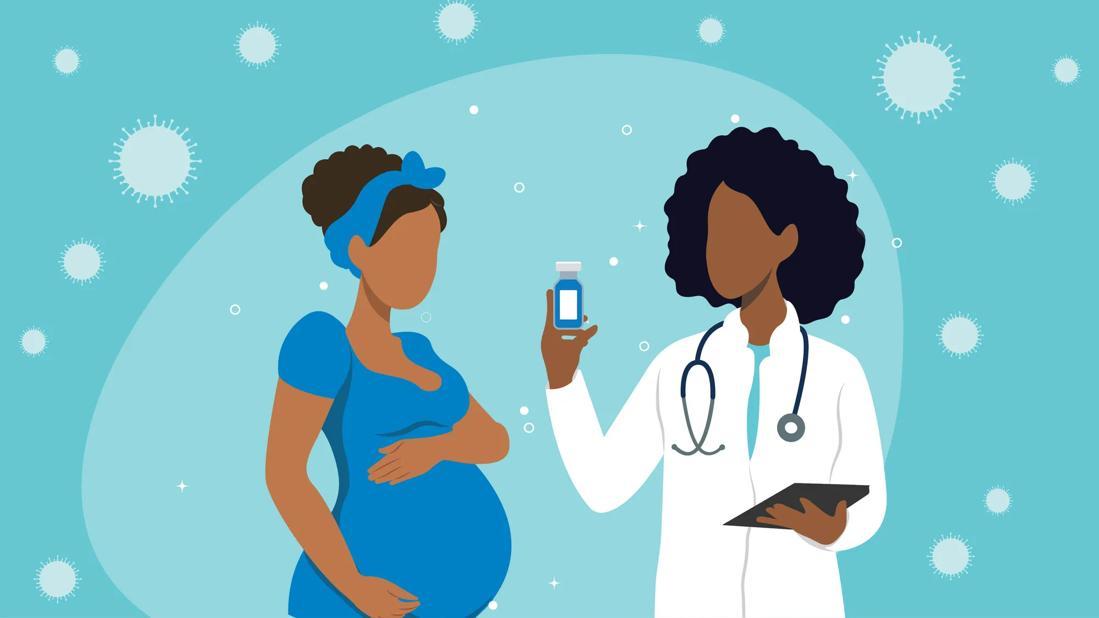
Image content: This image is available to view online.
View image online (https://assets.clevelandclinic.org/transform/040af475-a2c8-421c-883a-3af2f33b68b8/doc-patient-vaccine-2161491911)
Healthcare provider holding up bottle of maternal RSV vaccine, with pregnant patient
Respiratory syncytial virus (RSV) is one of the leading causes of lower respiratory infections in infants, and severe cases can lead to hospitalization. But you can help protect your newborn against RSV before they’re even born — by getting the maternal RSV vaccine.
Advertisement
Cleveland Clinic is a non-profit academic medical center. Advertising on our site helps support our mission. We do not endorse non-Cleveland Clinic products or services. Policy
Ob/Gyn Oluwatosin Goje, MD, who specializes in infectious diseases, explains how the vaccine can help, when to get it and what side effects it may bring.
Right now, there’s only one type of RSV vaccine recommended in pregnancy, Abrysvo™.
“Receiving the maternal RSV vaccine during pregnancy allows your body to develop antibodies that then transfer to the fetus,” Dr. Goje explains. “After birth, this protects your baby while they’re too young to receive their own vaccines.”
That’s especially important because the most severe cases of RSV happen early in infancy, before their bodies can fight it off on their own.
Babies under 1 year old (especially those under 6 months) are more likely than older children to be hospitalized for RSV. The risk is even higher for those who:
But the maternal RSV vaccine has been shown to reduce the chances of severe RSV in babies. One study found that the maternal RSV vaccine reduced severe illness by nearly 82% in the first three months after birth, and by about 69% in the first six months.
In other words: “We know this vaccine works,” Dr. Goje emphasizes.
RSV is a seasonal illness that ramps up in the fall and winter. So, the maternal RSV vaccine is typically offered if you’re expected to give birth during high-risk months.
Advertisement
Here’s a look at the current vaccine guidelines:
Those guidelines raise an obvious question: What if you reach weeks 32 to 36 outside that strict window of time?
Dr. Goje says babies born outside the RSV vaccine window should receive a preventive RSV injection (called nirsevimab) once respiratory virus season approaches.
“The RSV injection isn’t a vaccine. It’s a long-acting monoclonal antibody that helps protect babies during the time when RSV tends to be most severe,” she explains. “Those monoclonal antibodies can be given to infants up to eight months old.”
RSV vaccine side effects during pregnancy tend to look the same as those from many other vaccines. They may include:
These symptoms are usually short-lived and go away on their own within a few days.
If you don’t get the RSV vaccine during your pregnancy, your baby can still be protected from the virus. Your child’s provider will recommend that they get a protective RSV immunization soon after birth. Again, this isn’t a vaccine; it’s a dose of protective antibodies.
There are a couple other points worth calling out, too:
Speak with your healthcare provider to better understand your options and decide what’s best for you.
Infants are at especially high risk of severe RSV — but getting the vaccine during pregnancy is one of the most effective ways to help protect your child from it.
“Severe cases of RSV can affect healthy, full-term babies who don’t have any risk factors,” Dr. Goje cautions. “So, prevention strategies focus on keeping them safe during their first months of life, when they’re most vulnerable to the virus.”
Advertisement

Sign up for our Health Essentials emails for expert guidance on nutrition, fitness, sleep, skin care and more.
Learn more about our editorial process.
Advertisement
Pre-birth injections and monoclonal antibodies can help prevent serious complications
RSV is common and may cause serious complications, but there are ways to reduce your and your baby’s risk of serious illness
Seek medical care if your little one is working hard to breathe or shows signs of dehydration

RSV can lead your child to develop pneumonia and have trouble breathing
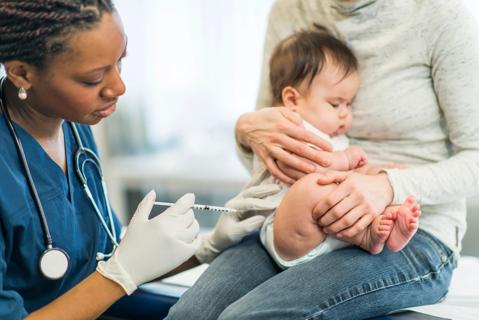
The first year of the RSV immunization program brought promising results

Respiratory syncytial virus spreads easily through respiratory droplets spewed out by those who are infected
It comes down to a wheeze, a fever and long-term effects
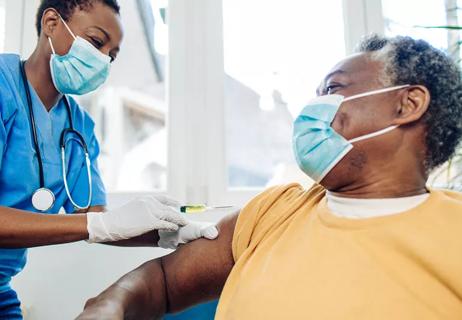
Adults 60 or older, pregnant women and babies may be eligible for protection against RSV
Eyes typically increase to full size during two growth spurts in childhood
To start, opt for calorie-dense foods that are rich in protein and healthy fats
Pre-birth injections and monoclonal antibodies can help prevent serious complications
 Search










