Locations:





Pineapple meets peppers, onions and lemon in this textured dish

Image content: This image is available to view online.
View image online (https://assets.clevelandclinic.org/transform/39464264-777a-41d4-bd1c-a1f74c48ad08/fishSweetSour-1331034565-770x533-1_jpg)
recipe flounder with sweet and sour sauce
This mild fish is delicious with a sweet and sour sauce made from pineapple, veggies and lemon juice. Don’t have flounder? Try it with sea bass, red snapper, halibut or whitefish, too!
Advertisement
Cleveland Clinic is a non-profit academic medical center. Advertising on our site helps support our mission. We do not endorse non-Cleveland Clinic products or services. Policy
2, 6-ounce flounder fillets
1/4 teaspoon kosher salt (optional)
Freshly ground pepper
Olive oil cooking spray
1 teaspoon fresh lemon juice
Sweet and sour sauce
1 1/2 cups diced pineapple
2 plum tomatoes, seeded and diced
1/2 cup diced sweet onion
1/3 cup diced green bell pepper
1/3 cup diced red bell pepper
2 tablespoons fresh pineapple juice
1 tablespoon finely minced fresh ginger
1 garlic clove, minced
1 teaspoon cornstarch
Advertisement
Makes 4 servings
Calories: 160 (8% calories from fat)
Total fat: 1.5 g
Saturated fat: 0.5 g
Protein: 22 g
Carbohydrate: 14 g
Dietary fiber: 2 g
Cholesterol: 60 mg
Sodium: 95 mg
Potassium: 532 mg
— Cleveland Clinic Healthy Heart Lifestyle Guide and Cookbook (© 2007 Broadway Books).
Advertisement

Sign up for our Health Essentials emails for expert guidance on nutrition, fitness, sleep, skin care and more.
Learn more about our editorial process.
Advertisement

Take a delicious journey to the Mediterranean
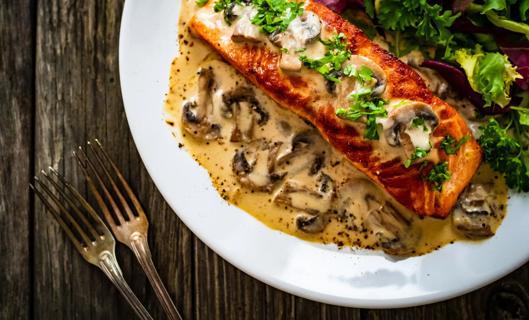
This classic recipe swaps out chicken for omega-3-rich salmon
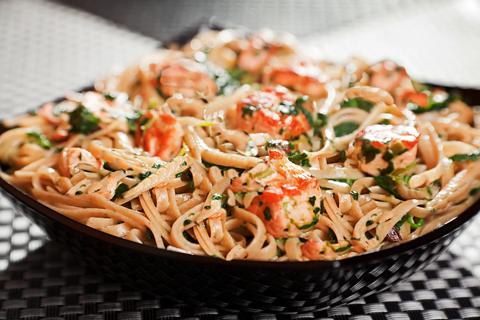
Cooling cucumber and spicy ginger add extra flavor to this Asian-inspired dish
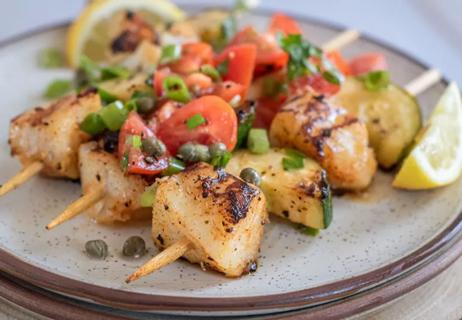
Expand your grilling options with this simple, tasty dish
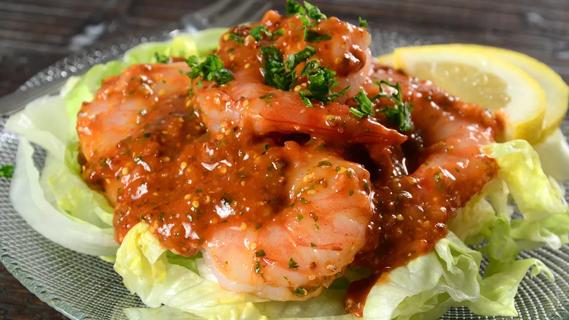
A pantry-friendly version of the tomato-based sauce
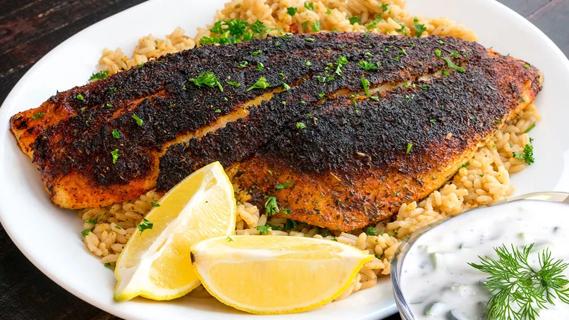
This delicious and nutritious entree is like eating out at home
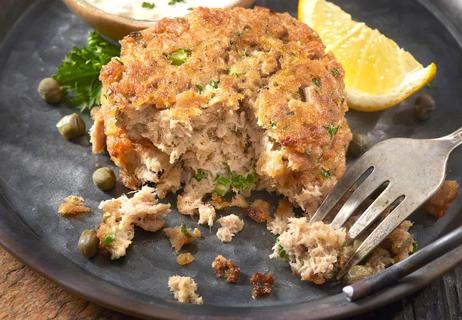
Good for a light lunch and for your belly

Delicious, flaky fish with crunchy veggies

Hormonal changes, a slower metabolism and muscle loss can make weight gain more common around menopause — healthy habits can help you manage it

Life-threatening complications include sepsis, stroke, pneumonia and more
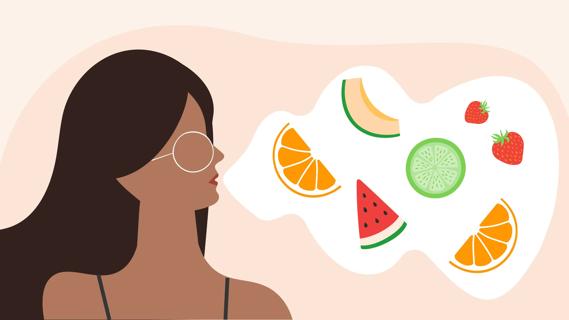
Fruity-smelling breath can happen when your body burns fat for energy, and in some cases, can signal a medical emergency
 Search










