Locations:





A refreshing, colorful treat that kids and adults will love

Image content: This image is available to view online.
View image online (https://assets.clevelandclinic.org/transform/c3782bcb-4831-4211-93f2-72671ba8a510/TropicalFruitPops-AD-770x533-1_jpg)
An assortment of bright yellow, frozen tropical fruit pops are displayed in yellow bowls.
You’re never too old for frozen treats! These tropical fruit pops pack more than just a frozen puree mixture of tropical fruits — they satisfy your sweet tooth and quench your thirst at the same time.
Advertisement
Cleveland Clinic is a non-profit academic medical center. Advertising on our site helps support our mission. We do not endorse non-Cleveland Clinic products or services. Policy
If you don’t have ice pop molds at home, you can use muffin tins or 3-ounce paper cups. If you use paper cups, steady them by setting them in a small square metal pan. Remove the paper cups by peeling them off just before serving.
1 cup pureed mango (about two medium)
1 cup pureed papaya (about one medium)
1 cup pureed pineapple (about one small)
3 tablespoons superfine sugar
3 tablespoons fresh lime juice
12 flat wooden sticks
Makes 12 servings
Calories: 50
Total fat: 0 g
Protein: 0 g
Carbohydrate: 14 g
Dietary fiber: 1 g
Cholesterol: 0 mg
Sodium: 0 mg
Potassium: 145 mg
Source: Cleveland Clinic Healthy Heart Lifestyle Guide and Cookbook (© 2007 Broadway Books).
Advertisement
Advertisement

Sign up for our Health Essentials emails for expert guidance on nutrition, fitness, sleep, skin care and more.
Learn more about our editorial process.
Advertisement

A warm dessert alternative to enjoy on a cold day
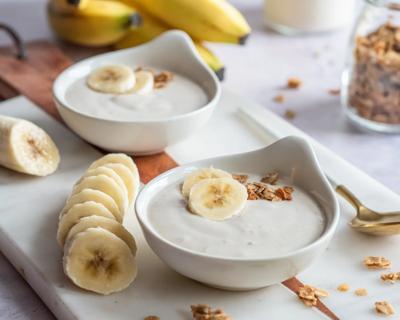
A simple yet impressive and nutritious dessert

A perfect treat any time of year

Sweet with hints of vanilla, this lower-fat classic won’t disappoint!
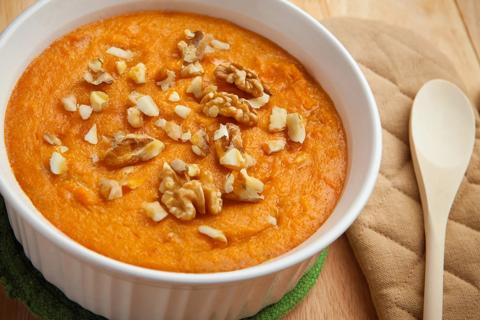
A delicious stovetop dessert fit for any season
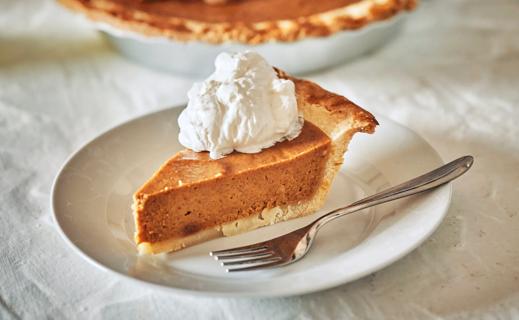
A delicious classic holiday pie, flavored with ground almonds, cinnamon, nutmeg and vanilla

A creamy, dreamy and low-cal dessert

Fun to make — and fun to eat!

Managing your weight through physical activity may lower your chances of getting this common cancer

It typically starts in October and winds down in early spring, with cases at their highest in the middle of winter

Anxiety disorders, health conditions and past trauma can make driving nerve-wracking — help is available
 Search










