Locations:





Enjoy a decadent dessert for under 200 calories
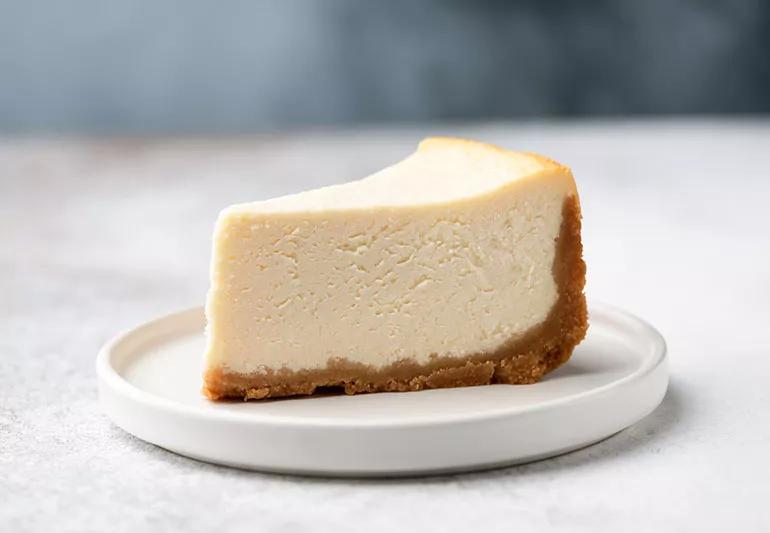
Image content: This image is available to view online.
View image online (https://assets.clevelandclinic.org/transform/9e6c517c-221e-415a-a627-eb3f32fe8921/CC_HE_1097280040_Cheesecake_jpg)
A plate with a slice of New York style cheesecake
If you have a craving for cheesecake, try this inventive and delicious version. Top this lighter version with some fruit and enjoy for under 200 calories.
Advertisement
Cleveland Clinic is a non-profit academic medical center. Advertising on our site helps support our mission. We do not endorse non-Cleveland Clinic products or services. Policy
For the crust:
9 whole graham crackers (5 ounces), broken into rough pieces and processed in a food processor to fine crumbs (about 1 ¼ cups)
4 tablespoons Smart Balance spread, melted
½ tablespoon Splenda Blend sugar substitute
For the filling:
1 pound 1% cottage cheese
1 pound light cream cheese, at room temperature
*8 ounces yogurt cheese (See directions below if you want to make your own) or 1 pint non-fat or low-fat plain yogurt
¼ teaspoon table salt
¾-1 cup Splenda blend sugar substitute
½-1 teaspoon lemon zest (could use orange zest)
1 tablespoon vanilla extract
3 large eggs, at room temperature
Vegetable cooking spray
*How to make yogurt cheese, if desired:
Needed: 1 pint (2 cups) non fat or low-fat plain yogurt.
To make crust:
Advertisement
To make filling:
Each serving contains:
Calories: 190
Total fat: 9 g
Saturated fat: 4 g
Trans fat: 0 g
Protein: 9 g
Carbohydrates: 16 g
Dietary fiber: 0 g
Cholesterol: 70 mg
Sodium: 350 mg
Potassium: 85 mg
Source: Recipe courtesy of dietitian Melissa Ohlson, MS, RD, LD
Advertisement

Sign up for our Health Essentials emails for expert guidance on nutrition, fitness, sleep, skin care and more.
Learn more about our editorial process.
Advertisement
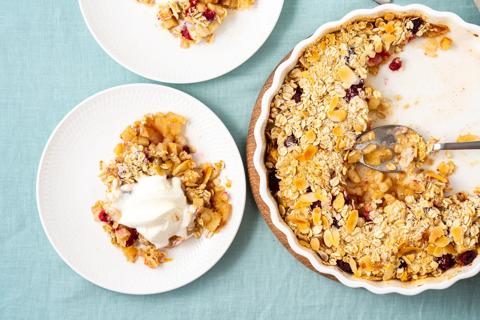
A warm dessert alternative to enjoy on a cold day
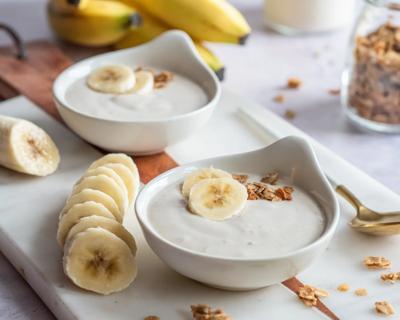
A simple yet impressive and nutritious dessert
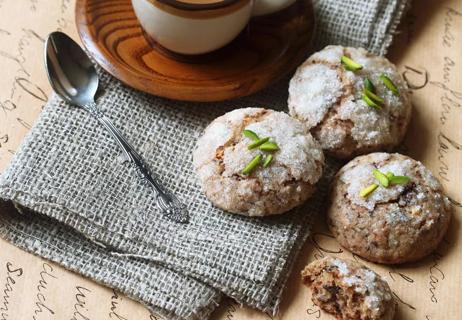
A perfect treat any time of year
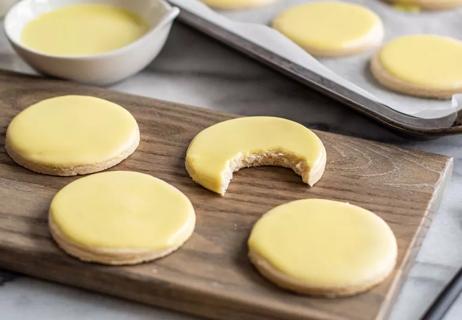
Sweet with hints of vanilla, this lower-fat classic won’t disappoint!
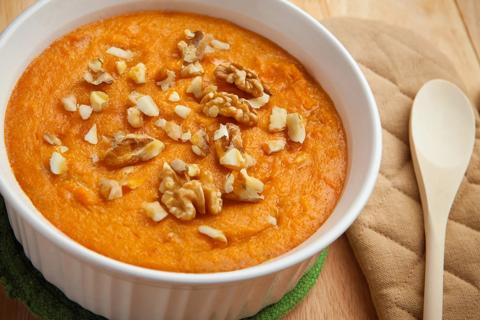
A delicious stovetop dessert fit for any season
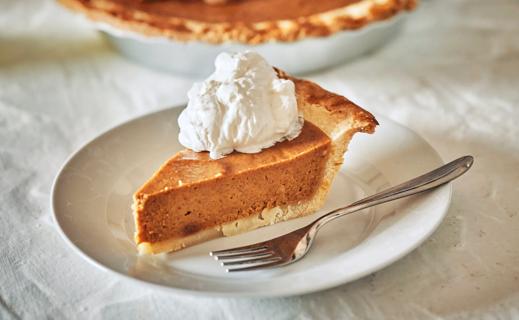
A delicious classic holiday pie, flavored with ground almonds, cinnamon, nutmeg and vanilla
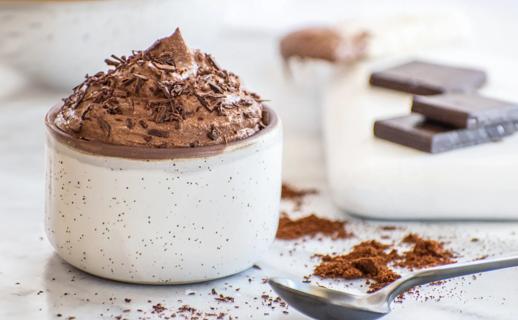
A creamy, dreamy and low-cal dessert
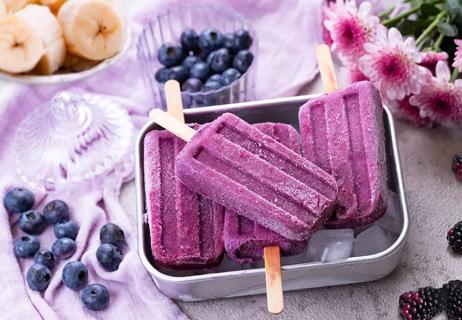
Fun to make — and fun to eat!

Hormonal changes, a slower metabolism and muscle loss can make weight gain more common around menopause — healthy habits can help you manage it

Life-threatening complications include sepsis, stroke, pneumonia and more

Fruity-smelling breath can happen when your body burns fat for energy, and in some cases, can signal a medical emergency
 Search










