Locations:





Pre-birth injections and monoclonal antibodies can help prevent serious complications
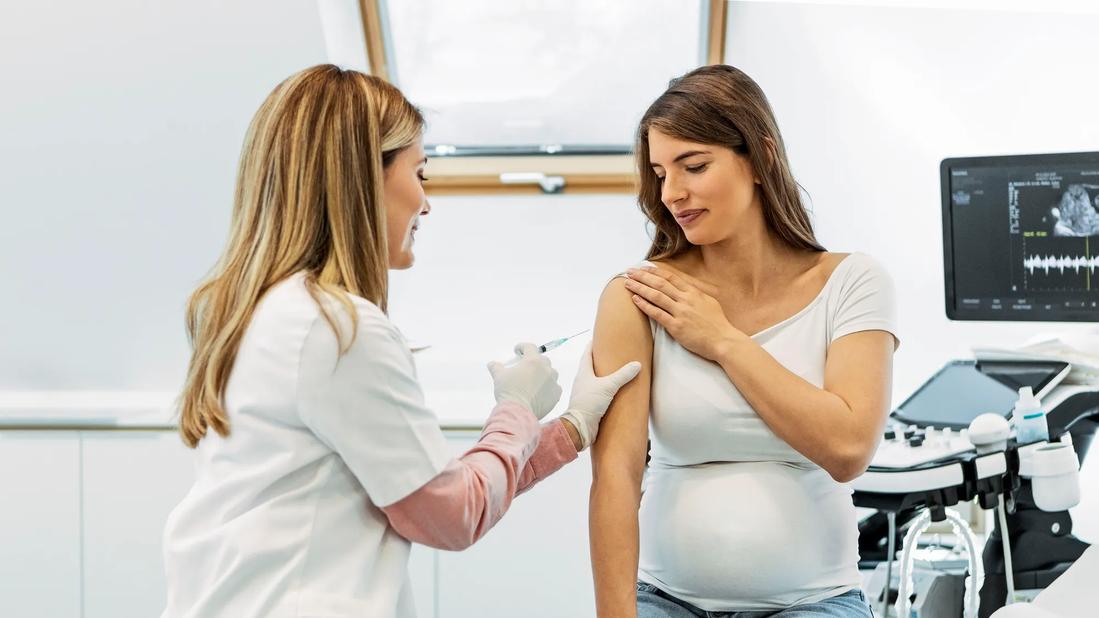
Image content: This image is available to view online.
View image online (https://assets.clevelandclinic.org/transform/4acc045d-a7f3-4f00-b3ae-b5b14048b4f7/RSV-vaccine-1448182290)
Healthcare provider giving pregnant patient a shot
Respiratory syncytial virus, or RSV, can cause serious complications, despite what some people may believe.
Advertisement
Cleveland Clinic is a non-profit academic medical center. Advertising on our site helps support our mission. We do not endorse non-Cleveland Clinic products or services. Policy
“Almost every child is exposed to RSV by age 2, but high-risk kids are more likely to catch RSV and become severely ill with serious complications,” says pediatrician Kristin Barrett, MD.
Dr. Barrett explains what treatment options and preventive measures are most helpful and what you can do to protect your baby from serious RSV complications.
There are two ways to protect your baby from RSV: during pregnancy and after birth:
“Abrysvo provides a baby with enough antibodies during its first six months of life to fight RSV,” reiterates Dr. Barrett. “If you get that injection during pregnancy, the American Academy of Pediatrics says your baby should receive monoclonal antibodies during their second respiratory season.”
Advertisement
Your baby may benefit most from these vaccines if they:
The best preventive measures against RSV, especially for high-risk infants, continue to be the pre-birth RSV injection and post-birth monoclonal antibodies. Other precautionary measures include:
“RSV is spread through respiratory droplets, so anyone who has it should wear a mask and distance themselves from you and your baby while they’re ill,” says Dr. Barrett. “It also helps to avoid large social settings during the first year of life if you have a high-risk infant.”
Even if you take every precaution available to you, it’s still possible your baby could get RSV. It is, after all, a common winter illness that almost everyone faces at least once in their life.
If you’re concerned about your baby’s health or notice any of the following symptoms, reach out to a healthcare provider for treatment:
“RSV is a virus, so it could take up to a week or more for it to go away on its own,” explains Dr. Barrett. “Do what you can to make your baby comfortable and monitor them closely. If they’re having trouble breathing or you’re noticing any concerning symptoms, take them to a hospital right away.”
There, a care team can administer fluids, oxygen and other medications to help your baby fight off the RSV infection.
“We can provide round-the-clock monitoring and have access to things you can’t do at home, like medical-grade suctioning, to help clear out mucus from your baby’s nose and throat,” reassures Dr. Barrett. “For the most part, once a baby is released from the hospital, they’re able to make a full recovery.”
Advertisement

Sign up for our Health Essentials emails for expert guidance on nutrition, fitness, sleep, skin care and more.
Learn more about our editorial process.
Advertisement

RSV is common and may cause serious complications, but there are ways to reduce your and your baby’s risk of serious illness

Seek medical care if your little one is working hard to breathe or shows signs of dehydration

Infants are at high risk of severe RSV, but getting the vaccine during pregnancy helps protect them from it

RSV can lead your child to develop pneumonia and have trouble breathing
The first year of the RSV immunization program brought promising results

Respiratory syncytial virus spreads easily through respiratory droplets spewed out by those who are infected
It comes down to a wheeze, a fever and long-term effects
Adults 60 or older, pregnant women and babies may be eligible for protection against RSV

Managing your weight through physical activity may lower your chances of getting this common cancer

It typically starts in October and winds down in early spring, with cases at their highest in the middle of winter

Anxiety disorders, health conditions and past trauma can make driving nerve-wracking — help is available
 Search