Locations:





RSV is common and may cause serious complications, but there are ways to reduce your and your baby’s risk of serious illness
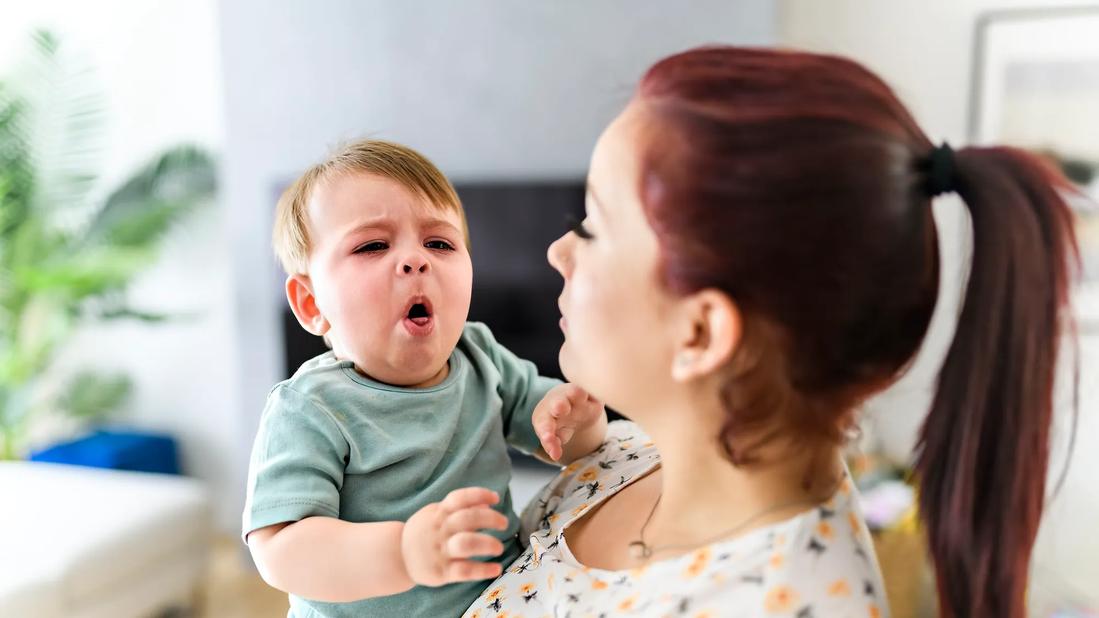
Image content: This image is available to view online.
View image online (https://assets.clevelandclinic.org/transform/7e595188-7424-4873-85f3-4d14c0a82ded/rsv-myths-facts-1449605028)
Caregiver holding sick, coughing baby
Any time respiratory season rolls around, the questions start flooding in:
Advertisement
Cleveland Clinic is a non-profit academic medical center. Advertising on our site helps support our mission. We do not endorse non-Cleveland Clinic products or services. Policy
With so many questions, there have been some competing answers, leading to myths you shouldn’t trust about respiratory syncytial virus (RSV).
Pediatrician Kristin Barrett, MD, sheds light on some of the most common myths around RSV and why this respiratory illness is something to take seriously.
Why are there still so many questions about RSV? Well, Dr. Barrett says it might have a lot to do with our fears, particularly for parents of young children.
“Fear can breed misinformation,” notes Dr. Barrett. “We start grasping at straws because we’ll do anything to protect our babies. But there are real answers and real guidance out there from trusted sources.”
Dr. Barrett addresses common RSV myths and misconceptions.
RSV is common. So common, in fact, that by the age of 2, most kids will either be exposed to or infected by RSV.
“RSV spreads by respiratory droplets from coughing or sneezing,” explains Dr. Barrett. “It can also live on surfaces for several hours, so it’s highly contagious.”
Anybody can become infected with RSV, including adults. But children and young infants are at higher risk of getting sick with the virus because of their small anatomy.
Advertisement
“RSV likes to go to the tiniest parts of the lungs called the bronchioles,” explains Dr. Barrett. “Adults can tolerate a little bit of mucus, swelling or inflammation in those areas. But in babies, even the smallest amount of inflammation or mucus can block the bronchioles and cause problems with breathing.”
For some, RSV can look similar to the common cold with mild symptoms, like fever, cough and a runny nose. But serious complications can also occur, such as:
“RSV is the most common reason healthy children under the age of 1 get admitted to the hospital,” reports Dr. Barrett. “That’s why we recommend that all infants 8 months or younger get RSV antibodies during their first RSV season.”
Injections of monoclonal antibodies in the form of nirsevimab (Beyfortus®) and clesrovimab (Enflonsia®) are so effective that they lower the risk of a child needing medical attention during an RSV infection by 70% to 80%.
“As soon as they get those RSV antibodies, they start working to protect them from future infections,” says Dr. Barrett.
RSV antibodies don’t contain any of the actual virus that causes the illness. So, infants won’t get RSV from these injections.
There’s a different kind of RSV immunization available during pregnancy. It’s called Abrysvo® (RSVpreF). This vaccine is given between weeks 32 and 36 of pregnancy and at least 14 days before your due date.
“You won’t get RSV from Abrysvo because it doesn’t contain a live virus, but your body will still recognize it and make antibodies against RSV,” explains Dr. Barrett. “Those antibodies cross the placenta during pregnancy, helping to protect your baby against RSV after birth.”
This one is actually true in some cases, unless your baby is born early or at high risk for severe complications from RSV.
“The antibodies will continue to circulate in the baby’s immune system for about six months after birth,” says Dr. Barrett. “The baby would probably not need to get the RSV monoclonal antibodies unless they’re at high risk for complications.”
Your baby’s risk for complications increases if they’re born preterm or if they have other conditions, like congenital heart disease or genetic disorders.
“If you got the vaccine appropriately at 35 weeks, but you went into labor and had the baby six days later, that baby should still get the RSV vaccine because you didn’t have enough time to make antibodies and pass them on to the baby,” she clarifies.
Advertisement
RSV is a common winter illness that tends to peak during respiratory season. In the U.S., that tends to fall between October and March. But you can get RSV all year long.
“RSV is a virus, so it can change or be affected by things like seasonal weather patterns,” says Dr. Barrett. “I’ve seen babies have RSV in the middle of June. It’s unusual, but it can happen.
Remember, RSV affects the tiniest part of your lungs. When you’re young, those parts are still developing. So, if they’re under severe stress from RSV, it can have a lasting impact on how they function.
“Because of how RSV behaves in the body, it’s a very common cause of wheezing,” says Dr. Barrett. “Children who wheeze with RSV early in life, especially during their first year, are much more likely to go on to develop asthma or reactive airway disease.”
Older adults who have RSV can also experience other long-term effects that increase their risk of:
Like the flu and other viruses, you can get RSV more than once. Part of the reason is that the virus can change and slip past your immune system’s defenses. With each recurring infection, symptoms can change, too.
“For most older kids and young adults, RSV becomes more like a common cold with congestion or a mild cough,” says Dr. Barrett. “It usually doesn’t cause severe illness in those groups.”
Advertisement
Viruses typically go away on their own. Treatment usually revolves around reducing the severity of symptoms. But severe symptoms should be taken seriously.
“We tend to see RSV symptoms peak on about day three to five,” says Dr. Barrett. “We start to see significant improvement around day seven, with babies feeling back to normal after about one to two weeks.”
Dr. Barrett says to take your baby to the hospital if they:
To help prevent hospitalization, you can use Tylenol® to treat aches and bring down a fever. Drinking plenty of fluids can help keep someone with RSV hydrated. And to help young babies and children with RSV breathe better, Dr. Barrett recommends:
Antibiotics are short-term medications that kill bacteria and stop them from multiplying. They’re helpful when treating bacterial infections like strep throat or pink eye. But as a virus causes RSV, not a bacterium, antibiotics aren’t helpful when treating RSV.
Advertisement
But they may be needed in some cases.
“Some babies can get what we call bacterial superinfections, meaning they get a bacterial infection on top of having RSV,” says Dr. Barrett. “The most common one we see is an ear infection, and we use antibiotics to treat those while RSV runs its course.”
Looking for the best prevention against RSV? Dr. Barrett recommends the following:
“We know taking these precautions are helpful because they help keep other viruses at bay,” encourages Dr. Barrett. “If taking these precautions helps prevent serious symptoms, that’s an important consideration to keep in mind.”

Sign up for our Health Essentials emails for expert guidance on nutrition, fitness, sleep, skin care and more.
Learn more about our editorial process.
Advertisement

Seek medical care if your little one is working hard to breathe or shows signs of dehydration

Infants are at high risk of severe RSV, but getting the vaccine during pregnancy helps protect them from it

RSV can lead your child to develop pneumonia and have trouble breathing
The first year of the RSV immunization program brought promising results

Respiratory syncytial virus spreads easily through respiratory droplets spewed out by those who are infected
It comes down to a wheeze, a fever and long-term effects
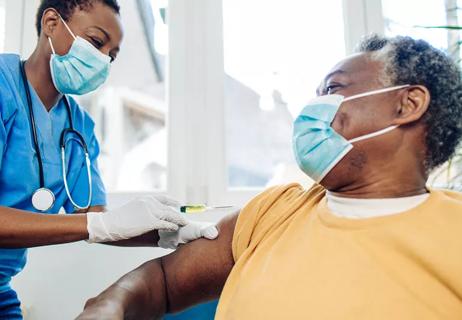
Adults 60 or older, pregnant women and babies may be eligible for protection against RSV
Taking extra precaution during RSV season can be lifesaving

Managing your weight through physical activity may lower your chances of getting this common cancer

It typically starts in October and winds down in early spring, with cases at their highest in the middle of winter

Anxiety disorders, health conditions and past trauma can make driving nerve-wracking — help is available
 Search