Locations:





 Search
How a high salt intake can really keep you up at night
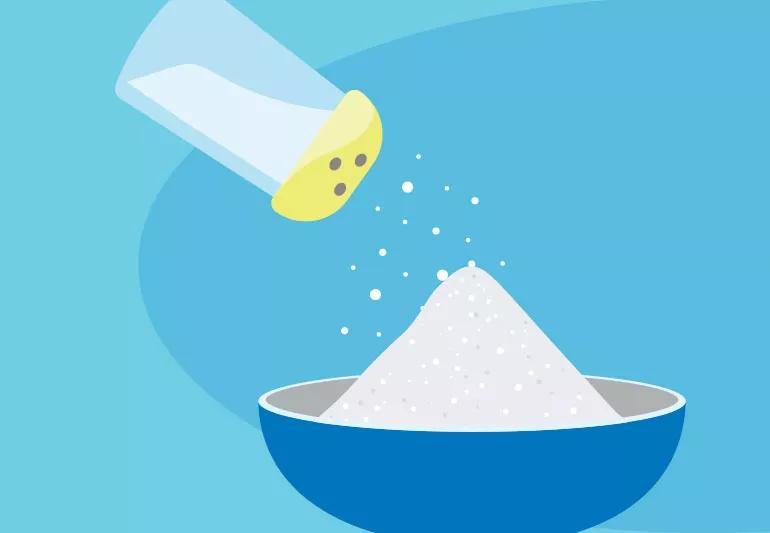
Image content: This image is available to view online.
View image online (https://assets.clevelandclinic.org/transform/362201b7-63e3-4144-8c65-2cedbf1ae608/tooMuchSalt-1255254449-770x533-1_jpg)
salt shaker pouring too much salt in bowl
You’ve heard time and time again that too much salt is bad. It’s still true — too much salt can increase your blood pressure and put you at risk for heart disease. But there’s also a direct link between higher daily salt intake and how much sleep you get each night.
Advertisement
Cleveland Clinic is a non-profit academic medical center. Advertising on our site helps support our mission. We do not endorse non-Cleveland Clinic products or services. Policy
The American Heart Association recommends a maximum of 2300 mg of sodium per day (one teaspoon of salt contains about 2300 mg of sodium) — but lower is always better. For optimal health, you should aim for 1500 mg of sodium.
According to the FDA, however, most of us are consuming well over that — at an average of 3400 mg of sodium per day — doubling our recommended daily sodium intake.
Heart disease is the number one killer in the United States. High amounts of salt can result in high blood pressure. Having high blood pressure over time results in hypertension and increases your risk of heart disease. Examples of heart disease include atherosclerosis or heart failure, or if you’ve had a heart attack or stroke.
According to Sandra Darling, DO, MPH, if you have hypertension or heart disease it’s important to consume less than the normal daily recommendation of salt.
“Ideally you should aim for less than 1500 mg of sodium each day to keep your blood pressure in check,” she says.
“Most people assume their salt shaker is to blame,” Dr. Darling says. “But a large portion of our dietary sodium is already found in many of the foods we eat — and the combination of both can add up quickly.”
Here are some examples of high sodium foods:
Advertisement
“Unless you’re preparing your meals from scratch using real, unprocessed foods it’s likely you’re getting much more sodium than you need,” Dr. Darling says.
Normal blood pressure is under 120/80. An increase of sodium stiffens and narrows your blood vessels making your heart pump faster with more pressure to get oxygen to where your body needs it — resulting in higher blood pressure.
“That’s why in order to maintain healthy blood pressure it’s important to take a look at how much sodium you’re consuming,” Dr. Darling says. “You can calculate your sodium intake for the day using one of the many free apps available or tally your intake on your own.”
You can also check your blood pressure at home with advice from your doctor.
“When my patients calculate their sodium for a few days they’re usually surprised by how much higher it is than they expected,” Dr. Darling says. “Just because food doesn’t taste salty doesn’t mean it’s low in sodium — awareness of this is key because keeping your intake in check is the best means of prevention.”
Get in the habit of checking the nutrition label for sodium content on all foods, beverages, and condiments. Note the serving size and make adjustments if you eat more or less than what is listed as one serving. Some restaurants may provide sodium and other nutrition information on their websites
The link between sodium and blood pressure is fairly well known. But did you know sodium can also affect your sleep?
“Eating a meal that’s high in sodium at dinnertime can contribute to sleep disturbances, in part due to an increase in blood pressure and fluid retention,” Dr. Darling says. “The result may be restless sleep, frequent awakenings and not feeling rested in the morning. I’ve experienced this firsthand after going out for pizza. It’s a treat and a fun night out, but the after-effects are not fun. With too much salt in your bloodstream you may not sleep well that night — and feel tired or groggy the next day.”
Not a surprise considering how much sodium can be in just a few slices of pizza. One slice of cheese pizza can contain about 500-600 mg of sodium — so with three slices you’re getting more than the optimal daily amount of 1500 mg in just one meal. If topped with pepperoni or other toppings — the sodium content will be even higher.
Advertisement
Dr. Darling recommends these simple ways to get your salt intake under control:
Advertisement
The more control you have over your eating habits, by reducing your salt intake and eating more whole, unprocessed foods, the more likely you will lower your risk for heart disease and sleep better at night – which will lead to feeling better every day.
Advertisement

Sign up for our Health Essentials emails for expert guidance on nutrition, fitness, sleep, skin care and more.
Learn more about our editorial process.
Advertisement
Too much sodium can cause high blood pressure and increase your risk of heart disease
Eating too much salt can put extra pressure on your blood vessels and heart
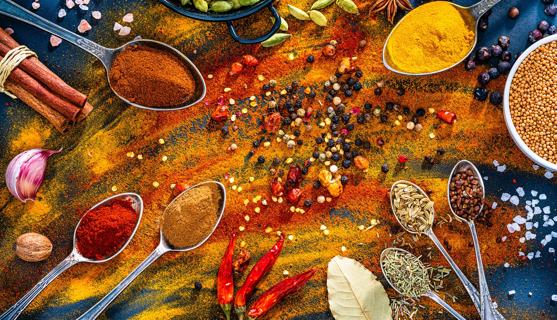
Keep the flavor and cut the sodium by using herbs, garlic, ginger, citrus and more in your cooking
Excess salt and sodium consumption is a worldwide health concern
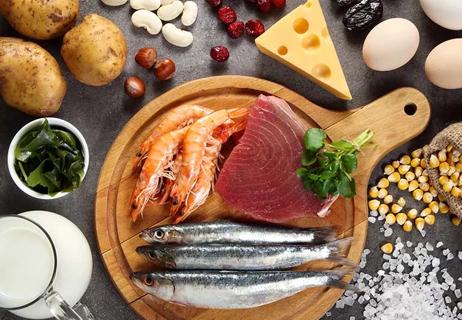
Pass the (iodized) salt to support your thyroid, disinfect a wound and more

Two key electrolytes — sodium and chloride — are the building blocks of salt
Unproven and unregulated, they aren’t the best choice to boost performance
Too much salt in your diet? Here’s how to cut back
While you can’t change risk factors, like age or genetics, lifestyle choices and regular screenings can help lower your overall risk
While it may be no big deal, underlying conditions that need treatment can also cause cold extremities

Improve your speed with interval training, strength training and consistent, healthy habits











