Locations:





While you can’t change risk factors, like age or genetics, lifestyle choices and regular screenings can help lower your overall risk
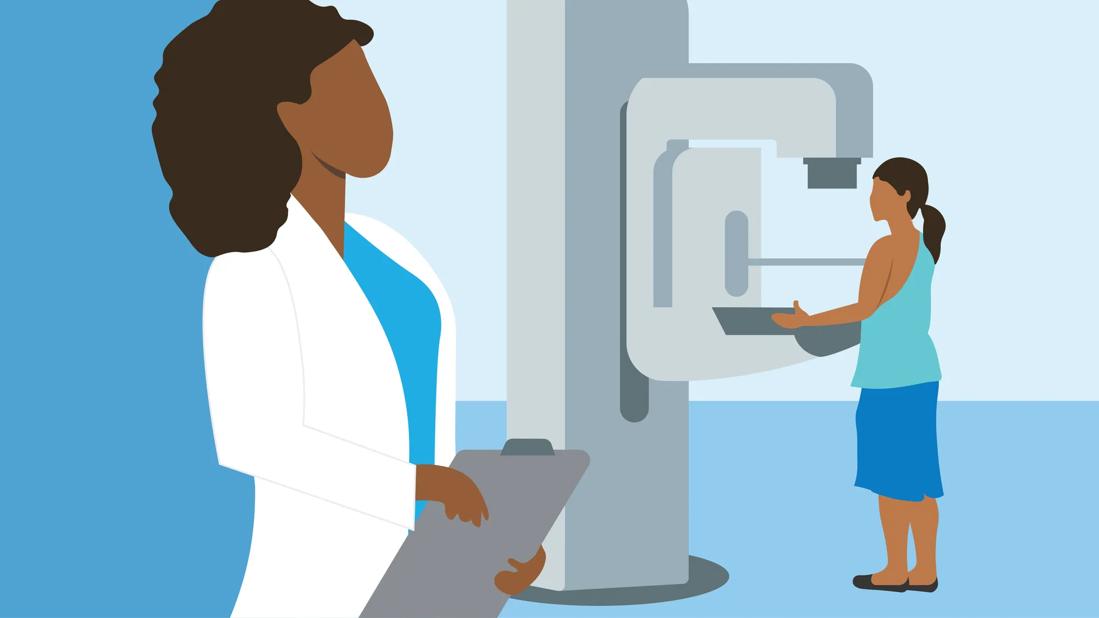
Image content: This image is available to view online.
View image online (https://assets.clevelandclinic.org/transform/d48b86ea-87b8-4134-a200-c5992bd4b060/mammogram-scan-appointment-2185896557)
Person getting a mammogram under direction of radiologist
Breast cancer is one of the most common cancers that affects women. But your risk isn’t fixed.
Advertisement
Cleveland Clinic is a non-profit academic medical center. Advertising on our site helps support our mission. We do not endorse non-Cleveland Clinic products or services. Policy
“While some factors, like your age or family history, are outside of your control, others are linked to everyday habits and health decisions,” says breast surgical oncologist Margaret E.G. Thompson, MD.
Understanding what affects your risk can help you take steps that may lower it.
“There’s no strategy that can guarantee you won’t develop breast cancer,” Dr. Thompson clarifies. “But certain choices may help reduce your overall risk and help detect cancer earlier, when treatment is often most effective.”
She explains what lifestyle choices may help lower your risk.
Regular exercise is one of the most consistent lifestyle factors linked to lower breast cancer risk.
“Physical activity helps regulate hormones like estrogen and insulin, which can influence cancer development,” Dr. Thompson notes. “Exercise also supports a healthy weight and reduces inflammation in the body, which further lowers your risk.”
Even moderate activity can make a difference, especially if it’s part of your long-term routine. Aim for regular movement throughout the week, including activities like brisk walking, biking, swimming and strength training.
Obesity, particularly after menopause, is linked to a higher risk of breast cancer. Fat tissue produces estrogen, and higher estrogen levels over time may increase the likelihood of certain breast cancers developing.
Advertisement
“Maintaining a healthy weight can help keep hormone levels more balanced and lower your breast cancer risk,” Dr. Thompson says.
Small, sustainable lifestyle changes work better than dramatic short-term diets. So, focus on habits like regular physical activity and a balanced diet that limits ultra-processed foods.
Of course, weight management can be a lot easier said than done. If it’s something you struggle with, talk to your healthcare provider to see what they recommend — and how they can help.
Drinking alcohol is associated with an increased risk of breast cancer.
“Even moderate drinking may raise risk because alcohol can affect hormone levels and the way your body processes estrogen,” Dr. Thompson explains.
Alcohol is known to raise your risk of other types of cancer, too. If you do drink, it’s best to limit how much alcohol you consume.
Breast cancer screening won’t stop the disease from developing, but it plays a critical role in early detection.
“When breast cancer is found in its early stages, treatment is often more effective and outcomes tend to be better,” Dr. Thompson says.
Mammograms are the main screening tool used to detect breast cancer before symptoms appear. If you’re at high risk for breast cancer, you may need additional imaging or an adjusted screening schedule.
Screening recommendations may vary depending on your age, personal health history and breast cancer risk level. So, talk to your healthcare provider to determine the screening plan that’s right for you.
There are some breast cancer risk factors you can’t influence. Your risk is higher if you:
But even if you have one or more of these risk factors, take a breath.
“It doesn’t mean you’re destined to develop breast cancer,” Dr. Thompson says. “It just means that your risk may be higher than average, which makes regular screenings all the more important.”
When you’re taking steps to reduce your risk of breast cancer, it’s important to understand your personal risk level and focus on factors you can influence — like exercise, nutrition and alcohol consumption.
“No strategy can eliminate breast cancer risk completely,” Dr. Thompson reiterates. “But healthy habits and proactive care can play a meaningful role in protecting your long-term health.”
Advertisement

Sign up for our Health Essentials emails for expert guidance on nutrition, fitness, sleep, skin care and more.
Learn more about our editorial process.
Advertisement

Managing your weight through physical activity may lower your chances of getting this common cancer

Not all breast lumps signal cancer, and not all breast cancer causes lumps — it’s important to know the facts
If you’re of Ashkenazi Jewish descent, these tests may be a reasonable starting point — but more thorough genetic testing can go much deeper

Breast cancer treatments can lower estrogen, which has a ripple effect on your bones

Breast cancer treatments can lower your fertility, but egg freezing and other preservation measures may be an option
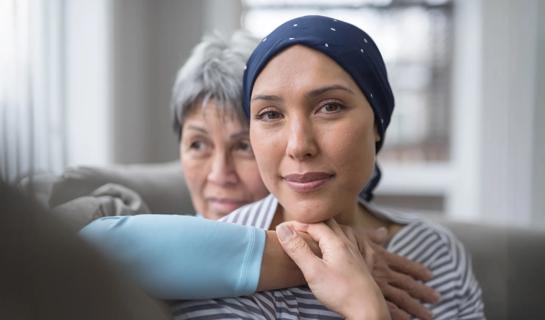
Practical help and honest conversations can make a meaningful difference
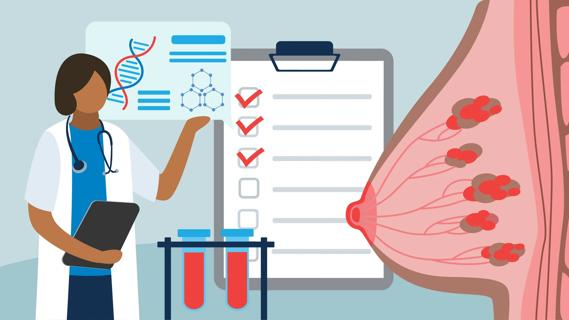
Your path lab report contains detailed information about your tumor — your care team can work with you to turn it into a care plan
Doctors look at stage, biology, genetic risk and more to recommend your treatment plan
Managing your weight through physical activity may lower your chances of getting this common cancer

It typically starts in October and winds down in early spring, with cases at their highest in the middle of winter

Anxiety disorders, health conditions and past trauma can make driving nerve-wracking — help is available
 Search










