Locations:





Practical help and honest conversations can make a meaningful difference
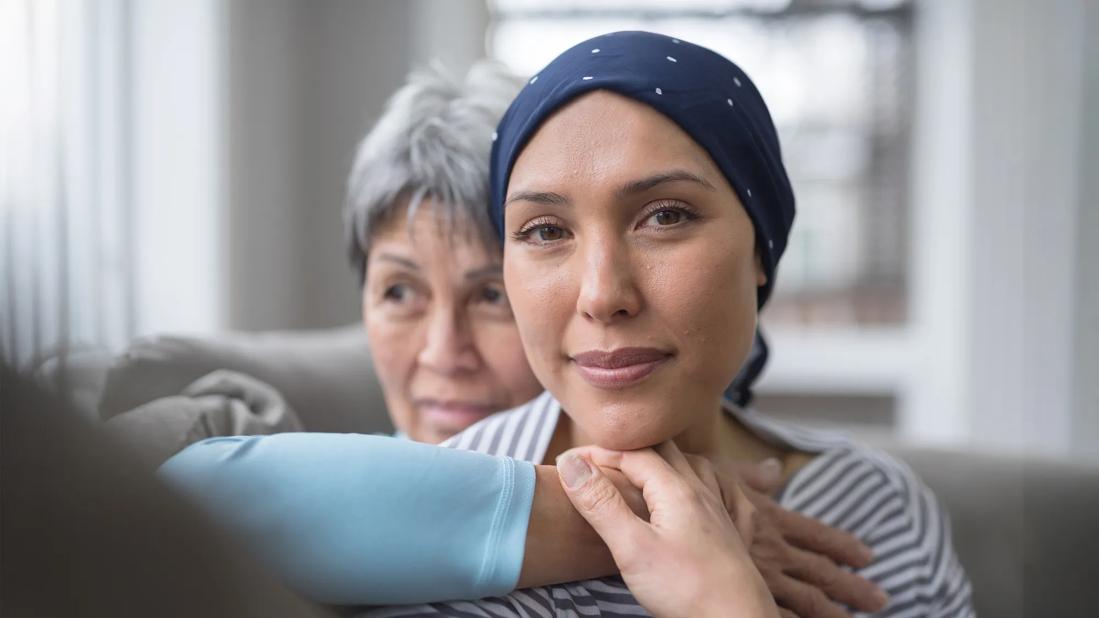
Image content: This image is available to view online.
View image online (https://assets.clevelandclinic.org/transform/7aa65277-eab6-4fa1-a399-30e58c7fd5bc/love-support-breast-cancer-1044548366)
Smiling woman wearing cancer head scarf, with parent hugging her
When someone you care about is diagnosed with breast cancer, it’s natural to want to help. It’s also understandable if you’re not sure where to start.
Advertisement
Cleveland Clinic is a non-profit academic medical center. Advertising on our site helps support our mission. We do not endorse non-Cleveland Clinic products or services. Policy
You might worry about saying the wrong thing. You might hold back because you don’t want to “bother” them. Or you might simply feel unsure about how to show support in a meaningful way.
“There’s no script for it,” acknowledges clinical psychologist Mary Moeller, PhD. “Different people find different things helpful.”
But there are some tried-and-true ways to best support your loved ones during breast cancer.
Dr. Moeller encourages people to think about support as “concentric circles” of care.
The person with breast cancer sits at the center. Their closest caregivers and support system form the circle closest to them. As you move outward, there are other layers of less intimately affected connections, like friends, coworkers and more distant family members.
“The rule of thumb is to provide support inward and seek support outward,” Dr. Moeller explains.
In other words, offer your help to those closer to the center. That means showing your care not only to the person with cancer, but also to those who are in the thick of it with them day to day. Turn to people in farther out circles when you need support for yourself.
Let’s take a closer look at specific ways to help.
Everyday tasks can become overwhelming during breast cancer treatment and recovery.
Advertisement
Loved ones can help by easing some of the burden of managing life with cancer. Doing things that can be challenging for them is one way to help relieve the pressure. You might consider:
The way you go about offering your help matters, too. Offering a specific thing you can do is often more effective than a vague, Let me know if you need anything.
“It’s better if you avoid putting work on the person or their caregivers,” Dr. Moeller points out. “It can be helpful to give proactive suggestions, rather than asking them to figure out what they need and ask for it.”
For example:
If you live far away or are looking to go more tangible with your support, a thoughtful gift can help someone with breast cancer feel a little better and brighten their day.
“Things that just make them feel more like themselves again, in the midst of all the changes in their body and their life, can be really useful and appreciated,” Dr. Moeller suggests. “Anything that might help with hot flashes or other effects of breast cancer treatment can be good ideas.”
Helpful items might include:
“Breast cancer can come with a lot of changes to someone’s physical appearance,” she adds. “Things that allow someone to feel like they’re caring for their body and being kind to it can be helpful.”
We all face stressful situations differently, so it can be hard to know the right thing to say. What’s more, you may be unpacking your own worries and anxieties at the same time.
Sometimes, emotional support is as simple as acknowledging that you understand that they’re going through a tough time. Validation can sound like:
Advertisement
Even small gestures can mean a lot. A short text or voice memo letting someone know they’re on your mind can brighten a tough day. And adding that there’s no expectation to reply can remove pressure.
“You don’t want to expect anything of the cancer patient,” Dr. Moeller says. “Your text might mean more to them than they’re able to communicate when they’re in the middle of everything.”
It’s also important to follow their lead. Some people want to talk about and process their experience with you. Others prefer a distraction from cancer talk.
“You can even ask directly: What do you need from me in this conversation?” Dr. Moeller illustrates. “Do you want advice? Do you want validation? Do you want to talk about cancer, or about celebrity gossip today?”
Respecting those preferences can help them feel supported rather than overwhelmed — or like they need to “put on a happy face” for you.
Even well-intentioned comments can sometimes miss the mark. Dr. Moeller says there are several phrases that her patients wish others would stop saying. Like:
Advertisement
While these comments are usually meant to be encouraging, they can feel dismissive, unrealistic and positive to the point of being toxic. Like you’re trying to convince yourself that all is well, rather than acknowledging their reality.
For example, calling someone strong may not resonate when they’re feeling depleted.
“People’s reaction is often, What choice do I have?” she continues.
Along those same lines, mantras like “You’ll be just fine!” can land with a thud.
“You can’t guarantee that everything will be OK,” Dr. Moeller explains. “So, that kind of reassurance often isn’t as encouraging as you want it to be.”
Supporting someone through cancer can take a big toll on caregivers and close loved ones. The closer your circle is to the cancer patient’s, the more important it becomes to attend to your needs as well.
“It’s so vital to recognize that breast cancer is hard on the caregivers,” says Dr. Moeller.
Care partners and others in the innermost circle are often scared, stressed and exhausted — physically and emotionally. And they may hesitate to share those feelings with the person who is facing cancer.
Caregiver burnout is real. And the more you give, the harder it can be to keep up. Dr. Moeller recommends:
Advertisement
“It’s the old analogy of putting on your own oxygen mask before helping someone else,” she shares. “Taking care of yourself helps ensure you can keep showing up for the person who needs you most.”
When someone you care about has breast cancer, remember that even simple things can make a big impact. You don’t have to wait to find the “right” thing to do or feel like you need to plan some grand gesture.
“In most cases, simply showing up — in whatever way you can — is what counts most,” Dr. Moeller encourages.

Sign up for our Health Essentials emails for expert guidance on nutrition, fitness, sleep, skin care and more.
Learn more about our editorial process.
Advertisement

Managing your weight through physical activity may lower your chances of getting this common cancer

Not all breast lumps signal cancer, and not all breast cancer causes lumps — it’s important to know the facts
If you’re of Ashkenazi Jewish descent, these tests may be a reasonable starting point — but more thorough genetic testing can go much deeper
Breast cancer treatments can lower estrogen, which has a ripple effect on your bones

Breast cancer treatments can lower your fertility, but egg freezing and other preservation measures may be an option
Your path lab report contains detailed information about your tumor — your care team can work with you to turn it into a care plan
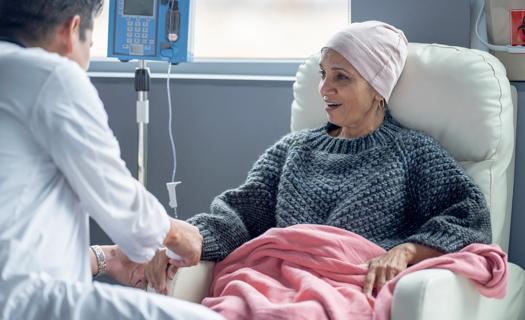
Doctors look at stage, biology, genetic risk and more to recommend your treatment plan
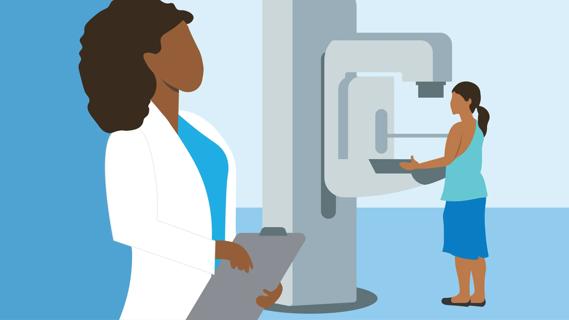
While you can’t change risk factors, like age or genetics, lifestyle choices and regular screenings can help lower your overall risk
Managing your weight through physical activity may lower your chances of getting this common cancer

It typically starts in October and winds down in early spring, with cases at their highest in the middle of winter

Anxiety disorders, health conditions and past trauma can make driving nerve-wracking — help is available
 Search










