Locations:





Celebrate individuality, create opportunities for cooperation, and stay calm and in control
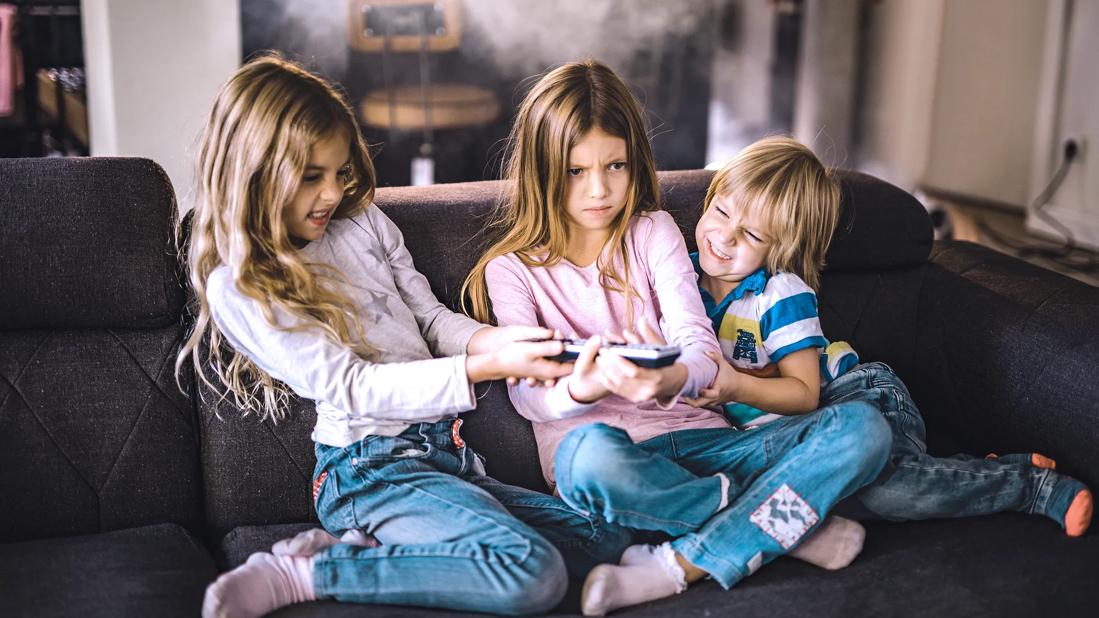
Image content: This image is available to view online.
View image online (https://assets.clevelandclinic.org/transform/0c3a256c-26e5-482c-abe6-f137e000c0e9/siblings-fight-remote-control-1188343800)
Three siblings sitting on couch fighting over TV remote control
The kids are fighting … again. And you’re beyond tired of playing referee day after day. Sure, occasional scuffles help build social and emotional intelligence. But enough is enough!
Advertisement
Cleveland Clinic is a non-profit academic medical center. Advertising on our site helps support our mission. We do not endorse non-Cleveland Clinic products or services. Policy
Disagreements happen. But knowing how to deal with sibling rivalry can lessen its frequency and impact. Psychologist Susan Albers, PsyD, offers 10 tips to help you keep the peace.
If you want to learn how to handle sibling rivalry, you first need to figure out what’s behind it. And keep in mind: Some squabbling is normal, and even positive.
Dr. Albers explains that siblings are often your child’s first peer group. These relationships are where they learn social skills, like how to share, manage conflict and communicate.
It’s also where they learn to compete.
“Competition is at the root of sibling rivalry,” explains Dr. Albers. “Not all competition is bad. It can make you work harder. But it becomes toxic and damaging when it goes too far or parents encourage it.”
Other factors include:
Advertisement
Some sibling rivalry is inevitable. But your situation isn’t hopeless.
“There’s no way to stop the bickering forever, but there are ways to reduce friction and work toward resolution,” Dr. Albers reassures.
Parents and caregivers can help diffuse sibling rivalry by making small, everyday changes. Dr. Albers recommends 10 strategies.
Be mindful of what your kids are doing so you can intervene before a conflict escalates.
When you do get involved, keep your cool. If your child starts to hit, reiterate that violence isn’t tolerated or acceptable. Tell them that using their words is the only way to solve a problem.
Avoid comparing your children, favoring one over the other or encouraging competition between them. Instead, create opportunities for cooperation and compromise.
One way to do that? Create chances for them to spend time with each other — and with you.
“Family dinners, beach days and board game nights give kids space to bond and build happy memories,” Dr. Albers shares. “These activities also mean time with you that they don’t have to compete for.”
If your children watch you slam doors and fight loudly with loved ones, they’ll think it’s a proper way to handle their conflicts, too.
“Be a good role model. They’ll learn how to get along with their brothers and sisters by watching you interact with your friends, family and partner,” advises Dr. Albers.
Demonstrate how to share by splitting the last piece of pie or working together on a chore. And let them hear you apologize when conflicts arise.
Children are less likely to fight if they feel you appreciate each of them as individuals. To do that, Dr. Albers suggests that you:
And avoid overgeneralizing when talking about your kid’s character, traits and talents. Pigeonholing can create a competitive atmosphere.
“Rather than label children with one word or characteristic, list many of their accomplishments, skills and attributes,” Dr. Albers advises. “Instead of saying, ‘Jane is the artistic one,’ say, ‘Jane is talented at art, caring and works hard at school.’”
For parents, fairness is essential, but fair doesn’t always mean equal.
Punishments and rewards should be tailored to your children’s needs. For example, you don’t have to give two children the same toy. Instead, give them different toys suited to their ages and interests.
Advertisement
Instead of playing the blame game, sit fighting siblings down and have a calm conversation.
“Ask your child how the conflict is making them feel,” recommends Dr. Albers. “Getting each kid’s perspective can make your children feel cared for and taken seriously. Even if you can’t solve the problem, hearing them out can soothe hurt feelings.”
Questions you can ask to help the discussion along include:
During a fight, most kids are frustrated and emotional. It may take time to parse out the details, but listening to your children and respecting their feelings can make a big difference.
“Their emotions aren’t an excuse for negative or aggressive behavior, but children will be more likely to cooperate if they feel they’re being heard,” Dr. Albers says.
Use conflict as an opportunity to provide tools for solving future problems. Demonstrate how they can compromise, share or approach a similar situation in a more positive, appropriate way.
If a spat between siblings results in the need for discipline, avoid making those conversations public. Shaming a child in front of their siblings can create greater animosity between them.
Advertisement
Gather everyone together and give each family member a chance to say what they want to say. Then, establish clear house rules. Hang these rules in a public space to remind everyone of the commitments they made.
“This allows you to point to the rule rather than choose which child is ‘right,’” explains Dr. Albers.
Dr. Albers adds that it’s important to get help if the conflict between your kids is affecting their (or your) ability to function. Pick up the phone if:
“A therapist can help you figure out how to deal with sibling rivalry,” she says. “That means identifying each kid’s boundaries, communication style and triggers — and figuring out how to work through both the conflicts and the emotions they drag up.”
If you don’t have a therapist, start with your kid’s pediatrician or a school counselor. They can help you build the support system your kids need to diffuse a sibling rivalry.
Advertisement

Sign up for our Health Essentials emails for expert guidance on nutrition, fitness, sleep, skin care and more.
Learn more about our editorial process.
Advertisement

The imaginary illness that routinely spreads on playgrounds offers some real-life lessons
Most kids start losing baby teeth around age 6 — but there’s some wiggle room in the timeline
From playful movement to strength-building, kids need exercise to stay healthy and strong
Combat summer learning loss and keep young brains engaged with low-pressure learning
Heap on the praise for a job well done and stay consistent
Have their eyes evaluated shortly after birth, before their first birthday, and at ages 3, 5 and beyond
Routine screenings at school are normal and important
We don’t fully understand how cleanliness impacts immune system development, but we do know that preventing illness is important

Managing your weight through physical activity may lower your chances of getting this common cancer

It typically starts in October and winds down in early spring, with cases at their highest in the middle of winter

Anxiety disorders, health conditions and past trauma can make driving nerve-wracking — help is available
 Search










