Locations:





This parenting style emphasizes empathy, respect and clear expectations
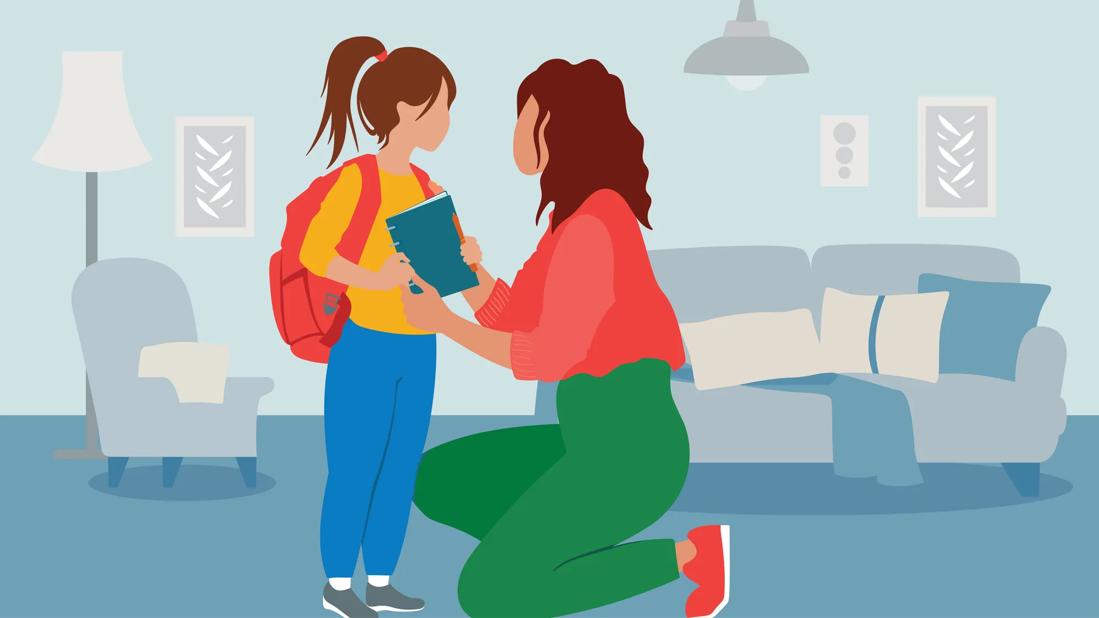
Image content: This image is available to view online.
View image online (https://assets.clevelandclinic.org/transform/32035589-455c-43a4-b5bb-4901cc101372/parent-talks-child-before-school-1411293855)
Caregiver on bended knee talking with child with backpack on at home
When your toddler melts down in the grocery store or your kindergartener refuses to put on their shoes, what do you do? Some parents or caregivers can lose their cool. Others may be tempted to just shrug it off as “kids being kids.”
Advertisement
Cleveland Clinic is a non-profit academic medical center. Advertising on our site helps support our mission. We do not endorse non-Cleveland Clinic products or services. Policy
Gentle parenting encourages a different response. This parenting approach focuses on helping your child recognize their emotions and behavior while setting clear, consistent boundaries. No yelling. No screaming. But no letting the kids walk all over you either.
“It’s about being a coach for your child and helping them work through tough emotions,” says pediatrician Karen Estrella, MD.
Dr. Estrella shares what gentle parenting is all about, and how it’s different from other parenting styles.
Gentle parenting is a parenting style built on empathy, respect and understanding. It encourages parents to teach children why certain behaviors are expected and to help them develop emotional regulation skills.
But that doesn’t mean letting kids run the show.
Gentle parenting requires that parents understand the developmental stage their kids are in.
Toddlers in particular learn through cause-consequence. For example, if they help clean up after dinner, then they’ll get a high-five and a smile from their parents. If they throw their food, then they won’t get dessert after.
“Children will normally try to push boundaries, as they want to know how far they can go and what they’re allowed and not allowed to do,” Dr. Estrella explains. “It’s how they learn to socialize.”
Advertisement
Young children might not understand the difference between sad, angry, frustrated or tired. They lack a concept of time, and they may not recognize that not everything has to revolve around their desires.
“The idea is to help kids not only stop the behavior, but also understand why they’re feeling the way they are and why that behavior isn’t OK,” she continues.
For example, imagine your child refuses to get dressed for school. Instead of yelling, “Hurry up! You’re making us late!” you might:
“Gentle parenting is about taking a pause as a parent and working through difficult times with your child,” Dr. Estrella says. “In practice, it sounds good, but it can be challenging for parents. When conflict happens and you’re angry, it can be tough to keep yourself in check.”
Gentle parenting can help children:
But it can come with challenges, too. For example:
Parenting is a journey — and you’re not always going to get it right. That’s OK.
Dr. Estrella recommends starting with a few simple habits to work toward a gentle parenting approach.
Advertisement
Above all, remember that gentle parenting doesn’t mean avoiding discipline or trying to be your child’s best friend. It means teaching instead of yelling, listening instead of reacting, and setting firm, respectful boundaries that help your child learn from their mistakes.
“There’s this misconception that gentle parenting is about letting kids do whatever they want,” Dr. Estrella acknowledges. “But it’s not. Gentle parenting is about working with your child to help improve their behavior and develop the skills they need to manage more difficult situations down the line.”
Advertisement

Sign up for our Health Essentials emails for expert guidance on nutrition, fitness, sleep, skin care and more.
Learn more about our editorial process.
Advertisement

The best parenting style balances enforcing rules and showing plenty of love

If parents can’t get along with one another, they’ll need to determine what’s best for their child in separate situations

This burnout is characterized by physical and mental exhaustion and feelings like worry, guilt and overwhelm

It’s important to share the news in an honest and age-appropriate way and to open the lines of communication going forward

Don’t lose sleep over color palettes — your ‘sad beige baby’ couldn’t care less

Communicating with your family, setting expectations and finding healthy distractions can make life easier once your kiddo flies the coop

Setting specific expectations and praising good behavior are crucial to cultivating discipline

Posting intimate details of your child’s life on social media, like their birth date and school name, can have serious consequences

Managing your weight through physical activity may lower your chances of getting this common cancer

It typically starts in October and winds down in early spring, with cases at their highest in the middle of winter

Anxiety disorders, health conditions and past trauma can make driving nerve-wracking — help is available
 Search










