Locations:





Tips for making food and lifestyle choices that improve fertility

Image content: This image is available to view online.
View image online (https://assets.clevelandclinic.org/transform/f6bd87d4-c1b4-4fdd-b28a-47280b7e46e8/manHealthyFoodFertile-659856961-770x553_jpg)
Man serving a healthy breakfast to his two children
Infertility affects about 15% of couples worldwide. But when it comes to fighting infertility, it’s not just about eggs anymore. In about half of couples, there’s a male factor contributing to infertility.
Advertisement
Cleveland Clinic is a non-profit academic medical center. Advertising on our site helps support our mission. We do not endorse non-Cleveland Clinic products or services. Policy
Today, more men are being evaluated for the root causes of infertility at hospitals and clinics. There are even semen testing kits that allow men to take their own sperm counts at home.
Here, male infertility specialist Sarah Vij, MD, explains how making better food choices and staying active can improve your overall health, including your chances of becoming a father.
A: Men should focus on making changes that are within their control. Helping them understand the role of diet and lifestyle can inspire better health choices, which often improve fertility as well as overall health. In fact, the desire to become a father can be a great motivating factor in helping some men get healthy.
It’s important to remember that improving fertility may involve making several changes over time.
A: Obesity is often the result of an unhealthy diet. Research shows that obesity can lead to poor sperm quality. It also can lead to low testosterone and high estrogen, which can negatively affect male fertility.
Sperm production is dependent on normal testosterone levels. Testosterone can also affect a man’s heart, bones and blood sugar. Helping men focus on getting their testosterone levels back to normal can help improve many health factors, including fertility.
Advertisement
Diet and lifestyle can affect both erections and sperm health. Certain diets, including those high in fat and animal protein, have been shown to hurt sperm health. High-sugar diets can lead to diabetes, a condition that is bad for sperm health and erections. For some men, getting diabetes at an early age from poor eating habits can lead to long-term health consequences.
A: There’s a lot of information out there about vitamins and supplements that can help fight infertility. While there is evidence to support their benefits, they may not be a game changer alone. Certain supplements like L-carnitine, coenzyme Q10 and vitamin C, among others, may improve sperm health.
For men who are overweight with poor diets, it’s more important to focus on getting back to a normal weight and increasing exercise. Those are likely to have a bigger impact on fertility and overall health than vitamin supplementation.
A: Most doctors recommend following a balanced, nutritious diet, such as the Mediterranean diet, that includes the following:
A: To safeguard fertility, be careful with the following foods and drinks:
A: Moderation is the key. It’s better to stick to a balanced, nutritious diet than to get involved in fad or fasting diets that promise quick or unrealistic results. Maintaining a healthy weight isn’t only good for sperm health, it’s also good for preventing diabetes and heart disease.
It’s important to maintain your overall health through moderate exercise and healthy eating — both to help improve your fertility and to ensure that you have a long, healthy life with your children!
Advertisement

Sign up for our Health Essentials emails for expert guidance on nutrition, fitness, sleep, skin care and more.
Learn more about our editorial process.
Advertisement
The list includes eating a healthier diet, managing your weight and reducing stress

Your fertility, menstrual cycle and period symptoms can return quickly
For most people, the risks outweigh the possible benefits

Most penis-enlargement products, devices and procedures deliver only modest (if any) gains
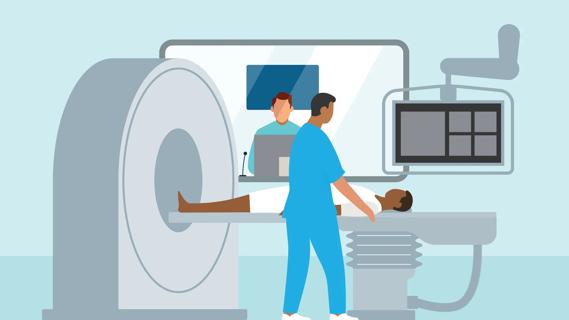
This imaging can help your care team see where the cancer has spread and determine the best treatment for you

PMOS can make conception challenging, but healthy habits, medication and fertility treatment can help

Genetics, hormones and aging are usually responsible, but treatments can help slow hair loss and even encourage regrowth

While it’s probably not your most fertile time, it is possible to get pregnant if you have unprotected sex during your period

Managing your weight through physical activity may lower your chances of getting this common cancer

It typically starts in October and winds down in early spring, with cases at their highest in the middle of winter

Anxiety disorders, health conditions and past trauma can make driving nerve-wracking — help is available
 Search










