Locations:





 Search
Risks of this restrictive eating plan include digestive issues, heart disease and cancer
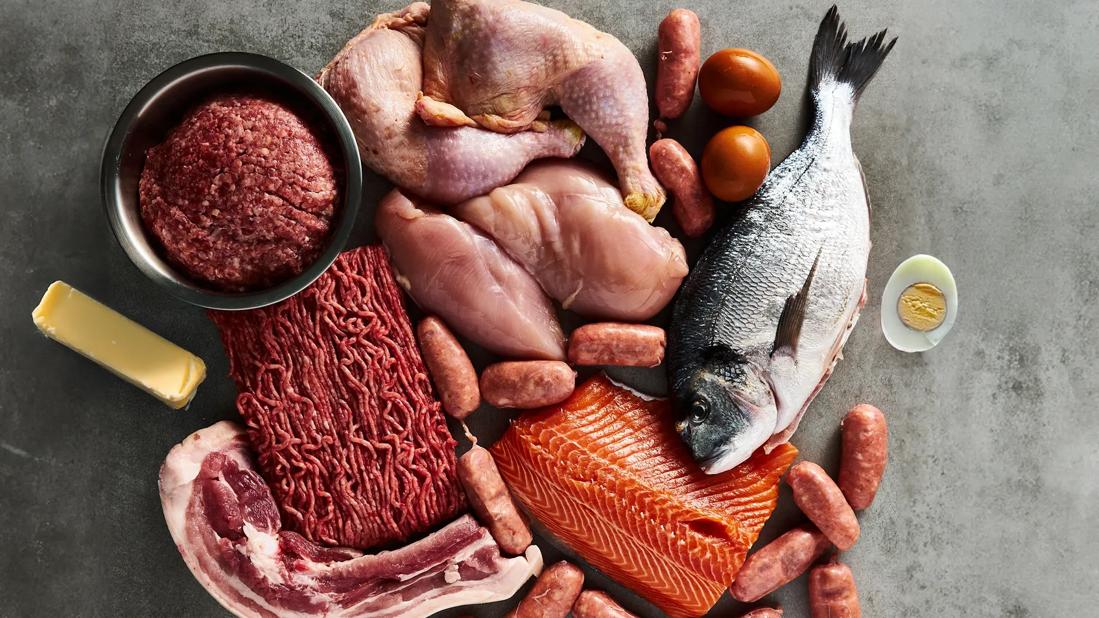
Image content: This image is available to view online.
View image online (https://assets.clevelandclinic.org/transform/6bf8ff37-4e05-4883-a5fc-4942a3876b7b/carnivore-diet-1947263844)
Carnivore foods, including beef, pork, chicken, fish, butter and eggs
Do you like your meat with a side of … well, meat, or some other animal-based food? That’s the basic meal plan for someone following the carnivore diet, a restrictive way of eating that’s growing in popularity.
Advertisement
Cleveland Clinic is a non-profit academic medical center. Advertising on our site helps support our mission. We do not endorse non-Cleveland Clinic products or services. Policy
Supporters of the high-protein (and high-fat) diet argue that it can help you lose weight and protect against chronic diseases by eliminating carbs and plant-based foods.
But it’s also safe to say the meat-centric eating plan raises many questions and concerns.
So, does the carnivore diet live up to its social media sizzle or is it best ignored in the name of healthful nutrition? Let’s take a closer look with the help of registered dietitian Kate Patton, RD, LD.
The carnivore diet aims to avoid all carbohydrates by filling your plate only with food sourced from animals, says Patton. In doing so, it disregards most of the classic building blocks recommended for a balanced diet.
The no-carb goal pushes the carnivore diet a step beyond other protein-heavy eating plans, like the keto and Atkins diets. (Those plans include at least some carbs.)
Eating with a carnivore mindset has gained traction of late through books and social media influencers, but meat-only diets have been touted for hundreds of years. Many say it reflects the natural way our ancestors ate.
The suggested carnivore diet menu features:
Advertisement
Almost everything else found in the grocery store is ignored. That includes fruit, vegetables, whole grains, legumes and nuts — which covers A LOT of foods often celebrated for their nutritional value.
The carnivore diet also recommends against eating highly processed meats, such as sausages or deli meats, given the additives.
Different foods offer different vitamins and nutrients. Eating a variety of foods helps your body get the nutrients it needs to be at its best, emphasizes Patton. (Hence, the balanced “MyPlate” method and recommendations like the Dietary Guidelines for Americans.)
The carnivore diet overlooks entire food groups that offer many health benefits, Patton says. Eating only meat and animal-based products can leave your body nutritionally deficient in some areas.
Other restrictive ways of eating — including veganism, the polar opposite of going carnivore — bring similar concerns about nutrient gaps.
“When you omit entire food groups from your diet, there are consequences,” Patton states.
Influencers promoting the carnivore diet share many potential benefits, usually supported by anecdotal accounts. Scientific research specific to the eating plan is in short supply, says Patton.
Here are a few of the most cited positives:
Going to a meat-based diet can bring side effects that negatively affect your health. Issues include:
Advertisement
Patton doesn’t mince words when it comes to this question: “In my opinion, no,” she states.
Instead, she recommends eating in a way that maximizes the benefits of different food groups. Focus on filling your plate with a range of whole foods like fruits, vegetables, grains and lean meats.
There may be some benefit in limiting carbs, especially simple carbs high in added sugar (like white bread and baked goods). But it’s not ideal for your body to cut out all carbs.
“The key is moderation,” emphasizes Patton. “It really is about finding a balance that’s right for you.”
Advertisement

Sign up for our Health Essentials emails for expert guidance on nutrition, fitness, sleep, skin care and more.
Learn more about our editorial process.
Advertisement
Both are healthy choices, but wild-caught salmon offers a few more benefits
These bright berries are packed with nutrients and antioxidants that may support your eyes, immune system and overall well-being

The general rule is 1.2 to 1.6 grams of protein per kilogram of body weight — but that may not be exactly right for you
Prepping ingredients ahead of time, rethinking your snacks and making smart protein swaps can up your daily intake

It’s a good on-the-go option and can help build muscle and aid in weight loss

From fighting inflammation to boosting athletic performance, this colorful root veggie offers plenty of health benefits

A mango a day may help keep hunger and bloating away
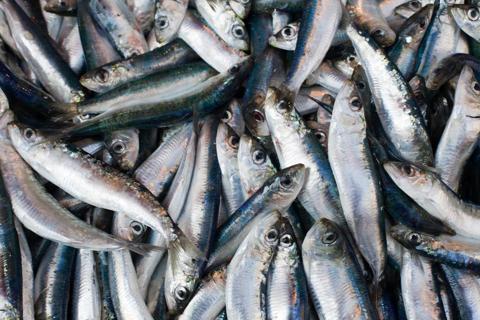
These tinned fish are rich in nutrients that support whole-body health

Gradually increasing your training, choosing proper footwear and listening to your body can help keep shin pain from sidelining your workouts

Self-stimulating behaviors can help you self-regulate or cope with intense emotions

At-home remedies may help calm symptoms and make it easier to relax at bedtime











