Locations:





 Search
Some dryers spread germs instead of removing them
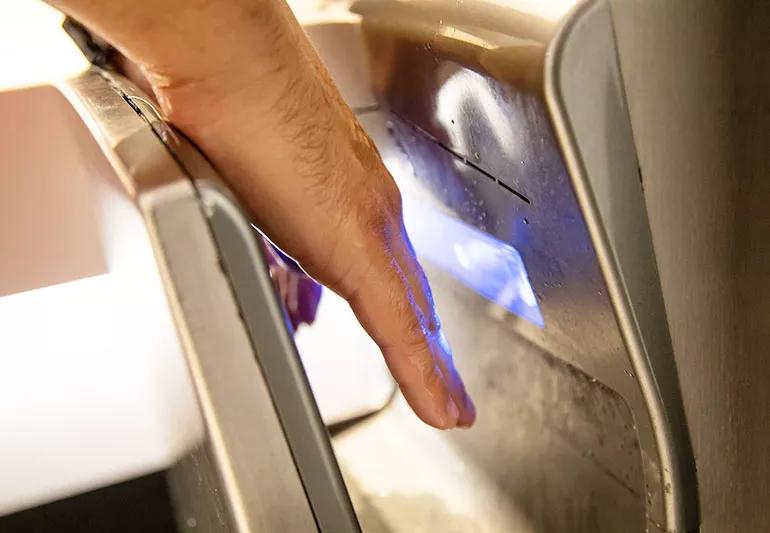
One sure-fire way to keep flu and other viruses at bay is to wash your hands often and well.
Advertisement
Cleveland Clinic is a non-profit academic medical center. Advertising on our site helps support our mission. We do not endorse non-Cleveland Clinic products or services. Policy
But if you can, avoid high-speed jet air dryers in public restrooms. Research shows that they spread — rather than remove — germs. The same is true to a lesser extent for warm-air dryers.
The clear winner: Good old-fashioned paper towels.
“We often say handwashing is the key to preventing the spread of illness,” says family medicine physician Daniel Allan, MD. “But wet hands increase the risk of transmitting bacteria, so drying is an equally important step in prevention.”
The healthcare and food industries are obsessed with hand hygiene. That’s because in a hospital, transmitting viruses and bacteria can mean life or death. And in a restaurant or on a cruise ship, foodborne illnesses like E. coli and coronavirus can make people severely and even critically ill.
Lots of research has focused on handwashing — and hand drying — techniques as a result.
Let’s separate fact from fiction when it comes to hand drying.
Fact: Hand dryers can spread viruses and bacteria
The airport. The mall. Your beauty salon. You may have noticed how many public buildings have switched to hand dryers in recent years. Yet researchers have found that mechanical hand dryers may essentially “undo” what handwashing does in the first place — get rid of germs.
Advertisement
In a small 2021 study, volunteers wore aprons while washing and drying their hands. Half of the participants used paper towels to dry their hands, while the other half used a jet air dryer. The researchers then analyzed the aprons, the participants’ hands and the surfaces they touched afterward to see how viruses spread.
The results showed that the people who used hand dryers had more viruses on their hands and aprons than those who used paper towels. But it’s important to keep in mind that the experiment used high amounts of microbes that may not be found in an average environment and that the sample size was very small.
Still, these findings were similar to results from other studies, including a 2018 study that found that hand dryers can blow bacteria present in public bathrooms onto your hands.
While this doesn’t confirm that hand dryers can spread certain viruses, the World Health Organization (WHO) did make it clear that hand dryers can’t protect against the COVID-19 virus.
Fact: Jet air dryers spread more microbes than warm air dryers
Could certain air dryers be worse than others? In a 2015 study, microbiologists aimed to find out by comparing jet air dryers to warm air dryers and paper towels.
Here’s what they found:
The way each method works helps to explain the results. Jet air dryers force air out sideways at ultrahigh speeds, while warm air dryers work by evaporation. Paper towels absorb water. Essentially, both types of hand dryers spread microbes, but jet air dryers have been found to do it more aggressively.
Fact: Paper towels are the most hygienic
When you’re in a public restroom, remember that low-tech is sometimes better than high-tech and stick with paper towels. As the above studies have noted, opting for paper towels will keep more germs off your freshly cleaned hands than air dryers.
“Drying your hands with paper towels not only dries them faster, but the friction also dislodges bacteria to leave them cleaner,” notes Dr. Allan.
And those cloth towel dispensers? It’s best to avoid them. The patch of cloth at the end of the roll tends to get used over and over again. This transmits germs from hand to hand.
Advertisement
Handwashing is still one of the best ways to protect yourself against bacteria and disease.
The U.S. Centers for Disease Control and Prevention (CDC) recommends the following:
No matter where you go, it’s probably a good idea to carry around some hand sanitizer. If you’re in a public restroom that only has air dryers, you can try and cover your bases by sanitizing your hands after drying them.
Hand sanitizers are better than nothing, according to the CDC. But they won’t clean visible dirt or grease, they can’t kill all germs and they can’t remove all harmful chemicals. If hand sanitizers are your only option, make sure they are at least 60% alcohol.
Keeping your hands germ-free is an important part of staying healthy. Wash your hands before and after preparing and eating food, after blowing your nose or sneezing, and after using the bathroom. If you’re using a public restroom, your best bet is to skip the hand dryer as well.
Advertisement
Sign up for our Health Essentials emails for expert guidance on nutrition, fitness, sleep, skin care and more.
Learn more about our editorial process.
Advertisement

Follow these tips, like hand washing and self-care, to keep illness at bay as you celebrate the season
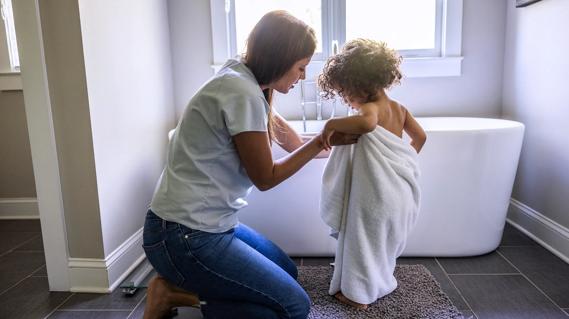
Wash your bath towels at least once a week, and washcloths at least twice a week
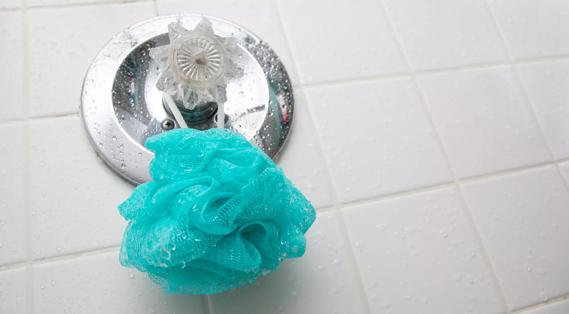
This puffy shower accessory can become lodged with skin cells (and other gross things), so make sure you dry it daily and clean it once a week
Allergies, postnasal drip, asthma or reflux could be to blame for a cough that won’t quit
Correct positioning is one of the keys to getting the best results
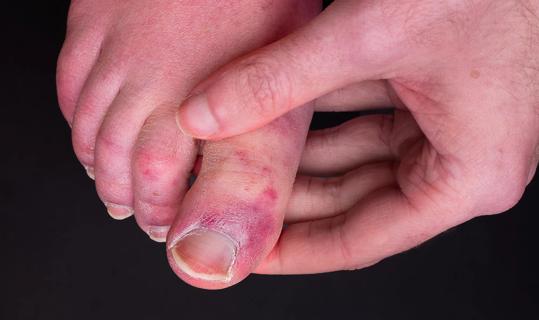
Chilblain-like skin lesions and rashes are mild (and rare) complications of many viral infections, not just COVID-19

They can feel similar, but the differences matter — especially if you’re at higher risk for complications
Yes, but symptoms can be easy to miss

Even small moments of time outdoors can help reduce stress, boost mood and restore a sense of calm

A correct prescription helps your eyes see clearly — but as natural changes occur, you may need stronger or different eyeglasses

Both are medical emergencies, but they are very distinct events with different causes











