Locations:





Moisturizing, running a humidifier and adjusting your shower routine may help keep itchiness and irritation at bay
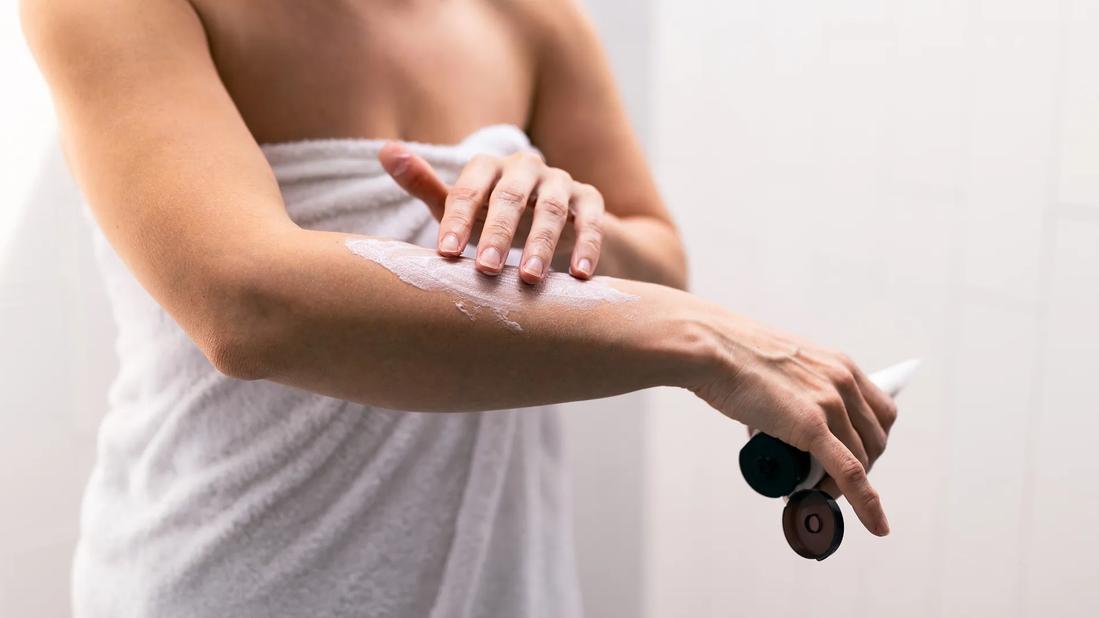
Image content: This image is available to view online.
View image online (https://assets.clevelandclinic.org/transform/902eacf6-7e12-48f4-86b3-ffe979838085/moisturizing-after-shower-2286512617)
Person applying lotion after a shower
It’s winter! ‘Tis the season for … well, itchy, flaky and irritated dry skin.
Advertisement
Cleveland Clinic is a non-profit academic medical center. Advertising on our site helps support our mission. We do not endorse non-Cleveland Clinic products or services. Policy
What can you do to be more comfortable in your own skin as the months get colder? Dermatologist Jennifer Lucas, MD, MHCM, shares tips on keeping your skin looking and feeling its best.
Blame the weather. Several different changes occur when days get shorter and temperatures drop that can affect your skin, including:
“Put it all together, and it’s easy to see how dry skin becomes an issue,” Dr. Lucas says.
The conditions for dry skin are more common in the winter, but that doesn’t mean it’s unavoidable. Dr. Lucas shares steps to add moisture to your skin, even when Jack Frost goes for your nose.
Advertisement
A long, hot shower feels great when it’s chilly outside — but it’s not the best for your skin.
“The heat in the water melts all the oils off your body,” explains Dr. Lucas. “The warmer the water, the drier your skin’s going to be.”
She recommends limiting showers to five to 10 minutes and dialing the knob back so the water feels lukewarm. It may not feel as nice, but it will help protect your skin’s natural barriers. Try the following, too:
After showering, gently pat yourself dry and apply a moisturizer to help keep your skin hydrated and healthy.
Timing is important, too. Aim to get that moisturizer on within three minutes, before the dry air starts to evaporate the moisture on your skin.
“You’re using the moisturizer to trap moisture in your skin,” Dr. Lucas points out. “When your skin is damp after a shower, applying moisturizer helps seal it in.”
When shopping for moisturizers and skin creams, remember: The better they smell, the more likely they are to irritate your skin.
“Products with added fragrance can lead to micro-irritations and allergic reactions,” Dr. Lucas says. “All of those little irritations build up, and over time, that can cause dry, itchy, cracked skin.”
Instead, lean toward tried-and-true unscented moisturizing products that help rebuild your body’s moisture barrier, like:
Avoid the temptation to exfoliate whenever you see dry, flaky skin.
“Exfoliating is super potent,” Dr. Lucas cautions. “It strips moisture or oils out of your skin, which can make it feel itchier and drier.”
She recommends exfoliating just once or twice a week max.
Wind and long-term exposure to cold air can easily dry out the delicate areas on your face. So, if you’re the type who celebrates the cold, it’s important to shield your skin.
Dr. Lucas recommends applying a thicker moisturizer to exposed skin before you step out. Keep a travel-sized container in your bag or coat pocket so you can reapply and maintain that hydration all day.
Advertisement
And if you’ll be carving through the slopes, spinning on a frozen pond or even enjoying a nature walk, consider additional barriers, like:
Your hands see a lot of wear and tear — and your skin can show it. Seek out moisturizers that include dimethicone, a silicone-based product that’s great for keeping skin soft.
“Moisturize your hands as much as you can to keep them from getting too dry,” recommends Dr. Lucas. “A good trick is to cover them in petroleum jelly-like products and then cover them with a cloth glove while you’re sleeping.”
She also suggests wearing gloves when you’re:
Skin care products you use on a routine basis can contribute to dry skin in winter. Retinol and other ingredients in anti-aging products, for instance, may be too drying for daily use once the cold weather settles in.
“They may work well most of the year, but you might want to scale back or add something to them,” says Dr. Lucas. “For example, a hyaluronic acid product can give back moisture that anti-aging skin creams, lotions and serums take away.”
Advertisement
Acne medications can also dry out your skin, especially if they contain skin-irritating ingredients like salicylic acid or benzoyl peroxide. Avoiding daily use may help your skin stay moist and clear.
You may not think about dehydration during the winter. But when you don’t drink enough water, your body conserves moisture by pulling it away from less critical areas, like your skin.
“Hydration is key to a healthy glow,” emphasizes Dr. Lucas. “Drinking enough water is just as important as moisturizing on the outside.”
Foods rich in healthy fats, like avocados and olive oil, also help produce your skin’s natural oil barrier.
The cold air outside holds less moisture than during the summer months, and indoor heating removes moisture from the air, too. But running a humidifier in your home helps boost moisture in the air around you.
Your bedroom is usually the best place for it, given how many hours we spend there. Aim to keep your in-home humidity level between 30% and 50%.
While cracked, irritated skin can make an uncomfortable appearance at any time of the year, it’s more common to have dry skin during winter. Taking a few proactive steps can help keep your skin moisturized and healthy even when the temperature drops.
Advertisement
“Prevention is always the best approach,” advises Dr. Lucas. “Don’t wait until your skin is dry and cracked to do something. Start early with your skin care routine, and you may be able to avoid issues.”

Sign up for our Health Essentials emails for expert guidance on nutrition, fitness, sleep, skin care and more.
Learn more about our editorial process.
Advertisement

Dressing in multiple layers, drinking warm liquids and taking breaks indoors can help prevent these cold-weather injuries

Exerting yourself in cold temperatures increases your risk of a cardiac event

Used correctly, a humidifier can help with nose bleeds, allergies, dry skin, sleep quality and more

Stretch before heading outside, keep proper form and avoid jerking or twisting to throw snow

If the flakes are undisturbed, pristine white and come from the top layer, it’s typically safe to indulge in a scoop

A cold one out in the cold can cause a false sense of warmth and increase your risk of hypothermia

Indoor allergens know no season!

Sneak in exercise when you can, pack your own lunch and make time for mental health

Hormonal changes, a slower metabolism and muscle loss can make weight gain more common around menopause — healthy habits can help you manage it

Life-threatening complications include sepsis, stroke, pneumonia and more

Fruity-smelling breath can happen when your body burns fat for energy, and in some cases, can signal a medical emergency
 Search










