Locations:





Trail running swaps pavement for dirt, rocks and rugged terrain — stay safe by planning ahead

Image content: This image is available to view online.
View image online (https://assets.clevelandclinic.org/transform/46058ef2-46be-43f7-9726-7d74fa911417/Trail-running-1646889002)
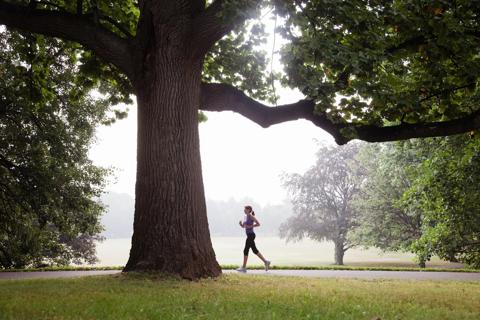
Person trail running
If your usual running route takes you through a familiar maze of sidewalks or a never-ending loop of a treadmill, you may be looking for a change of scenery.
Advertisement
Cleveland Clinic is a non-profit academic medical center. Advertising on our site helps support our mission. We do not endorse non-Cleveland Clinic products or services. Policy
That’s where trail running can come in. It combines exercise and adventure with every stride. And running in the great outdoors can be good for your body, helping you unplug, unwind and reap the benefits of time spent in nature.
“There’s something rewarding about getting off the asphalt and exploring new terrain,” says sports medicine specialist Jessica Tomazic, MD. “Trail running challenges your body in different ways and gives you a chance to experience places you might otherwise never see.”
But before you hit the trails, it’s important to know what you’re getting into. Dr. Tomazic lays the groundwork.
Trail running is exactly what it sounds like: Running on natural surfaces instead of navigating the concrete jungle.
That can include running through:
While road running tends to offer a predictable surface, trail running keeps you on your toes. Sometimes, literally.
“When you’re running on trails, the terrain is constantly changing,” Dr. Tomazic points out. “You’re navigating roots, rocks, hills and uneven surfaces, which demands more balance, coordination and attention.”
For some runners, that extra challenge is part of the appeal. But it also means trail running can require more preparation and awareness than your typical jog around the block.
Advertisement
If you’re new to trail running, resist the urge to tackle the most rugged terrain immediately.
“Start with easier trails and gradually progress,” Dr. Tomazic advises. “Trail running uses stabilizing muscles and balance systems that even experienced road runners may not be ready for. Giving your body time to adapt can help lower your risk of injury.”
Look for beginner-friendly trails that are:
You can work your way up to more challenging terrain as you gain confidence, improve your stamina and get a better feel for navigating obstacles.
Whether you’re jogging through a local park or tackling mountain paths, there’s a trail for nearly everyone.
Some running trails are little more than scenic dirt paths on relatively flat ground. Others are more intense and meant for highly capable runners and navigators.
One of the biggest differences between road running and trail running is that help may not always be nearby. The proper gear can help you avoid injuries and minimize other risks.
“Trail running is incredibly rewarding,” Dr. Tomazic acknowledges. “But preparation matters.”
What you pack will depend on how long you’ll be gone, how remote the trail is, what the weather is like and other factors. But in general, Dr. Tomazic recommends bringing:
Trail running comes with a few unique challenges, and even experienced trail runners can find themselves in dicey situations. Planning ahead can help you avoid these risks.
When you’re running on uneven surfaces, you can be more susceptible to injuries, like rolling an ankle or taking a tumble.
Slow down when you need to and pay extra attention when going up and down hills, where footing can get particularly treacherous.
Advertisement
“Slowing down and walking steep climbs or technical descents is smart — not a sign of weakness," Dr. Tomazic emphasizes.
Consider investing in specialized trail-running shoes, too. They can provide better traction on dirt, mud and rocky surfaces.
Trail runs often last longer than expected, especially when hills and technical terrain are involved.
“The general advice is that most runners need regular fluids and roughly 30 to 60 grams of carbohydrates per hour during longer efforts,” Dr. Tomaciz advises.
Bring more water and food than you think you’ll need, particularly on unfamiliar routes.
Conditions can change quickly outdoors, and your weather app doesn’t always get it right.
If the forecast looks iffy, dress in layers and pack for rain. If it’s sunny and clear, bring sunscreen, sunglasses and a hat.
Even experienced runners can take a wrong turn, and you can’t always rely on cell service to help you find your way back.
Running with a friend is best whenever possible.
If you’ll be out alone, tell someone where you’re going and when you expect to return. Consider sharing your location with them via an app so they can track you on your run. Check in with them when you get home.
Advertisement
Trail running offers a chance to challenge your body while spending time outdoors. The key is to start small, prepare well and respect nature’s obstacle course. A little planning can go a long way toward helping you stay safe, so you can enjoy the trail ahead.
Advertisement

Sign up for our Health Essentials emails for expert guidance on nutrition, fitness, sleep, skin care and more.
Learn more about our editorial process.
Advertisement

This flexible ‘speed play’ running workout mixes fast and slow paces to build endurance, boost fitness and keep your routine from getting ... too routine

Jogging can improve your endurance, boost your mood and burn more calories than some other aerobic exercises

Improve your speed with interval training, strength training and consistent, healthy habits

Your diet in the weeks, days and hours ahead of your race can power you to the finish line

Using precautions like bandages and lubricants can help you run away from this uncomfortable condition

Rest may be all you need to get rid of running-related lower back pain
Reducing your pace allows you to log more miles and train your body for the stress of running

Running doesn’t cause knee arthritis, but you can take steps to minimize cartilage damage

Managing your weight through physical activity may lower your chances of getting this common cancer

It typically starts in October and winds down in early spring, with cases at their highest in the middle of winter

Anxiety disorders, health conditions and past trauma can make driving nerve-wracking — help is available
 Search










