Locations:





Staying hydrated, avoiding alcohol and being mindful of your triggers can help you manage HCM away from home
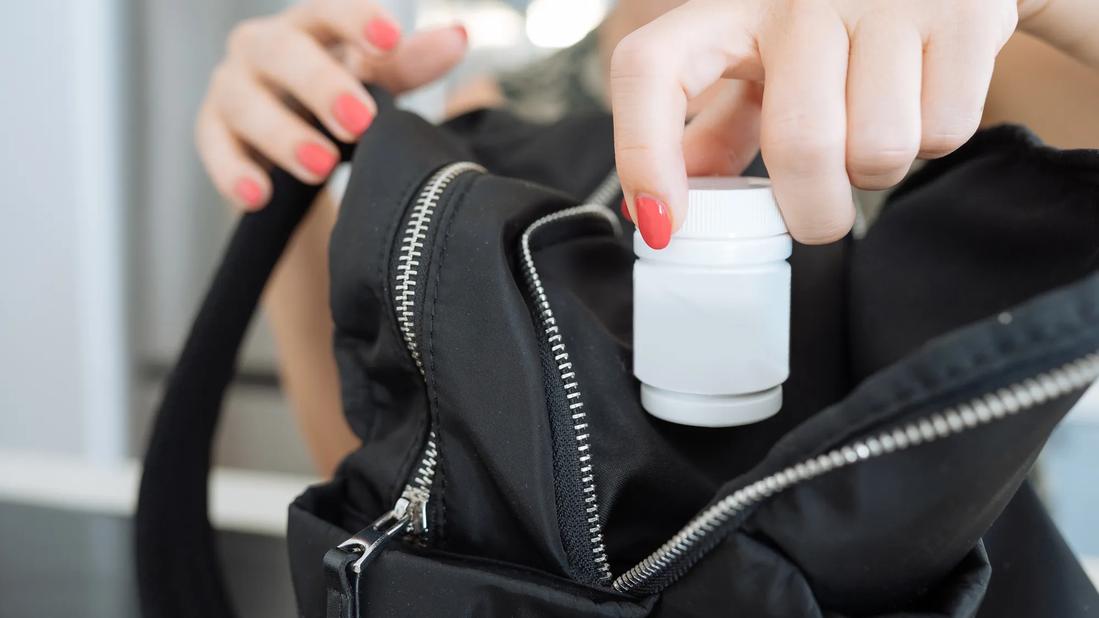
Image content: This image is available to view online.
View image online (https://assets.clevelandclinic.org/transform/9c006ead-f729-403b-96cb-f2ee7357cf3b/packing-medication-1772368784)
Person packing bottle of medication in bag
Traveling can be fun. But it can also be a lot of work. From lugging suitcases and standing in lines to adjusting to new time zones and sleep schedules, the demands can be a lot for anyone.
Advertisement
Cleveland Clinic is a non-profit academic medical center. Advertising on our site helps support our mission. We do not endorse non-Cleveland Clinic products or services. Policy
But when you have hypertrophic cardiomyopathy (HCM), pushing yourself can force your heart to work harder and trigger symptoms like shortness of breath, fatigue and heart palpitations.
Does that mean travel is a thing of the past if you’re living with HCM? Not at all. But it does mean you’ll need to do a little extra planning and take precautions while you’re at your destination.
Cardiologist Milind Desai, MD, guides the way.
Being away from home means kissing your usual routines goodbye, and that’s often a welcome break. But with HCM, it’s important to think about what you normally do to manage your condition and continue those practices as much as possible during your time away.
“Travel disrupts your normal daily rhythms,” Dr. Desai points out. “You might not be falling asleep at your usual time or resting enough. You may be walking in hot, humid weather and not drinking enough fluids. These are all potential triggers for HCM symptoms.”
Being aware of these disruptions is important. But what can you do about them? Dr. Desai shares these tips.
The first step before planning any trip is to talk to your cardiologist. Make sure travel is OK for you based on your current health status.
Advertisement
“I’ve never told someone they shouldn’t travel,” Dr. Desai notes. “But everyone is different, and factors like medication changes or an upcoming procedure might make travel less than ideal at a certain time. Make sure your cardiologist gives you the all-clear.”
You can also ask for advice tailored to your needs. Your healthcare team knows you and your medical history. They may think of prep steps that may not have been on your radar, like requesting airport accommodations.
While you might be tempted to pack from memory, don’t chance it. Dr. Desai recommends making a list of what you need at home to manage HCM and any other medical conditions. Bring all those items with you. Examples include:
Whether it’s a flight delay or a friend who insists you stay one more day, your trip might get unexpectedly longer. Plan ahead by bringing more medications than you think you’ll need. Pack for at least a couple extra days’ worth.
Be sure to stow your meds in your carry-on bag, too, not your checked bag, so you don’t have to worry about skipped doses due to lost or delayed luggage.
Before you go, read up on your destination, especially if you’ve never been there before. “You don’t want any surprises when it comes to climate, altitude or distances you’ll need to walk,” Dr. Desai warns.
Vital stats to look up include:
You may also want to find the addresses for any museums, restaurants or other places you’d like to visit. Knowing their proximity to your lodging can help you decide the type of transport you’ll need to get there. This lets you avoid excessive walking — or at least know what you’re getting into when you head out.
Maybe you’re trying to avoid using public bathrooms. Or maybe you’re so busy that you simply forget to hydrate. No matter the reason, it’s common for many folks to drink far less water when traveling than they would at home.
“Dehydration is never ideal,” Dr. Desai says. “But when you have HCM, it’s especially important to drink enough water. Dehydration makes your heart work harder, which can lead to a drop in blood pressure, dizziness and fainting.”
Advertisement
Here are some ways you can make hydration a priority:
When you’re in vacay mode, an adult drink or two might sound nice. But think twice.
“Alcohol can dehydrate you and trigger arrhythmias,” Dr. Desai cautions. “Plus, if you have obstructive HCM, alcohol can worsen the obstruction and make it harder for blood to leave your heart.”
He advises completely avoiding alcohol if possible. But if you choose to imbibe, have no more than one drink at a time.
A busy itinerary can often mean a day that’s light on food … until you get to dinner. But that’s not a good idea when you have HCM.
“Many people with HCM develop symptoms after a heavy meal,” Dr. Desai says. “That’s because your stomach needs increased blood flow to digest all that food. This makes your heart work harder to pump blood to your digestive organs, leading to symptoms.”
So, make a point of having several small meals throughout the day. That way, dinner can be lighter, which is easier on your heart.
Advertisement
HCM affects each person a little differently, and it’s common for symptoms to change from day to day. That’s why knowing your personal triggers is so important — whether you’re home or away.
For example, if extreme heat gets to you quickly, plan to take lots of breaks and spend time in the shade. Avoid abrupt changes in body position, like standing up too fast, if those typically make you dizzy. If stress is a common trigger, build more time into your agenda so you’re not rushing between activities and places.
“A little extra planning at the start can save you from feeling unwell when you’re supposed to be having fun,” Dr. Desai says.
No one wants to hit up the hospital while on vacation. But Dr. Desai says you shouldn’t hesitate to seek medical attention if:
Healthcare providers will see what’s going on and make sure you get the care you need. Be sure to update your cardiologist when you get home, too.
In the past, people often viewed hypertrophic cardiomyopathy as a condition that imposed limits on life. Today, the picture is brighter.
“We’re no longer living in the past,” Dr. Desai emphasizes. “If travel brings you joy, do it. But work with your cardiologist to understand your risk profile and develop guardrails so you can stay safe, feel your best and enjoy every moment.”
Advertisement

Sign up for our Health Essentials emails for expert guidance on nutrition, fitness, sleep, skin care and more.
Learn more about our editorial process.
Advertisement
Fainting or nearly fainting with exertion are red flags worth taking seriously — but sometimes family history is the only clue

Anything that raises your heart rate or causes dehydration can worsen obstruction, leading to symptoms

HCM raises your risk, but monitoring and treatment can bring it back down

Factors like dehydration, stress, heavy meals, alcohol and aging can affect how you feel when you’re living with HCM

Some common drugs can worsen HCM symptoms, but never stop taking them without speaking to your cardiologist

Staying hydrated, exercising at moderate intensity and avoiding alcohol are just a few ways to care for yourself when you’re living with HCM

Consume caffeinated foods and drinks in moderation, if you have them at all

Yes, newer guidelines say mild intensity activity is OK for most people with this type of heart disease

Managing your weight through physical activity may lower your chances of getting this common cancer

It typically starts in October and winds down in early spring, with cases at their highest in the middle of winter
Anxiety disorders, health conditions and past trauma can make driving nerve-wracking — help is available
 Search










