Locations:





Your age and other factors may affect this injury
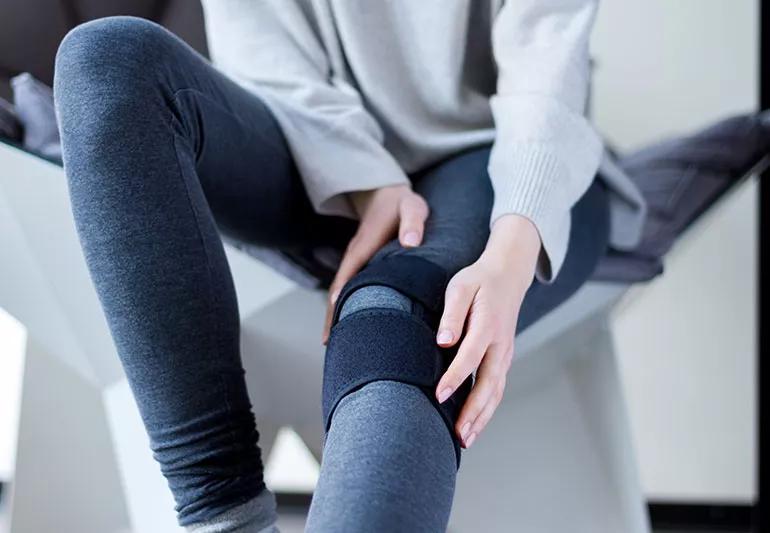
Image content: This image is available to view online.
View image online (https://assets.clevelandclinic.org/transform/99880c2e-40d0-4bf8-92dc-17413d11cc75/MeniscusTear-1188979403-770x533-1_jpg)
girl with knee brace for a torn meniscus
A meniscus tear is among the most common knee injuries, but you might be surprised to learn that your doctor may treat your injury differently, depending on how old you are.
Advertisement
Cleveland Clinic is a non-profit academic medical center. Advertising on our site helps support our mission. We do not endorse non-Cleveland Clinic products or services. Policy
A meniscal tear is a tear in the cartilages, or menisci, that are located between the two bones that make up your leg. “Treatment depends on several factors, from your age to the overall condition of the meniscus,” says orthopaedic surgeon Richard Parker, MD.
Like an insole in your shoe, menisci help absorb shock by providing a cushion between the upper and lower leg bones where they meet in the knee area. There are two of these crescent-shaped pieces of cartilage in each knee.
Meniscus tears often originate from a sudden twisting movement. The condition also can be caused by degenerative diseases like osteoarthritis. The injuries are sometimes sports-related, but they can also happen when you’re simply going about your everyday activities.
“This is true especially as you get older. Menisci start to get weaker around age 30, which means your risk of a tear increases as you age,” says Dr. Parker.
The short answer is that you may not know. “You can live with a meniscus tear,” Dr. Parker says. “And it may heal on its own, or just not cause you problems.”
However, you’ll know pretty quickly when it is a problem. You may hear a popping sound when it happens, and your knee may hurt. It also may swell and feel stiff, and you might have problems moving your knee or straightening it completely.
Advertisement
You can’t diagnose a meniscus tear on your own, but the answers to a handful of questions — such as where and when it hurts — can help your doctor uncover the cause of your knee pain.
If you think you’ve torn your meniscus, Dr. Parker recommends trying the steps spelled out in RICE as the first line of defense:
If these steps don’t help, your doctor may recommend one of two options: physical therapy or knee arthroscopy, a type of surgery. “In the past, it was typically surgery first and then physical therapy, but that has changed in recent years,” Dr. Parker notes.
“For those over the age of 40, or if you have arthritis, physical therapy alone may be as effective as surgery,” he says.
One of the benefits of starting with physical therapy is that you can still have knee arthroscopy if it isn’t effective. Another is that physical therapy doesn’t pose the same risks as surgery.
Arthroscopy is a common, safe surgical procedure used to diagnose and treat knee and other joint problems. But an infection risk or problems with anesthesia are possible with any surgery.
Finally, meniscus surgery might not fix the problem if, for example, there’s too much wear on the joint. Not all meniscus tears can be repaired surgically.
You can’t stop the aging process or the normal wear it causes to your menisci, but you can make changes in your diet and exercise to keep your joints healthy. But bear in mind that not all exercises are beneficial.
Dr. Parker’s top recommendation as you get older is to avoid doing deep knee squats and similar activities. “They put a lot of stress on your knees,” he says, and the potential health benefit is offset by the potential for injury.
That doesn’t mean you shouldn’t continue exercising or get started on a healthier lifestyle. Among other general injury prevention tips, Dr. Parker says, “the best advice is to take it slow and listen to your body as you exercise.”
Advertisement

Sign up for our Health Essentials emails for expert guidance on nutrition, fitness, sleep, skin care and more.
Learn more about our editorial process.
Advertisement
Consider the severity and location of your arthritis to decide on the right support

Nighttime knee pain could be from inflammation, injury or another condition that gets worse with pressure and positioning

The adjustable strap offers added stability that can reduce irritation to your patellar tendon
Like other surgeries, there are small risks for complications and potential long-term restrictions
After knee arthroplasty, swelling-related pain is common, but infection and blood clots are also risks
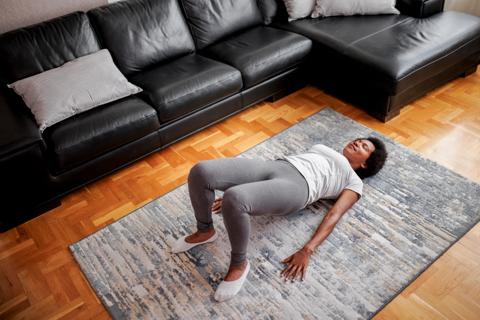
Arthritic knees can benefit from bridging, mini squats, balancing exercises and other stretches

Tendinopathy tends to get better with rest, ice, pain management and physical therapy
Full recovery takes a year or more, but you’ll likely be walking and driving within a few weeks if you follow your provider’s recovery plan
Eyes typically increase to full size during two growth spurts in childhood

To start, opt for calorie-dense foods that are rich in protein and healthy fats

Pre-birth injections and monoclonal antibodies can help prevent serious complications
 Search










