Locations:





Your doctor may use bloodwork and an ultrasound to determine your diagnosis

Image content: This image is available to view online.
View image online (https://assets.clevelandclinic.org/transform/5642f05e-db37-4cb2-818f-dfa7c9baabd9/doctor-patient-1485138257)
Healthcare provider talking with patient in office
If you’ve been diagnosed with metabolic dysfunction-associated steatohepatitis (MASH) (originally called non-alcohol-related steatohepatitis, or NASH), your doctor may have used a variety of tests to determine your diagnosis.
Advertisement
Cleveland Clinic is a non-profit academic medical center. Advertising on our site helps support our mission. We do not endorse non-Cleveland Clinic products or services. Policy
But what do MASH test results mean for your liver health?
Gastroenterologist and transplant hepatologist Sobia Laique, MD, explains what tests you may undergo to help detect MASH and what they may show.
MASH is a condition where excessive fat accumulates in your liver cells, causing inflammation, cell injury and cell death. Unlike how colonoscopies help screen for colon cancer and lipid panels are used to measure high cholesterol, there isn’t one universal, stand-alone test for MASH.
“Over the past few years, we’ve determined the optimal way to screen people for MASH is a two-step strategy,” explains Dr. Laique.
The first step is calculating your fibrosis-4 index (or FIB-4), which determines your risk of having liver fibrosis from MASH. Your healthcare provider can use routine bloodwork, typically done during your annual exam. Your FIB-4 index is calculated using your:
High levels of ALT and AST, which are both liver enzymes, may be a sign of liver inflammation and damage.
A FIB-4 index can range from:
to:
“If your FIB-4 index is 1.3 or higher, your healthcare provider will then order a test called vibration-controlled transient elastography (FibroScan®),” says Dr. Laique.
Advertisement
This specialized test helps assess the degree of fat buildup (mild, moderate or severe) and the degree of liver stiffness, which corresponds to the amount of scarring (fibrosis) in your liver. It’s a quick and painless test performed in a medical office.
“Liver stiffness is used to determine if MASH has caused any scarring (fibrosis) in the liver,” explains Dr. Laique. “This strategy of the FIB-4 index, followed by an elastography, allows us to narrow down and identify the most high-risk people who need treatment.”
It’s important to note that a FibroScan isn’t exact, but it gives your doctors a ballpark assessment.
“Your healthcare provider may order further testing like an MRE/PDFF or, in certain cases, a liver biopsy, to help guide your treatment plans,” she adds.
The level of scarring can range from mild to advanced:
Your doctor may also suggest additional tests to further clarify or determine the level of liver scarring. They may include:
“The most common liver diseases in the U.S. are alcohol-related liver disease, metabolic dysfunction-associated steatotic liver disease (MASLD), followed by chronic hepatitis B and C,” points out Dr. Laique. “It’s not uncommon that you may have one of these along with MASH.”
As we continue to learn more about MASH and how best to screen for it, don’t hesitate to talk to your doctor if you’re concerned about your liver health. Potential comorbidities like obesity, Type 2 diabetes or a family history of liver disease may increase your risk.
“There’s increasing recognition of MASH. Most primary care providers, endocrinologists and obesity specialists are proactively screening for it,” says Dr. Laique. “But you can be your best advocate by talking to your doctor about any concerns.”
Advertisement

Sign up for our Health Essentials emails for expert guidance on nutrition, fitness, sleep, skin care and more.
Learn more about our editorial process.
Advertisement

Maintaining a healthy weight, focusing on exercise and eating a well-balanced diet can improve your overall metabolic health

Stay on top of your care with regular check-ups, routine tests and healthy habits
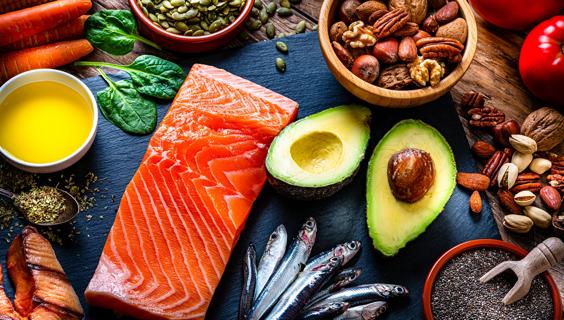
Focus on eating heart-healthy foods and consider intermittent fasting to help prevent and reduce liver inflammation

Maintaining a healthy weight, adjusting what you eat, exercising and avoiding alcohol can help improve your liver health

Diet, exercise and medications can help slow this chronic, progressive liver disease
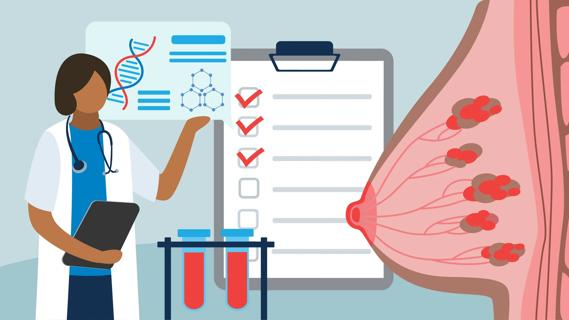
Your path lab report contains detailed information about your tumor — your care team can work with you to turn it into a care plan
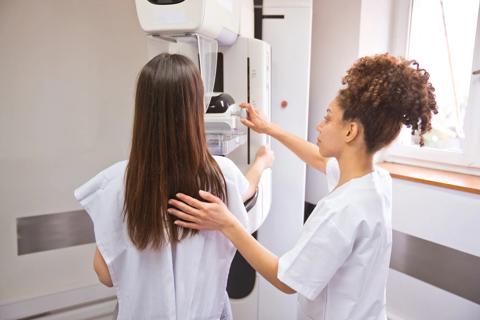
They’re different versions of the same tool, all with the goal of early detection of breast cancer

That cup of joe may help decrease inflammation and remove damaged cells in the vital organ

Managing your weight through physical activity may lower your chances of getting this common cancer

It typically starts in October and winds down in early spring, with cases at their highest in the middle of winter

Anxiety disorders, health conditions and past trauma can make driving nerve-wracking — help is available
 Search










