Locations:





 Search
A nutrient-packed diet driven by fruits and veggies can lower certain health risks

Image content: This image is available to view online.
View image online (https://assets.clevelandclinic.org/transform/c18224a4-9f73-4b27-a4e2-b9372cfca270/Vegetarian-Diet-1339047216-770x533-1_jpg)
Father and child preparing a salad in kitchen.
Since you were a kid, you were probably told that being healthy meant eating a wide variety of nutrient-packed foods. You were also likely encouraged to eat a lot of fruits and veggies, and only indulge in candy and sweets in moderation.
Advertisement
Cleveland Clinic is a non-profit academic medical center. Advertising on our site helps support our mission. We do not endorse non-Cleveland Clinic products or services. Policy
Of course, there are all sorts of healthy diets you can try. And one of the most common ones is the vegetarian diet. Registered dietitian Nickie Kaetzel, MS, RDN, LD, explains what this is — and what the benefits are.
Keeping a vegetarian diet — which some people call a vegetarian eating pattern — means you eat plant-based foods. This includes foods like:
But not all vegetarian eating habits are the same. Some vegetarian diets exclude only meat, poultry and fish, while others also exclude eggs and dairy products.
The three main types of vegetarian diets are vegan, lacto-vegetarian and lacto-ovo-vegetarian.
This diet excludes all animal products, meaning any food that comes from an animal. That category encompasses foods like beef and chicken or less obvious byproducts, such as eggs and honey. Overall, a vegan diet does not include:
You might be surprised at how many foods contain animal products. For example, certain kinds of beer contain isinglass, which is derived from fish bladders. Technically, that means this beer isn’t vegan.
This diet includes dairy products, but excludes foods like:
Advertisement
The majority of vegetarians in America fall into this category. This diet includes eggs and dairy products, but excludes:
A vegetarian diet offers many potential health benefits.
Choosing vegetarian foods to get the nutrients you need — instead of relying on animal-based food — eliminates much of the saturated fat and cholesterol found in a meat-based diet.
Kaetzel notes that a vegetarian diet can help lower your cholesterol and blood pressure levels and reduce your intake of calories. And these changes can reduce your risk of having obesity, heart disease, hypertension, diabetes and possibly cancer.
There are many non-animal sources of protein. Although it was once thought that vegetarians had to combine certain foods to get a complete protein, Kaetzel says that’s no longer the case. Foods rich in protein include:
Soy is another excellent source of protein. Examples of soy products include:
Lacto-vegetarians and lacto-ovo-vegetarians can eat dairy products rich in calcium. Calcium-rich choices for vegans include:
Good sources of non-heme iron (the type of iron found in plant foods) include:
Few foods are naturally high in vitamin D, and many of the ones that are (like salmon or trout) aren’t vegan.
That means vegans need to be more intentional about what they eat. For example, vegan sources of vitamin D include mushrooms, as well as fortified vegan milks, juices and cereals.
Vegans can also get vitamin D (also known as calciferol) by taking a vegan supplement with food. Vitamin D2 (ergocalciferol) is always vegan and some vitamin D3 is vegan from lichen.
Experts recommend adults aged 19 to 70 take 600 IU of vitamin D daily, while those over 70 years old take 800 IU. But you might require a different dose of supplementation, so be sure to check with your doctor before adding any supplements to your diet.
You can also spend 20 minutes in directed (unprotected) midday sunlight to get vitamin D.
Advertisement
But sun exposure is unreliable. The season, time of day, angle of the sun, amount of cloud coverage or smog, skin melanin content and sunscreen can all affect vitamin D synthesis. Supplements are a consistent source of vitamin D.
Because vitamin D is added to milk, vegetarians who drink milk aren’t at high risk of becoming deficient.
Vitamin B12 is the only vitamin not present in plant foods. That means vegans won’t get enough of this nutrient.
Good sources of vitamin B12 are fortified cereals, nondairy milks and vegan supplements. Nutritional yeast is another good source that has a pleasantly cheesy flavor and can be used as a cheese substitute in recipes.
Lacto-vegetarians and lacto-ovo vegetarians who eat dairy and eggs are less likely to develop a B12 deficiency.
But experts recommend that vegetarians age 50 or older take a B12 supplement. Our bodies don’t efficiently absorb dietary sources of vitamin B12 after that age. But again, as with any supplement, Kaetzel advises you to ask your doctor or dietitian about taking vitamin B12 supplements before you start.
It’s important that any vegetarian or vegan diet is balanced.
A vegetarian diet should offer the right amounts of:
Advertisement
A vegetarian diet can offer many health benefits, but because balance is so important, Kaetzel recommends meeting with a healthcare provider or a registered dietitian before starting a vegetarian diet to see what’s right for you.
Advertisement

Sign up for our Health Essentials emails for expert guidance on nutrition, fitness, sleep, skin care and more.
Learn more about our editorial process.
Advertisement
It’s possible to drop a few pounds as long as you watch what you eat
What to know about this semi-vegetarian lifestyle
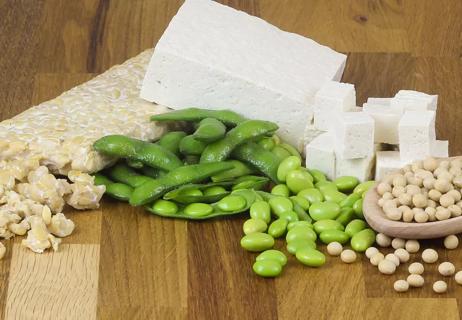
Turn to these foods for plant protein
This citrus fruit delivers vitamin C, fiber and other nutrients that can support your heart, immune system and skin
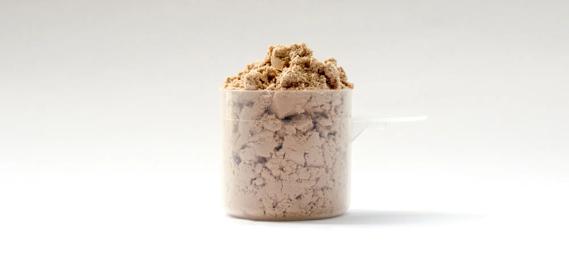
Protein is essential in your diet, but piling more onto your plate isn’t always better
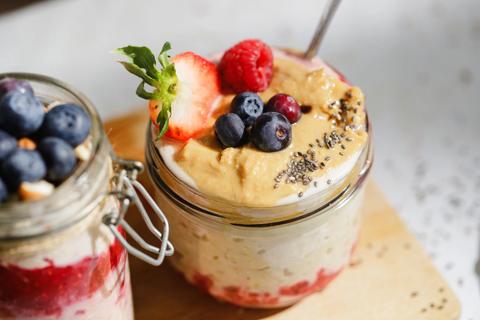
Eating about 20 to 30 grams of protein for your first meal can help you feel fuller longer and fend off cravings
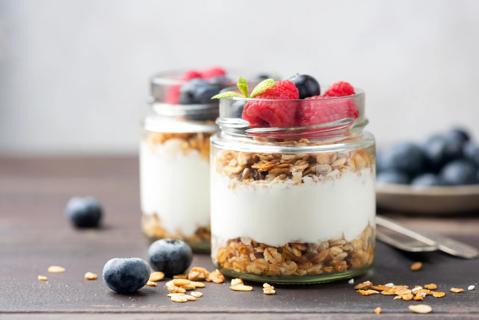
Choosing snacks with protein can help curb hunger, support muscle health and keep your energy steady between meals
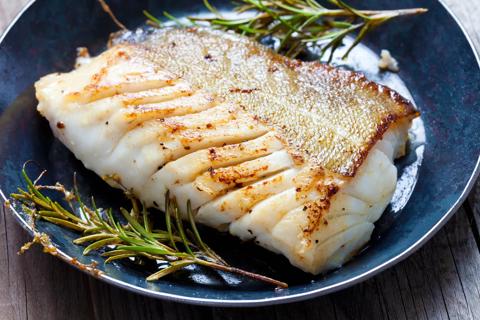
Fish packs plenty of protein, heart-healthy fats and other body-boosting nutrients into every bite

Your period may occasionally line up with someone else’s, but science suggests coincidence is responsible — not a mysterious biological connection

Most penis-enlargement products, devices and procedures deliver only modest (if any) gains

Make meals with lean proteins, non-starchy vegetables and complex carbohydrates











