Locations:





This powerful antioxidant does more than fight colds — it keeps you healthy inside and out
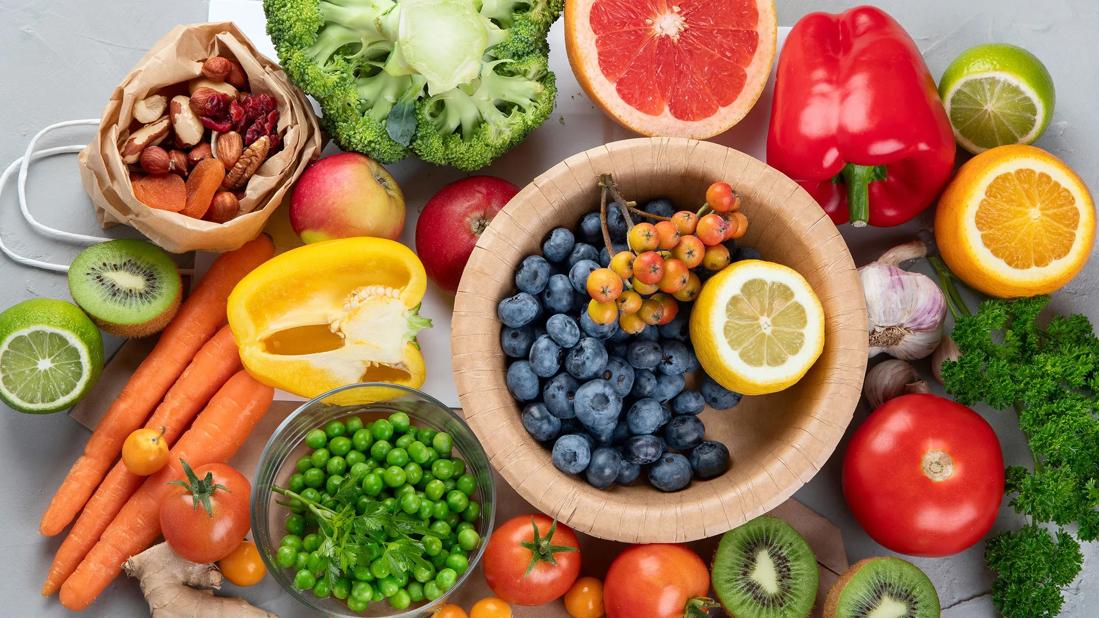
Image content: This image is available to view online.
View image online (https://assets.clevelandclinic.org/transform/5c2e5405-4381-43bc-b977-a99d991ef600/vitamin-C-foods-1270726834)
Assorted foods with vitamin C, including blueberries, broccoli, nuts and tomatoes
You’ve probably heard that vitamin C can help you bounce back from a cold. That’s debatable.
Advertisement
Cleveland Clinic is a non-profit academic medical center. Advertising on our site helps support our mission. We do not endorse non-Cleveland Clinic products or services. Policy
But there are plenty of benefits of vitamin C that we do know for sure.
Registered dietitian Devon Peart, RD, MHSc, breaks down what vitamin C does, why it matters and how to make sure you’re getting enough.
Vitamin C, or ascorbic acid, is a water-soluble vitamin that plays a big role in your health.
“It’s what’s known as an ‘essential nutrient,’ meaning that your body doesn’t make it,” Peart says. “You have to get it from your diet.”
Oranges and other citrus fruits are perhaps the best-known sources of vitamin C, but they’re far from the only ones. You’ll also find high levels of vitamin C in:
Video content: This video is available to watch online.
View video online (https://cdnapisec.kaltura.com/p/2207941/sp/220794100/playManifest/entryId/1_wr2t3g8h/flavorId/1_5f3sgelj/format/url/protocol/https/a.mp4)
Vitamin C may as well stand for vitamin critical. It’s a powerhouse nutrient that benefits your whole body — inside and out.
Let’s take a closer look at the benefits of vitamin C.
Perhaps vitamin C’s biggest claim to fame is its reputation as a boon for your immune system.
We know that regularly consuming vitamin C may be a useful immunity-booster for people who exercise intensely, live in cold environments or smoke.
Some people also swear by vitamin C to help protect them from catching the common cold. And some studies suggest that it can help lessen the severity and duration of colds and the flu and potentially reduce your risk of further complications.
Advertisement
Peart recommends this approach: “Ordinarily, you can get your vitamin C from food sources. If you’re feeling run-down or like you might be getting a cold, consider taking a vitamin C supplement until you’re feeling better.”
Vitamin C is one of the most important antioxidants in your diet. That means it helps neutralize free radicals — harmful molecules that can damage your cells and increase your risk of chronic disease.
“Vitamin C is a powerful antioxidant that protects your cells from damage that contributes to conditions like cancer, Alzheimer’s disease and arthritis,” Peart says.
Some studies suggest vitamin C may help prevent and treat heart disease, including stroke. But the results are conflicting. So, researchers still can’t say for certain how effective it might be.
Vitamin C is also a teammate for non-heme iron — the kind found in plant-based foods, like spinach and beans — which your body doesn’t absorb very well on its own.
“Consuming vitamin C in the same meal as iron-rich plant foods boosts the bioavailability of the iron, meaning you absorb more of it,” Peart explains.
For example, add strawberries or orange slices to a spinach salad to help your body make the most of the iron on your plate.
Vitamin C helps your body produce collagen, which is essential for skin repair and wound healing.
“Collagen is a protein that’s key to properly healing wounds, including cuts, scrapes and surgical incisions,” Peart shares.
Vitamin C is a popular ingredient in skin care products, like serums and facial creams. And for good reason.
Because vitamin C helps boost collagen production, it can also help keep your skin firmer and more even in tone. Using vitamin C-enhanced products can:
Scientists are exploring the role high doses of vitamin C might play in treating some types of cancer.
“There’s some promising evidence from clinical trials using vitamin C as an adjunct to conventional cancer treatment,” Peart notes.
That means it could play a role in — but not replace — treatment. But more research is needed. Talk with your cancer care team before beginning any kind of supplementation routine.
“Your body doesn’t store vitamin C,” Peart explains. “So, it’s important to get it regularly through what you eat.”
Here are the daily recommendations (in milligrams) from the U.S. National Institutes of Health (NIH):
Advertisement
If you smoke, aim for another 35 mg per day. Smoking depletes vitamin C faster.
What about vitamin C supplements? Should you take them?
It’s probably not necessary. Most people who live in North America get enough vitamin C in their daily diet.
Vitamin C from food is generally safe, even in high amounts.
“You can’t get too much vitamin C from food sources,” Peart says. “Your body uses what it needs and gets rid of the rest.”
But you can run into trouble taking high dosages of vitamin C supplements. The upper limit of vitamin C supplements is 2,000 mg per day. At doses higher than that, you may experience side effects like:
“At very high levels of supplementation, you’re putting an extra burden on your kidneys,” she warns. “This can lead to the formation of kidney stones and, in extreme cases, kidney failure.”
Vitamin C is more than a cold-season staple — it’s a daily must-have. It supports immune health, aids in healing, helps your body absorb iron and protects against cell damage.
Advertisement
“If you eat plenty of fruits and vegetables every day, you’ll likely get the vitamin C your body needs,” Peart reminds us.
But if you’re unsure — or if you smoke or don’t eat many plant-based foods — talk with a healthcare provider about whether a supplement might be right for you.
Advertisement

Sign up for our Health Essentials emails for expert guidance on nutrition, fitness, sleep, skin care and more.
Learn more about our editorial process.
Advertisement
Move over, oranges! You can also get vitamin C from strawberries, kiwi and green veggies

This popular ingredient isn’t just for citrus fruits anymore

This famously funky-smelling fruit is packed with fiber, vitamins and minerals

This South Pacific plant is often promoted for stress relief and relaxation, but there are a few things you should know before trying it

There’s limited research on whether the supplement can help you snooze — adopting proven sleep habits may be a better place to start
You can get a good amount of protein from eating lentils, beans, tofu, grains, seeds and nuts
This citrus fruit delivers vitamin C, fiber and other nutrients that can support your heart, immune system and skin
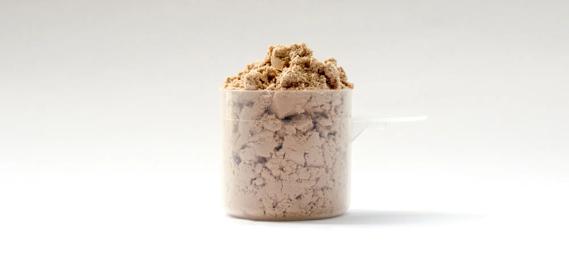
Protein is essential in your diet, but piling more onto your plate isn’t always better

Rapid weight loss can cause loose skin, facial volume loss and body contour changes

Swallowing too much air, certain foods and drinks, and digestive conditions can all make you belch more

From poor hand hygiene and ventilation issues to contaminated food, many factors can make infectious diseases spread quickly
 Search










